Celtic animal symbolism runs like a living thread through ancient myths, stone carvings, jewelry, and folklore. To the Celts, animals weren’t just decoration—they were messengers, protectors, and guides from the spirit world. Understanding these hidden totems and their powerful meanings gives you a window into how the Celts saw courage, wisdom, loyalty, and the mystery of life and death.
Below, you’ll find the deeper stories behind key Celtic animal symbols, how they show up in modern life, and how you can work with their energies yourself.
Why Animals Mattered So Much to the Celts
For the ancient Celts, nature was sacred and alive. Animals were:
- Embodiments of divine qualities (bravery, cunning, protection)
- Guides between worlds (especially underworld/Otherworld messengers)
- Clan or tribal emblems
- Protective symbols on weapons, jewelry, and monuments
Celtic art and mythology reveal a world where human and animal realms constantly overlap. Warriors, druids, and healers all looked to animals for omens and spiritual lessons.
The Stag: Nobility, Thresholds, and the Otherworld
The stag is one of the most powerful figures in Celtic animal symbolism. Often linked with the forest god Cernunnos, the horned god, the stag represents:
- Sovereignty and nobility
- Life, death, and seasonal cycles
- The threshold between this world and the Otherworld
In stories, white stags lead heroes off the familiar path into enchanted realms where destiny changes. Antlers, which shed and regrow, embody renewal and transformation.
How to work with stag energy today
- Spend time in forests, consciously observing silence and presence.
- Reflect on where you’re being called out of your comfort zone.
- Use stag imagery when seeking spiritual growth and courage to change.
The Boar: Ferocity, Honor, and Unyielding Courage
Celts revered the wild boar as a symbol of warrior strength. In battle, boar images were carved on helmets and shields to invoke:
- Ferocity and fearlessness
- Protection in conflict, physical or emotional
- Stubborn determination and honor
Feasting on boar in myth often marks a sacred rite or royal celebration, tying this animal to abundance and the warrior’s just reward.
Boar lessons in modern life
When you need to stand your ground, confront injustice, or complete a tough challenge, boar energy speaks to unwavering will and the courage to move forward, even if the path is rough.
The Bear: Protection, Healing, and Deep Intuition
While less prominent than the stag or boar, the bear appears in Celtic regions as a powerful guardian. Its symbolism includes:
- Fierce protection of family and territory
- Physical and emotional healing
- Introspective power and intuition (linked to winter hibernation)
Bear caves and dens echo the womb of the earth, reinforcing associations with rebirth and emergence from darkness with renewed strength.
Connecting with bear symbolism
- Focus on creating emotional and physical “safe space” in your life.
- Practice going inward: journaling, meditation, silent retreats.
- Invoke bear imagery when you need to protect your energy or loved ones.
The Wolf and Hound: Loyalty, Guardianship, and the Hunt
Wolves and hunting dogs appear frequently in Celtic myths. Although wolves later acquired negative connotations, for the Celts they held complex, powerful meanings:
- Guardians of thresholds and sacred sites
- Trackers and hunters—following truth and prey without fail
- Pack loyalty, clan bonds, and teamwork
Hounds specifically were status symbols among Celtic nobility. Famous mythic hounds, like those in Irish legends, embody devotion and bravery unto death.
Bringing wolf/hound energy into your life
- Honor your “pack”: family, friends, or community.
- Stay true to your path, even when distractions pull you aside.
- Work on being both a strong individual and a reliable ally.
The Horse: Freedom, Power, and Sovereignty
The horse is central in Celtic culture and religion. The goddess Epona—patron of horses, fertility, and travelers—was widely honored across Celtic Europe (source: British Museum).
Symbolically, horses represent:
- Sovereignty and royal authority
- Speed, stamina, and freedom
- Safe passage between worlds and across dangerous terrain
War chariots, trade, migration—horses were at the heart of Celtic mobility and power. Their presence in burial mounds underlines their role as companions on the journey beyond death.
Horse symbolism in daily life
Turn to horse imagery when you need:
- Motivation to move forward quickly but wisely
- Help breaking out of limiting beliefs or situations
- Confidence to claim your own authority and independence
The Salmon: Ancient Wisdom and Inspiration
Among Celtic animal symbolism, the salmon is a quiet but profound figure. In Irish myth, the “Salmon of Knowledge” lives in a sacred pool, eating magical hazelnuts that fall into its waters. Those who taste this salmon gain:
- Deep wisdom and insight
- Poetic inspiration and creative fire
- Clarity of mind and memory
The salmon’s journey upstream echoes the soul’s journey against the current of ignorance toward enlightenment.
Using salmon energy
- Engage in regular learning, research, and study.
- Create space for creative work: writing, music, art, or problem-solving.
- Meditate on the idea that wisdom often requires swimming against the current.
The Raven and Crow: Prophecy, Mystery, and Transformation
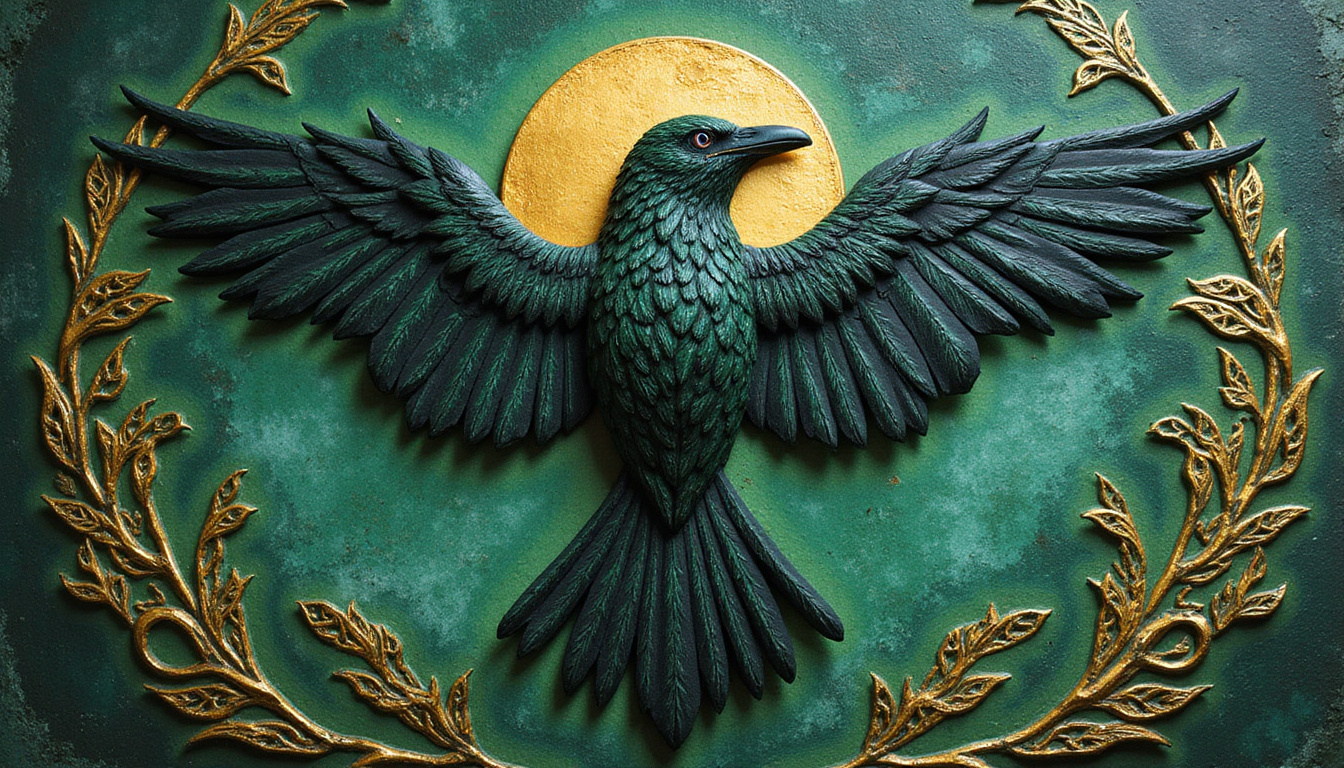
Ravens and crows circle the edges of Celtic tales, often as messengers of war or fate. Associated with goddesses like the Morrígan, they symbolize:
- Prophecy and second sight
- Death, transformation, and the battlefield
- Intelligence and adaptability
These birds feed on what is dead and discarded, turning decay into sustenance—a powerful metaphor for transforming endings into new beginnings.
Practical raven/crow symbolism
- Pay attention to “signs” and patterns in your life.
- Face endings or losses as potential openings for transformation.
- Trust your intelligence and ability to adapt to changing situations.
The Serpent: Earth Wisdom and Cycles of Renewal
Although Christian influence later turned the snake into a purely negative figure, in earlier Celtic contexts the serpent carried more nuanced meanings:
- Earth energy and hidden knowledge
- Healing and medicinal wisdom
- Life, death, and rebirth (through the shedding of skin)
Serpent-like patterns (spirals, interlaced knots) in Celtic art mirror the twisting path of spiritual growth and the ever-returning cycles of nature.
Working with serpent symbolism
- Explore healing practices—herbalism, bodywork, or energy work.
- Let go of outdated identities or habits, like a snake shedding skin.
- Remember that spiritual growth is rarely linear; it coils and circles back.
The Bull: Strength, Fertility, and Abundance
The bull appears in Celtic mythology as a powerful, sometimes dangerous force. In legends like the Cattle Raid of Cooley, cattle—and especially impressive bulls—are tied to:
- Physical strength and virility
- Wealth, land, and material abundance
- Status and competition between leaders
The bull’s raw power demanded respect and careful handling, much like any strong life force.
Bull lessons for today
- Channel strong emotions into constructive action.
- Recognize and respect your own power and capabilities.
- Work on building stable, material foundations for yourself and others.
The Hare: Moon Magic, Swiftness, and Shape-Shifting
The hare is a subtle but potent figure in Celtic animal symbolism, often linked with lunar energies and feminine power. Its meanings include:
- Speed and agility, both physical and mental
- Shape-shifting and liminality (moving between seen and unseen)
- Fertility, intuition, and subtle magic
In some tales, hares are witches or supernatural beings in disguise, suggesting the presence of the otherworldly just beneath the surface of the everyday.
Incorporating hare symbolism
- Trust your quick instincts and sudden insights.
- Stay light on your feet—able to change direction fast when needed.
- Honor your intuitive or “witchy” side without dismissing it as irrational.
How to Work With Celtic Animal Totems in Your Own Life
You don’t need Celtic ancestry to connect meaningfully with these symbols. You can approach them with respect, curiosity, and a willingness to learn. Here are practical ways to begin:
- Notice which animals you’re drawn to. Look at myths, art, or even recurring encounters in daily life. Attraction can signal a totem or current life lesson.
- Study the stories. Read the myths and folklore tied to your chosen animal; their narrative roles deepen the symbolism.
- Create a small altar or focal space. Include images, carvings, or symbols of the animal, plus natural items like stones, feathers, or leaves.
- Journal with questions. Ask, “What is the stag/boar/raven teaching me right now?” and free-write.
- Act in alignment. If you’re working with horse energy, for example, take concrete steps toward freedom—changing a job, setting boundaries, or traveling.
Over time, you’ll develop a personal relationship with these energies beyond textbook definitions.
FAQ About Celtic Animal Symbolism
1. What is Celtic animal symbolism in simple terms?
Celtic animal symbolism is the system of spiritual meanings the ancient Celts associated with different animals—courage for the boar, wisdom for the salmon, sovereignty for the horse, and so on. These meanings show up in myths, art, and rituals, and can still be used today for guidance and reflection.
2. Which Celtic animal totems are most powerful?
It depends on what you need. Commonly recognized powerful Celtic animal totems include the stag (spiritual transformation), the boar (warrior courage), the horse (freedom and power), the raven (prophecy and transformation), and the bear (protection and healing). An animal becomes “powerful” when its symbolism resonates with your life.
3. How can I find my Celtic spirit animal or totem?
Explore Celtic animal meanings, then notice which creatures repeatedly appear in your dreams, meditation, art, or daily life. Study their roles in Celtic lore, reflect on how their traits mirror your own challenges or gifts, and choose to consciously work with one or two. Over time, your main Celtic totem animal will usually become clear through repeated synchronicities and inner recognition.
Celtic animal symbolism offers far more than pretty designs on jewelry or tattoos. It’s a living language of courage, wisdom, protection, and transformation—anchored in the natural world and refined through centuries of story and ritual. When you explore these hidden totems, you’re not only learning about the Celts; you’re learning about yourself.
If you feel drawn to this path, choose one Celtic animal that speaks to you and commit to working with its energy for the next month. Read its myths, meditate with its image, and act in alignment with its qualities. By inviting these ancient allies into your life, you open the door to deeper intuition, grounded strength, and a richer sense of connection to the world around you.
Animals have inspired symbols and beliefs across cultures for centuries. Discover how these traditions connect with psychology, spirituality, and human consciousness at SpiritualMindScience.com.