Wedding Superstitions Every Couple Should Know Before Saying “I Do”
Whether you’re planning a grand ballroom celebration or an intimate backyard ceremony, wedding superstitions have a way of sneaking into the conversation. Maybe your grandmother insists you wear a family heirloom, or your best friend warns you not to see each other before the ceremony. Even if you don’t consider yourself superstitious, understanding these traditions can be a fun—and sometimes meaningful—part of wedding planning.
Below, you’ll find the most common wedding superstitions, where they came from, and how modern couples are choosing to embrace, adapt, or ignore them.
Why Wedding Superstitions Still Matter Today
Wedding superstitions have roots in folklore, religion, and ancient customs from around the world. Historically, they were meant to:
- Protect the couple from bad luck or evil spirits
- Ensure fertility, prosperity, and long-lasting love
- Signal family status or cultural identity
Today, most couples don’t take wedding superstitions literally, but they can still:
- Add sentimental value and a sense of continuity with past generations
- Offer fun rituals that ease pre-wedding nerves
- Provide creative inspiration for decor, attire, and timelines
Think of wedding superstitions as a menu of traditions: you can keep what resonates, modernize what feels outdated, and leave the rest.
“Something Old, Something New”: The Most Famous Wedding Rhyme
One of the best-known wedding superstitions comes from a 19th-century English rhyme:
“Something old, something new,
something borrowed, something blue,
and a sixpence in her shoe.”
Each item carries symbolic meaning:
- Something old – Represents continuity with the bride’s family and past. This could be a vintage veil, a piece of jewelry, or a handkerchief from a parent or grandparent.
- Something new – Symbolizes optimism and the new life you’re building together. Your dress, suit, or even your wedding bands can fill this role.
- Something borrowed – Traditionally, this should come from a happily married couple, passing their good fortune on to you. Borrowed earrings, a veil, or a tie are common.
- Something blue – Historically associated with fidelity, purity, and love. Brides might choose blue shoes, a garter, a hairpin, or embroidery inside the gown.
- Sixpence in her shoe – A British coin placed in the bride’s shoe to attract prosperity. Many couples now swap this for a meaningful coin from their own country.
Modern twist: Couples of all genders use this superstition as a creative challenge, weaving these elements into outfits, bouquets, or décor.
The “No-Peeking” Rule: Seeing Each Other Before the Ceremony
One of the most persistent wedding superstitions is the idea that it’s bad luck for the couple to see each other before the ceremony. The original reason is surprisingly unromantic.
The Historical Origin
In traditional arranged marriages, couples didn’t see each other until the ceremony to prevent one from backing out if they weren’t attracted to the other. The veil and the “no seeing the bride” rule reduced the risk of cold feet and family conflict.
How Couples Handle It Today
- Following the superstition: Some prefer the drama of a first look at the aisle and enjoy the old-fashioned romanticism.
- Doing a “first look” photo: Others meet privately before the ceremony for photos and a calm moment together. This can reduce nerves and free up time later in the day.
- Compromise ideas: Talk on the phone, hold hands around a doorframe, or exchange letters without seeing each other.
Ultimately, it’s about the emotional experience you want, not the superstition itself.
The Wedding Dress: Color, Style, and Luck
Wedding superstitions around attire go far beyond “don’t spill red wine on the dress.”
White Dresses and Their Meaning
Many people assume white symbolizes purity, but the trend only became widespread after Queen Victoria wore a white gown in 1840. Before that, brides wore their best dress in any color. Still, several superstitions grew around dress color:
- White or ivory – Considered lucky, symbolizing joy and a fresh start.
- Red – In many Asian cultures, red is a lucky color representing prosperity and happiness; it’s a favored wedding color in China and India.
- Black – Historically linked to mourning in Western cultures, but modern brides and grooms are reclaiming black attire as chic, bold, and deeply personal.
Wearing the Dress Before the Wedding
Some believe it’s unlucky for the bride to wear the full outfit (dress, veil, shoes) before the actual day. In reality, alteration appointments and fittings make this impossible to avoid. Many couples treat this as superstition only and focus on practical needs instead.
Veils, Rings, and Other Symbolic Accessories
Accessories carry many of the most enduring wedding superstitions.
The Veil
- Originally meant to hide the bride from evil spirits—or from the groom in arranged marriages.
- In religious ceremonies, it can symbolize humility and reverence.
- Modern meanings often focus on mystery, romance, or simply style.
Some couples ditch the veil entirely in favor of flower crowns, hairpins, or nothing at all.
Wedding Rings
Wedding superstitions say you should:
- Wear the ring on the fourth finger of the left hand, believed by the Romans to have a vein (the “vena amoris”) connected to the heart.
- Avoid removing the ring shortly after the wedding to ward off bad luck in the early days of marriage.
While the “vein of love” isn’t anatomically accurate, the symbolism persists (source: American College of Cardiology).
Weather and Wedding Day Omens
From rain to sunshine, the sky on your wedding day has inspired countless wedding superstitions.
Rain on Your Wedding Day
You’ll often hear, “Rain on your wedding day is good luck!” The roots of this idea vary:
- In some traditions, rain symbolizes fertility and cleansing.
- It can be interpreted as washing away the past and starting fresh.
Practically speaking, rain can be inconvenient, but couples who prepare with tents, umbrellas, and backup indoor spots often end up with romantic photos and memorable stories.
Other Weather Beliefs
- Sunshine – Seen as a blessing and a sign of a bright future.
- Wind or stormy skies – Sometimes thought to signify a passionate marriage or challenges ahead.
Since no one can control the weather, most couples choose to see whatever comes as part of their unique story.
Days, Dates, and Times: When (Not) to Get Married
Wedding superstitions often influence the choice of date, even for non-religious couples.
Lucky and Unlucky Days
Traditional beliefs vary by culture:
- Some Western superstitions once warned against Friday weddings, particularly Friday the 13th, as unlucky.
- In contrast, Saturday is the most popular day for modern weddings, despite no clear historical “luck” attached to it.
- In many East Asian cultures, numerology plays a big role—dates with the number 8 (linked to prosperity) are especially sought after.
Mercury Retrograde and Modern Astrology
A more recent belief is that getting married during Mercury retrograde (a planetary alignment in astrology) might contribute to communication issues. While not rooted in traditional folklore, this has become a modern superstition some couples consider when picking a date.
Gifts, Knives, and Breaking Glass: Symbolic Acts and Taboos
Wedding superstitions extend into the gifts you give, the items you use, and even what gets broken.
The Gift of Knives
In many traditions, giving a knife set as a wedding gift is believed to “cut” the relationship. If you do receive knives:
- Some couples “neutralize” this by giving the giver a small coin in return, transforming the gift into a “purchase” rather than a bad-omen present.
Breaking Glass
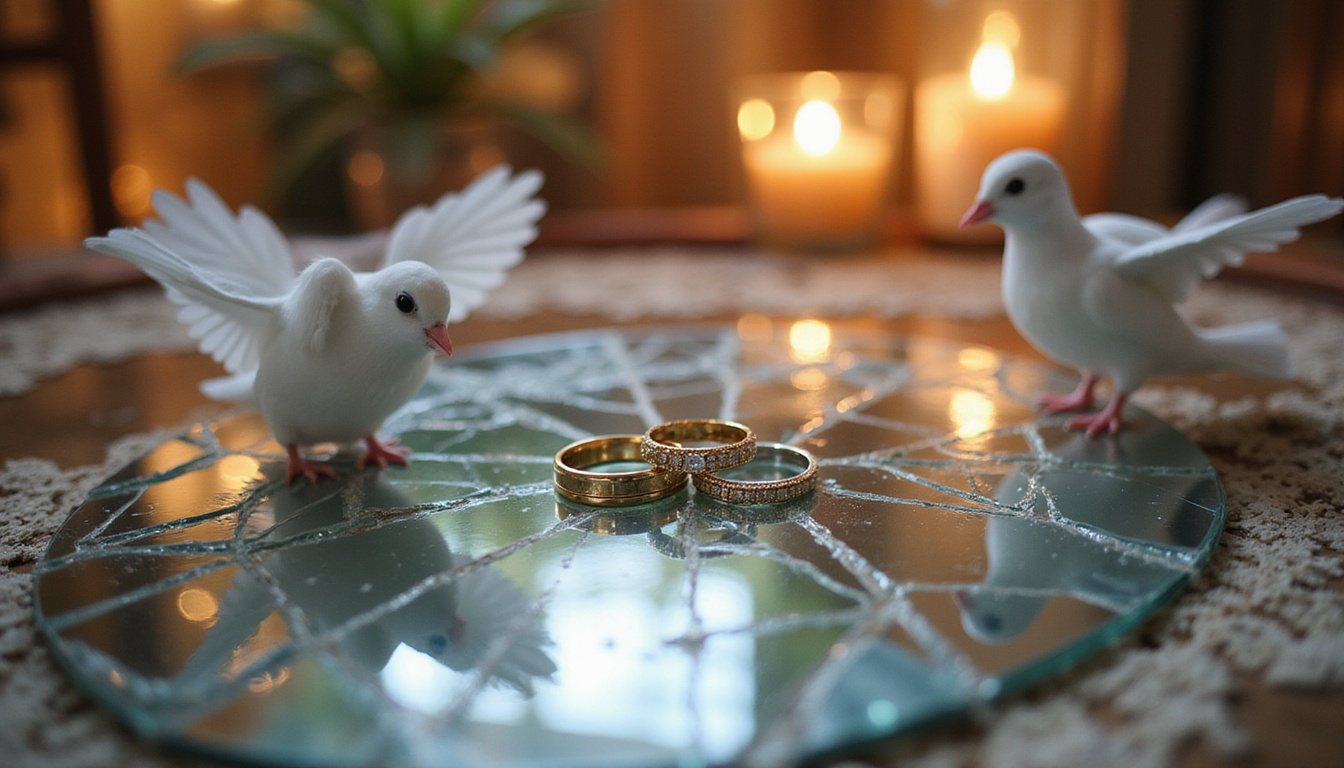
- In Jewish weddings, the groom (and sometimes the bride) breaks a glass underfoot, symbolizing the destruction of the Temple in Jerusalem and the fragility of joy.
- In some cultures, breaking porcelain or glass plates before the wedding is believed to ward off evil spirits and ensure good luck.
Unlike other wedding superstitions meant to avoid breakage, these rituals use breaking as a meaningful symbol.
Food, Cake, and Reception Traditions
Your menu and dessert table carry their own set of long-standing beliefs.
Wedding Cake Traditions
Common wedding superstitions around cake include:
- Saving the top tier – Couples freeze the top layer of their wedding cake to eat on their first anniversary (or at a future christening) as a symbol of continuity and good fortune.
- Feeding each other cake – Gentle, respectful feeding symbolizes mutual care. Smashing cake in each other’s faces can be playful, but some see it as inviting disrespect or poor communication into the marriage.
Other Food Beliefs
- Sugar and sweets – Serving sweet foods is thought to bring a “sweet” married life.
- Rice, confetti, or flower petals – Tossed at the couple to symbolize fertility, abundance, and showering the pair with good wishes.
Regional and Cultural Wedding Superstitions
Around the world, wedding superstitions differ widely, offering creative ideas you can incorporate regardless of origin.
- Greece: Placing a sugar cube in the bride’s glove is believed to sweeten the marriage.
- Italy: Brides might tear their veils slightly to invite good luck; guests bring gifts in odd numbers, thought to be lucky and indivisible like the couple’s bond.
- India: Henna (mehndi) on the bride’s hands and feet is believed to bring good luck and prosperity; deeper color is sometimes said to signify stronger love or a supportive mother-in-law.
- Nordic countries: Historically, brides carried small charms of iron or other metals in their bouquets or clothing to ward off evil spirits.
You don’t need cultural ties to borrow these ideas respectfully—just be mindful, give credit, and understand their significance.
How to Decide Which Wedding Superstitions to Follow
With so many wedding superstitions out there, it’s impossible (and unnecessary) to honor them all. Instead, use them intentionally.
Ask yourselves:
- Does this superstition align with our values?
- Will it add meaning or just stress?
- Is someone we love deeply attached to this tradition?
- Can we adapt it to fit our personality and story?
You might choose to:
- Follow a few beloved traditions (like “something old, something new”)
- Create modern versions (e.g., both partners wearing “something blue”)
- Politely decline rituals that feel outdated, uncomfortable, or at odds with your beliefs
The best wedding day luck comes from feeling present, supported, and true to yourselves.
FAQ About Wedding Superstitions
1. Are wedding superstitions real, or just old myths?
Wedding superstitions are mostly cultural myths and symbolic traditions rather than proven sources of good or bad luck. However, they can have real emotional power and meaning if you or your family deeply value them.
2. Do I have to follow traditional wedding superstitions for a happy marriage?
No. A strong marriage depends on communication, respect, and shared values—not on specific wedding superstitions. Many couples ignore most of them and have long, happy marriages.
3. Can we mix different cultures’ wedding superstitions in one ceremony?
Yes, as long as you’re respectful and understand the meaning behind each ritual. Many modern weddings blend multiple traditions—like a Western white dress with an Indian mehndi ceremony or a Jewish glass-breaking alongside a modern “first look.”
Make Your Own Luck: Crafting a Wedding That Feels Like You
Wedding superstitions can be charming, funny, and deeply moving—but they’re not rules you must obey. Your wedding is a rare opportunity to shape a day that tells your story. Choose the traditions that resonate, modernize the ones that need an update, and forget the rest without guilt.
If you’re in the planning phase now, sit down together and decide which wedding superstitions and rituals you want to embrace. Turn them into intentional, personalized moments that add meaning to your ceremony and reception. In doing so, you’re not just borrowing good luck; you’re deliberately building the foundation of a marriage that feels authentic, joyful, and uniquely yours.
Cultural superstitions have shaped traditions and beliefs for generations. Explore the psychology, cultural history, and science behind these fascinating practices at SpiritualMindScience.com.