Animal Iconography Uncovered: How Wildlife Symbols Boost Brand Power
Animal iconography has shaped stories, religions, and identities for thousands of years—and today, it’s one of the most powerful tools in modern branding. From the strength of a roaring lion to the agility of a leaping cat, wildlife symbols tap into deep-seated human emotions and cultural meanings that can instantly elevate a brand.
In a cluttered digital world, the right animal mark can cut through the noise, anchor a compelling brand story, and turn casual buyers into loyal advocates.
What Is Animal Iconography in Branding?
In a branding context, animal iconography is the deliberate use of animals—real or stylized—as visual symbols to communicate a brand’s personality, values, and promise. It includes:
- Logos and mascots (e.g., a bird silhouette or a cartoon panda)
- Patterned designs inspired by animal forms (scales, wings, claws)
- Subtle references in typography, packaging, or product shapes
Because animals carry powerful associations—strength, speed, wisdom, loyalty—they become “visual shortcuts” that help audiences understand who you are and what you stand for, often in a single glance.
Why Animal Icons Work: The Psychology Behind Wildlife Symbols
Animal symbols work because they plug into universal psychological patterns:
-
Instant recognition
The human brain is wired to recognize animals quickly. Our ancestors had to spot potential threats or food sources fast; we still respond to these shapes immediately. -
Built-in emotional meaning
A tiger suggests power and ferocity. A dove suggests peace. A fox suggests cleverness. The emotional resonance is pre-loaded; your brand doesn’t have to build it from scratch. -
Mythology and cultural layers
Animals are central to myths, religions, and folklore. They carry archetypal meanings (think “spirit animals” or zodiac signs) that make symbols feel deeper and more memorable. -
Anthropomorphism and relatability
When we attribute human traits to animals, they become characters, not just images. Mascots like geckos, owls, or bears feel like approachable personalities, not corporate logos.
Neuroscience research shows that emotionally charged imagery enhances recall and decision-making (source: Harvard Business Review). Animal iconography, when used well, is a built-in emotion trigger.
Common Animal Archetypes—and What They Signal About Your Brand
To harness animal iconography effectively, you need to understand common archetypes and how audiences interpret them.
Predators: Power, Leadership, and Elite Performance
- Lions & Tigers – Authority, courage, dominance, royalty
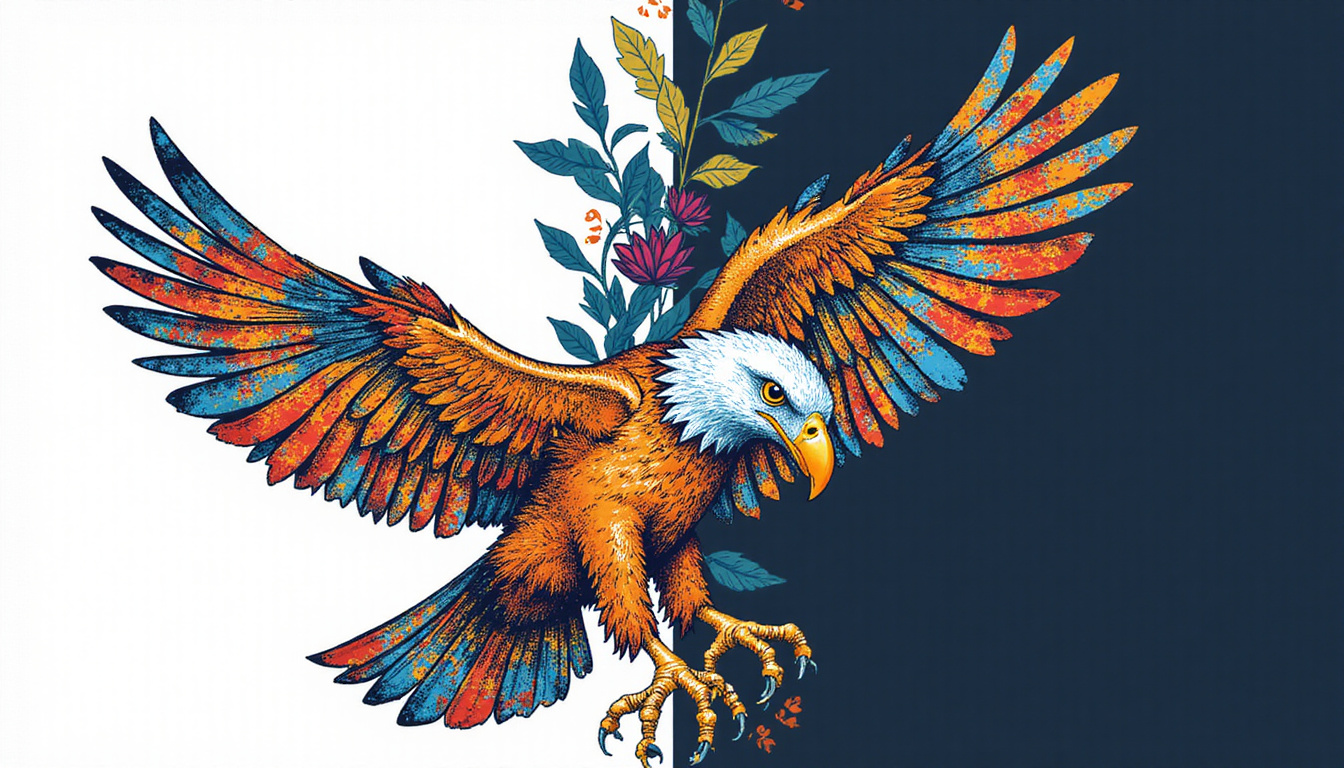
- Eagles & Hawks – Vision, precision, superiority, patriotism (in some cultures)
- Wolves – Pack leadership, loyalty, strategic cooperation
Brands use predatory animals when they want to project power, high performance, or top-tier positioning. This works especially well in:
- Sports and athletics
- Finance and investment
- Luxury goods and automotive
Prey Animals: Trust, Approachability, and Care
- Deer & Gazelles – Grace, sensitivity, gentleness
- Rabbits – Softness, fertility, abundance, playfulness
- Sheep & Cows – Nurturance, comfort, sustenance
These animals soften a brand’s image and can be a strong fit for:
- Children’s products
- Wellness and mental health brands
- Food and beverage with a “wholesome” angle
Birds, Insects, and Small Creatures: Agility and Innovation
- Hummingbirds – Agility, high energy, joy
- Bees – Community, hard work, productivity
- Butterflies – Transformation, renewal, beauty
Tech startups, creative agencies, and sustainability-focused brands often gravitate toward these animals to suggest:
- Innovation and speed
- Collaboration and community
- Change and adaptability
Aquatic Life: Depth, Calm, and Exploration
- Whales & Dolphins – Intelligence, communication, depth
- Fish – Abundance, flow, spirituality (in some traditions)
- Turtles – Longevity, patience, wisdom
Ideal for:
- Wellness and mindfulness brands
- Travel and exploration companies
- Environmental and conservation initiatives
How Animal Iconography Boosts Brand Power
When chosen and executed thoughtfully, animal iconography can transform how a brand is perceived and remembered.
1. Stronger Brand Recognition
Animal-based logos and mascots are often more distinctive than abstract marks. A stylized fox or owl is simply easier to recall than a generic geometric shape.
This pays off in:
- Faster recall in crowded marketplaces
- Better performance in small spaces (app icons, social avatars)
- Higher visual consistency across platforms
2. Clearer Storytelling and Positioning
A wildlife symbol can anchor your brand narrative. For example:
- A bee supports a story about collaboration and community.
- A panther supports a story about stealth and elite performance.
- A whale supports a story about depth and emotional intelligence.
This makes it easier to align visuals, copy, and customer experience around a central idea, giving your brand a clear identity.
3. Emotional Differentiation
In categories where products are similar, emotion becomes the main differentiator. An animal icon can quickly convey:
- Reassurance (owl, elephant, dog)
- Excitement (cheetah, falcon, stallion)
- Nurturing (penguin, kangaroo, bear)
By tying your brand to a specific emotion via animal iconography, you stand out in otherwise commoditized markets.
4. Versatile Brand Assets
Animal symbols are adaptable. One creature can power a wide ecosystem of brand expressions:
- Static logo mark
- Animated mascot in videos
- Sticker packs, GIFs, and social content
- Merchandise and packaging patterns
This versatility provides consistency without monotony—a key advantage in omnichannel marketing.
Choosing the Right Animal for Your Brand
Not every animal suits every brand. To choose wisely, balance meaning, audience perception, and differentiation.
Step 1: Define Your Core Brand Traits
Start with 3–5 traits you want to be known for (e.g., “bold, precise, compassionate, innovative, playful”).
Then ask: Which animals embody these traits most clearly, across cultures?
Step 2: Consider Cultural Nuances
Animal meanings vary. For example:
- Owls – Wisdom in Western cultures; sometimes associated with ill omens in others.
- Snakes – Transformation and healing in some contexts; danger and deceit in others.
If you operate globally or in specific cultural regions, validate your shortlist with local insights.
Step 3: Study Your Competitive Landscape
Audit competitors:
- Are there dominant animal themes already?
- Can you stand apart while staying relevant?
If the category is saturated with big cats, for example, an agile bird or resilient insect might be a more original choice.
Step 4: Check for Longevity
Avoid trends that will date quickly. Ask:
- Will this animal still feel relevant in 10 years?
- Can it evolve visually (e.g., modernized, simplified) without losing recognition?
Look for timeless associations rather than viral fads.
Designing Animal Icons That Actually Work
Using animal iconography effectively isn’t just about the creature you pick—it’s about how it’s drawn, styled, and applied.
Prioritize Simplicity and Scalability
Your icon should be recognizable:
- In small sizes (favicons, app icons, social avatars)
- In one color or reversed out
- Without intricate textures or tiny details
Well-known animal logos succeed because they distill complex shapes into simple, bold forms.
Match Style to Brand Personality
An eagle can look:
- Fierce and angular (for a high-performance sports brand)
- Soft and rounded (for a family-oriented institution)
Decide where you sit on axes like:
- Sharp vs. soft
- Realistic vs. abstract
- Serious vs. playful
Then ensure your animal iconography aligns with that stylistic direction.
Use Motion and Posture Strategically
The animal’s pose communicates as much as its species:
- Forward movement – Progress, ambition
- Guarding stance – Protection, security
- Leaping or flying up – Growth, aspiration
- Curled or nesting posture – Care, safety
Consider how posture reinforces your positioning narrative.
Real-World Uses of Animal Iconography Across Industries
Technology and Digital Products
Tech brands often use:
- Fast animals (cheetahs, falcons) to suggest speed
- Intelligent animals (owls, dolphins) to suggest smart solutions
- Social creatures (bees, ants) for collaboration platforms
Animal icons here help humanize otherwise abstract digital services.
Fashion and Lifestyle Brands
Fashion houses and lifestyle labels rely on animals to embody:
- Luxury (horses, big cats, eagles)
- Craft and heritage (stags, foxes, hounds)
- Edge and rebellion (snakes, ravens)
Patterns, embroidery, and jewelry often extend the core symbol, making the animal a lifestyle statement.
Food, Beverage, and Hospitality
Here, animal iconography can signal:
- Origin (regional fauna)
- Ethos (free-range, sustainable, wild-caught)
- Mood (playful penguin vs. majestic stag)
It also makes packaging more memorable on crowded shelves.
Nonprofits and Environmental Brands
Animal icons are a natural fit for organizations tied to:
- Conservation (endangered species as emblems)
- Education and research (owls, whales, elephants)
- Community support (dogs, bears, dolphins)
They can symbolize the cause directly or represent the values driving the mission.
Common Mistakes to Avoid with Animal Iconography
To get the full brand power boost, watch out for these pitfalls:
-
Overused clichés
If your category is flooded with similar animals, your logo may vanish in the crowd. -
Cultural misalignment
Choosing animals with negative or conflicting meanings for major audience segments. -
Overly complex illustrations
Detailed drawings that don’t scale or reproduce well across media. -
Mascot mismatch
Using a cute, cartoonish animal when your target market expects seriousness and authority—or vice versa. -
Inconsistent application
Changing styles or proportions across platforms, weakening recognition.
Practical Checklist: Evaluating Your Animal Icon
Use this quick checklist when designing or refreshing your wildlife symbol:
- [ ] Does the animal clearly express our top 3–5 brand traits?
- [ ] Have we checked cultural meanings in all key markets?
- [ ] Is the icon recognizable at tiny sizes and in one color?
- [ ] Does the style (sharp/soft, realistic/abstract) match our tone?
- [ ] Does the pose reinforce our positioning (e.g., protective, ambitious, nurturing)?
- [ ] Does it differentiate us within our competitive set?
- [ ] Can it extend into mascots, motion, and merchandise naturally?
If you can tick most of these boxes, your animal iconography is strategically sound—not just decorative.
FAQ: Animal Iconography in Branding
1. How can animal iconography improve brand recognition?
Animal iconography gives brands instantly recognizable shapes tied to strong emotional and cultural meanings. Because people are predisposed to notice and remember animals, wildlife symbols help logos stand out and stick in memory more effectively than many abstract marks.
2. What are the best animals for logos and brand symbols?
There is no universally “best” animal; the ideal choice depends on your brand values and audience. Predators (lions, eagles) express power and leadership, prey animals (deer, rabbits) suggest gentleness and care, while birds, insects, and marine life can symbolize agility, collaboration, or depth. The key is aligning your chosen animal iconography with your brand story.
3. How do I incorporate wildlife symbols into an existing brand?
Start small: introduce subtle animal motifs in illustrations, social media graphics, or internal culture materials. Then test audience reactions. If it resonates, gradually evolve your logo or visual system to give the animal a more prominent role, ensuring your new animal iconography feels like an evolution, not a total departure.
Turn Instinct into Identity: Put Animal Iconography to Work for Your Brand
Humans are instinctively drawn to animals; we see ourselves, our aspirations, and our fears reflected in them. When you harness animal iconography thoughtfully, you’re not just adding decoration—you’re tapping into a powerful visual language that can clarify your message, deepen emotional connections, and strengthen brand recognition across every touchpoint.
If your current branding feels generic or forgettable, it may be time to explore a wildlife-inspired identity. Audit your brand traits, study your audience, and begin sketching the animals that match your story. Then work with a skilled designer or brand strategist to turn that instinctive connection into a distinctive, enduring symbol that your customers will recognize—and rally around—for years to come.
Animals have inspired symbols and beliefs across cultures for centuries. Discover how these traditions connect with psychology, spirituality, and human consciousness at SpiritualMindScience.com.