Superstition Origins Revealed: Why Ancient Myths Still Shape Behavior
From knocking on wood to avoiding the number 13, most of us follow rituals we know aren’t logical—but we still do them. Understanding superstition origins helps explain why these ancient beliefs refuse to die and how they still quietly shape our modern decisions, habits, and fears.
This article explores where superstitions came from, why they were so powerful for ancient societies, and why, even in a data-driven age, we’re still guided by old myths more than we realize.
What Are Superstitions, Really?
Before looking at superstition origins, it helps to define what we’re talking about.
A superstition is:
- A belief or practice based on the idea that certain actions, objects, words, or events can bring good or bad luck, without a clear rational or scientific cause.
Key elements of superstitions:
- They often link unrelated events (e.g., breaking a mirror = seven years of bad luck).
- They provide a sense of control over uncertainty.
- They’re passed down through tradition, family, and culture—not evidence.
Superstitions sit at the intersection of religion, folklore, psychology, and social norms. Their origins tell us a lot about how humans cope with fear, randomness, and the unknown.
The Deep Roots of Superstition Origins in Early Human Life
To understand superstition origins, picture life tens of thousands of years ago:
- No weather forecasts
- No medical science
- No clear understanding of disease, seasons, or natural disasters
When humans live with constant uncertainty, the brain looks for patterns and causes—even when none exist. This tendency, called patternicity, was a survival advantage:
- Mistaking a shadow for a predator is safer than assuming a predator is a shadow.
- Assuming a ritual “protects” the tribe might encourage unity and reduce anxiety.
Ancient people often concluded:
“If event A happened before event B, A must have caused B.”
From a psychological perspective, superstition origins are deeply tied to:
- Pattern detection: Seeing connections in randomness
- Agency detection: Assuming “something” or “someone” is behind events
- Control seeking: Doing anything feels better than doing nothing
These mental habits still exist in us today.
How Ancient Myths and Religions Gave Rise to Superstitions
Many superstition origins are intertwined with religious and mythological thinking. Early religions offered explanations for what science couldn’t:
- Storms might be the anger of sky gods.
- Plagues might be a curse or divine punishment.
- Good harvests might be a sign of pleasing the gods.
Over time, people developed rituals to influence these forces:
- Sacrifices
- Prayers and incantations
- Taboos (actions forbidden to avoid divine anger)
- Charms and amulets
Even after formal religious doctrines evolved, folk practices and local myths persisted as superstitions—especially among people far from centers of religious or political power.
This is why superstition origins often overlap with:
- Sacred objects (e.g., crosses, relics)
- Holy days and festivals
- Stories of saints, spirits, or local deities
Religious systems tried to organize belief, but the folk layer of smaller myths and customs never really went away.
Common Western Superstitions and Their Ancient Origins
To see superstition origins in action, consider some everyday examples in Western culture.
1. Knocking on Wood
- Origin: Ancient pagan and Celtic beliefs held that spirits or gods lived in trees. Touching or knocking on wood was a way to:
- Ask for protection
- Thank the spirits
- Ward off bad luck after “tempting fate”
- Modern use: People still knock on wood after saying something hopeful or fortunate, as if to prevent the universe from “jinxing” them.
2. The Number 13
- Origin points often cited include:
- Norse myth: A banquet of 12 gods disrupted by a 13th guest, Loki, leading to chaos and death.
- Christian tradition: 13 at the Last Supper, with Judas seen as the unlucky 13th.
- Cultural evolution: Over centuries, 13 became associated with misfortune. Today:
- Many buildings skip a 13th floor.
- Airlines avoid row 13.
- People may hesitate to marry or travel on Friday the 13th.
3. Breaking a Mirror
- Origin: In ancient Rome and Greece, mirrors were thought to hold part of the soul or self.
- Breaking a mirror was like damaging the soul’s reflection.
- The “seven years” part may link to a Roman belief that life renewed in cycles of seven years.
- Modern echo: People may laugh it off, but many still feel uneasy breaking a mirror.
4. Black Cats and Bad Luck
- Origin:
- In medieval Europe, black cats became associated with witchcraft and demons.
- Owning or even being seen with a black cat could be taken as evidence of sorcery.
- Cultural split:
- In many Western cultures, black cats = bad luck.
- In some others (e.g., parts of the UK and Japan), black cats are seen as good luck.
This shows superstition origins are always culturally shaped, not universal truths.
Why Superstition Origins Matter in Psychology
Knowing where these ideas come from is interesting, but why do they still survive?
Psychologists point to several mechanisms:
1. Superstitions Reduce Anxiety
When outcomes are uncertain—tests, competitions, illness—rituals create:
- A sense of predictability
- The feeling that “I’ve done everything I can”
Studies show that even arbitrary rituals can improve performance by lowering stress and increasing confidence (source: American Psychological Association).
2. Superstitions Are Self-Reinforcing
If you wear “lucky socks” to an exam and do well, your brain links:
lucky socks → success
You’re less likely to notice conflicting evidence (times you wore the socks and failed) and more likely to remember “confirming” examples. This is confirmation bias in action.
3. Social Pressure Keeps Them Alive
Superstitions are social habits:
- Families hand them down as “the way we do things.”
- Coworkers or teammates pressure newcomers to follow rituals (“We always touch this sign before a game.”).
- People don’t want to be the one who “breaks the luck,” so they play along—even if they don’t fully believe.
Over time, what began as practical or religious behavior becomes a cultural script.
How Ancient Superstitions Quietly Shape Modern Behavior
Even people who consider themselves rational often act based on ideas rooted in old superstition origins. Examples:
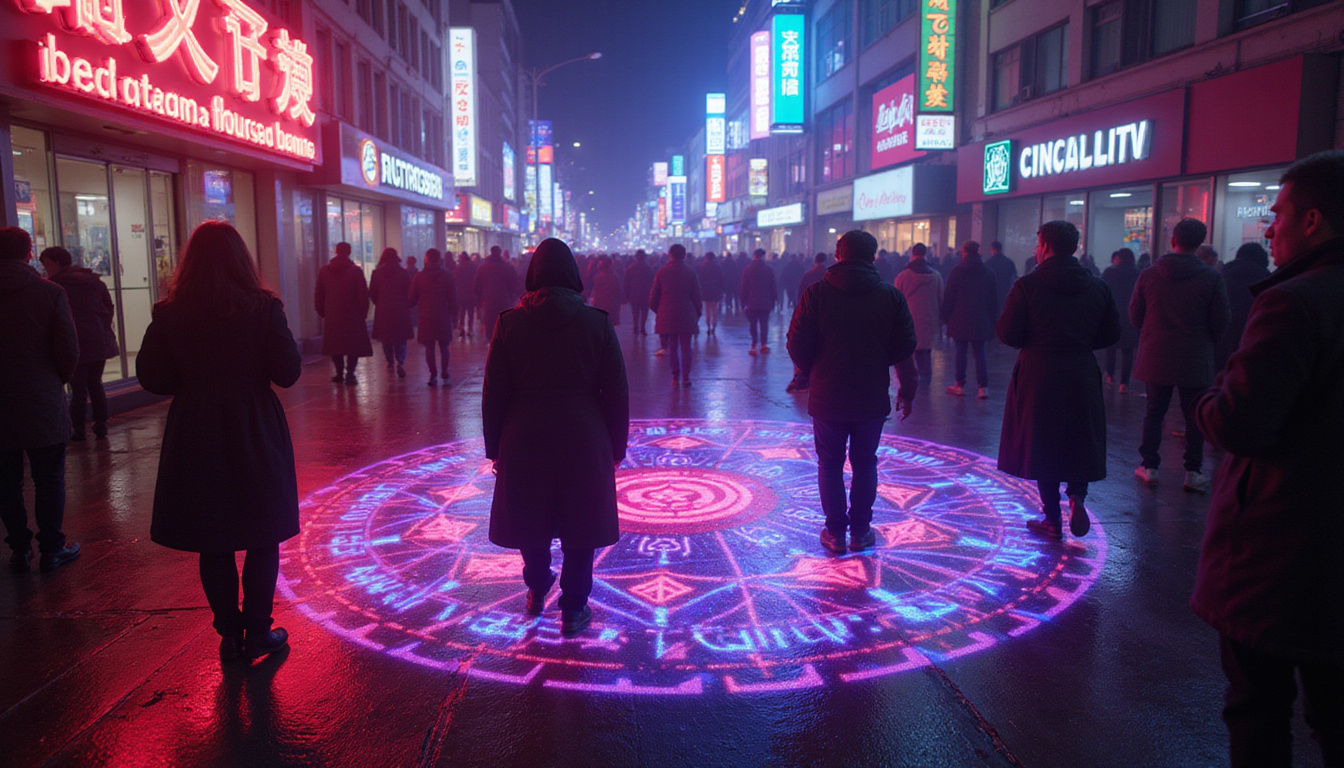
- Business decisions: Some companies avoid launching products on “unlucky” days or using certain numbers in product names.
- Real estate: Properties with certain numbers (e.g., 13 in the West, 4 in parts of East Asia) may sell for less or struggle to attract buyers.
- Sports rituals: Athletes repeat elaborate pre-game routines for “luck,” from wearing the same clothing to entering the field in a specific order.
- Everyday micro-choices:
- Changing plans after seeing a “bad omen”
- Pausing before walking under a ladder
- Feeling oddly reassured after a lucky ritual
Economically and socially, these behaviors have consequences—from construction design to scheduling and marketing strategies.
Cross-Cultural Superstition Origins: Different Myths, Same Needs
Not all cultures share the same superstitions, but their functions are similar.
Examples:
- East Asia:
- Number 4 is unlucky because it sounds like “death” in several languages (e.g., Mandarin, Japanese).
- Number 8 is lucky, symbolizing wealth and prosperity.
- Middle East:
- The “evil eye” belief centers on envy causing harm; amulets and phrases are used for protection.
- Africa and Indigenous cultures worldwide:
- Taboos and rituals often protect natural resources (e.g., certain forests or animals deemed sacred, incidentally leading to conservation).
Across these cultures, superstition origins meet core human needs:
- Manage fear and uncertainty
- Explain misfortune
- Strengthen group identity and cohesion
- Protect what communities value
Are Superstitions Really Harmless?
Many superstitions are benign or even helpful as comforting rituals. But superstition origins can also lead to:
- Discrimination: Associating people (e.g., red-haired individuals, twins, certain ethnic groups) with bad luck.
- Harmful delay of treatment: Choosing magical cures over medical help.
- Fatalism: Believing your destiny is fixed by curses or omens, reducing motivation to change your situation.
- Financial impact: Spending on charms, “lucky items,” or avoiding certain businesses or investments due to dates or numbers.
Understanding where superstitions come from helps us separate:
- Harmless cultural quirks that add color to life
- From beliefs that limit choices, fuel fear, or cause harm
How to Deal with Superstitions in a Modern, Rational Way
You don’t have to purge every hint of superstition from your life. Instead, you can approach these beliefs consciously:
-
Identify your personal superstitions.
Notice the actions you take “just in case.” -
Ask where they came from.
Explore their cultural or family roots. This alone often weakens their emotional grip. -
Test your beliefs.
- Have you had good days on “unlucky” dates?
- Did bad things happen when you didn’t follow the ritual?
-
Keep the ritual, drop the fear.
You can maintain traditions as symbolic or playful, without genuinely believing in supernatural consequences. -
Replace fear-based habits with evidence-based ones.
Use preparation, planning, and skills to manage uncertainty rather than charms or omens.
This approach respects the cultural richness of superstition origins while aligning everyday choices with reality.
FAQ: Superstition Origins and Their Lasting Influence
Q1: Where do most superstition origins come from?
Most superstition origins come from a mix of ancient religion, folklore, and attempts to explain the unknown. Before science could explain disease, weather, or luck, people created stories and rituals to make sense of life’s randomness and to feel more in control.
Q2: Why do the origins of superstitions still matter today?
Understanding superstition origins helps us see which beliefs are cultural habits rather than facts. This awareness makes it easier to drop harmful or limiting behaviors while still valuing the traditions, stories, and shared identity they once provided.
Q3: Are all superstition origins irrational, or can some have practical roots?
Not all superstition origins are purely irrational. Some began as practical rules (e.g., avoiding certain foods during disease outbreaks, or not traveling on dangerous nights) that later gained mystical explanations. Over time, the original practical reason may be forgotten while the superstition remains.
Let Ancient Myths Inform You—Not Control You
Superstition origins reveal a lot about what it means to be human: we crave meaning, we fear uncertainty, and we build stories to bridge that gap. Ancient myths and rituals once helped our ancestors navigate a dangerous, mysterious world. Today, those same beliefs still echo in how we talk, decide, and behave.
You don’t need to abandon every tradition. But you can choose which beliefs deserve a place in your life—and which belong in history books, not in your decision-making.
If you’re curious about the beliefs guiding you, start paying attention to your own small rituals and “gut rules.” Look up their superstition origins, question whether they serve you, and begin building a mindset grounded in understanding rather than fear.
Your behavior doesn’t have to be shaped by ancient myths unless you choose it. Start that choice today: pick one superstition you follow, learn its story, and decide consciously whether it still deserves power over your life.
Cultural superstitions have shaped traditions and beliefs for generations. Explore the psychology, cultural history, and science behind these fascinating practices at SpiritualMindScience.com.