The shofar is much more than an ancient instrument; it’s a living symbol of spiritual awakening, reflection, and renewal. Whether you’re preparing for the High Holidays, learning for the first time, or looking to upgrade your current horn, understanding how to blow, care for, and choose a shofar will deepen both your sound and your connection to its meaning.
What Is a Shofar and Why It Matters
A shofar is a musical wind instrument traditionally made from a ram’s horn, used in Jewish ritual, especially on Rosh Hashanah and at the end of Yom Kippur. Its raw, piercing sound is meant to awaken the heart—calling people to introspection, repentance, and growth.
Key points about the shofar’s role:
- Used primarily on Rosh Hashanah and Yom Kippur
- Blasts (tekiah, shevarim, teruah) have specific halachic and symbolic meanings
- Represents themes of remembrance, mercy, and renewal
- Has very specific laws regarding how it’s made and used (see Shulchan Aruch, Orach Chaim 586–587 for classic guidelines; English summaries are available from the Orthodox Union and other halachic resources)
Understanding this background helps you approach blowing and caring for your horn not just as a skill, but as a spiritual practice.
Types of Shofarot: Shapes, Styles, and Traditions
Before you learn how to blow and care for a shofar, it’s helpful to know the main types available and the traditions behind them.
1. Classic Ram’s Horn Shofar
This is the traditional Ashkenazi and widely accepted style for Rosh Hashanah:
- Source: Male ram’s horn
- Shape: Slightly curved, shorter length
- Sound: Clear, sharp, and focused
- Halachic status: Often preferred because of its connection to the binding of Isaac (Akeidat Yitzchak)
2. Yemenite (Kudu) Shofar
Commonly used in many Sephardi and Yemenite communities:
- Source: Horn of the kudu antelope
- Shape: Long, dramatically twisted, often 30–50+ inches
- Sound: Deep, resonant, and powerful; carries well in large spaces
- Usage: Widely used today in synagogues and for communal events
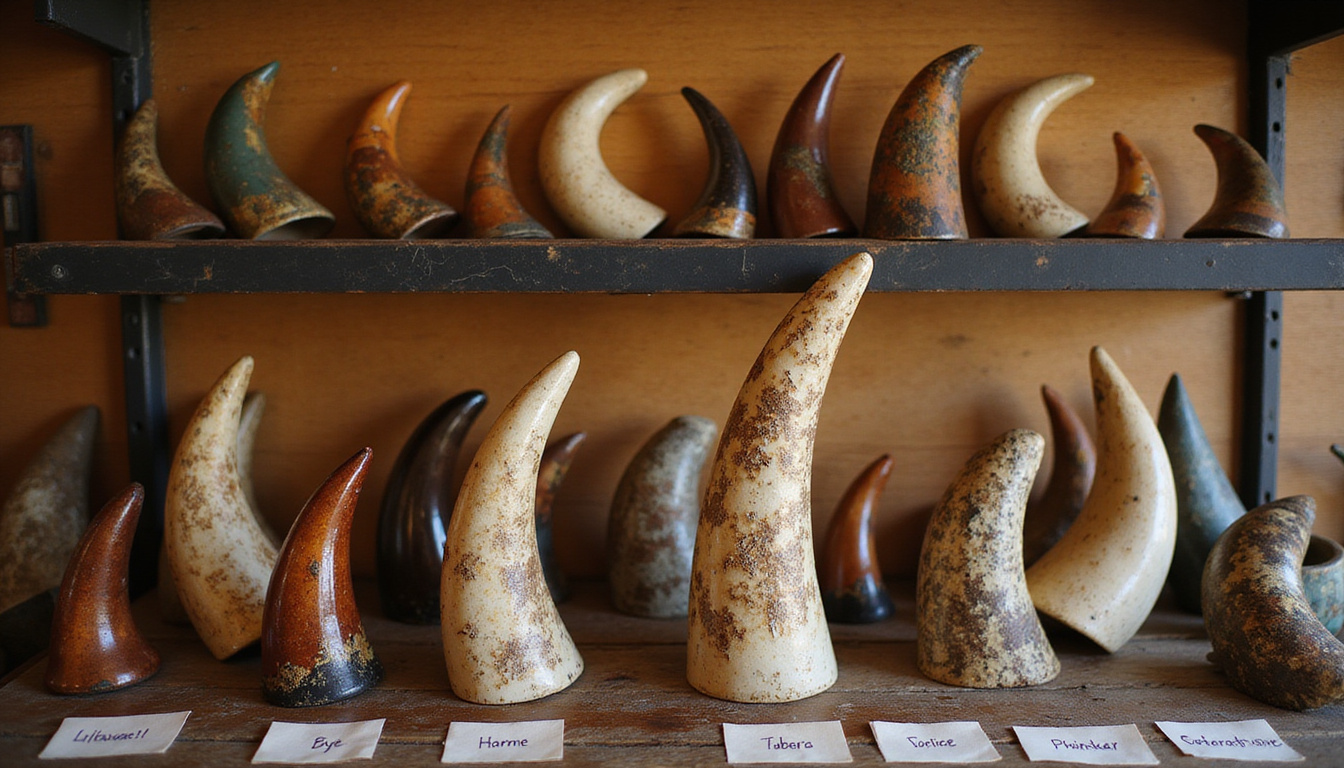
3. Polished vs. Natural Finish
- Natural finish: Rough exterior, more rustic look, often with visible ridges and natural color variations
- Polished finish: Sanded and glossy; can look more “formal” or decorative
Halachically, either can be acceptable as long as the structure and mouthpiece follow the rules (no cracks that alter sound, no added mouthpiece inserts, etc.).
How to Blow a Shofar: Step-by-Step for Beginners
Learning to blow the shofar is a skill that combines breath control, lip technique, and patience. Even if you’ve never played a wind instrument, you can improve quickly with focused practice.
1. Understand the Basic Technique
At its core, shofar playing is similar to blowing a trumpet:
- You don’t “blow air” straight through.
- You vibrate your lips at the mouthpiece, and the horn amplifies that vibration into sound.
Think of saying a tight “brrrr” with your lips, but controlled and sustained.
2. Proper Posture and Grip
- Stand or sit upright, shoulders relaxed.
- Hold the shofar securely with your dominant hand.
- Angle the mouthpiece slightly to one side of your lips (many people find the corner of the mouth easiest).
3. Mouth Position (Embouchure)
- Close your lips gently, as if saying “mmm.”
- Create a small opening in the center or corner of your lips.
- Press the mouthpiece firmly but not painfully against your lips to seal the air.
4. Breath Support
- Take a deep breath from your diaphragm (belly expands, not just your chest).
- Keep your throat open and relaxed.
- Push air out steadily using your abdominal muscles, not your cheeks.
Avoid puffing your cheeks—they weaken control and shorten your blasts.
5. Creating Your First Sound
- Take a deep breath.
- Press the shofar against your lips.
- Tighten your lips slightly and try to vibrate them while exhaling, like a controlled “brrrr.”
- Adjust:
- If no sound: tighten lips slightly more or adjust angle.
- If it squeaks: relax a bit or reduce air pressure.
Expect a learning curve. Very few people get a strong, clear blast on the first attempt.
Mastering the Three Main Shofar Calls
Traditional Rosh Hashanah services include three main types of blasts (with various sequences).
-
Tekiah – One long, steady blast
- Smooth, unbroken sound
- Aim for a solid, confident tone
-
Shevarim – Three medium-length broken blasts
- “Doo – doo – doo” with short pauses in between
- Each segment should be clearly separated and of similar length
-
Teruah – A series of short, staccato bursts
- Often described as 9 or more quick notes in rapid succession
- Keep each burst crisp and even
Practice suggestion:
- Start with tekiah until your tone is consistent.
- Move to shevarim: practice three equally spaced blasts.
- Add teruah once your lips and breath are stronger.
Record yourself or have someone listen so you can adjust length, clarity, and consistency.
Training Tips: How to Improve Your Shofar Blowing
To build stamina and reliability, make practice structured but not overwhelming.
Try this simple routine, 5–10 minutes a day:
- 3–5 deep breathing cycles (in through nose, out through mouth)
- 5–10 attempts at long tekiah blasts (aim for a steady tone)
- 5 sets of shevarim (3 blasts per set)
- 3–5 teruah attempts focusing on speed and evenness
- Finish with the full sequence you’ll use in synagogue if applicable
If your lips get sore or your sound deteriorates, take a break. Over-practicing can be counterproductive.
How to Care for a Shofar: Cleaning and Storage
Proper care keeps your shofar sounding clear, smelling acceptable, and halachically valid for many years.
Cleaning the Inside
After repeated use, moisture and residue build up inside the horn. To clean:
-
Rinse gently:
- Run lukewarm (not hot) water through the shofar from the mouthpiece end.
- Do not use boiling water; it can warp or crack the horn.
-
Use mild cleaning if needed:
- A small amount of mild, unscented dish soap can be used, then rinsed thoroughly.
- Some people use a mixture of water and a bit of white vinegar to neutralize odor—rinse very well afterward.
-
Dry completely:
- Stand the shofar mouthpiece-down to let water drain.
- Let it air-dry fully before storing to prevent mold or internal damage.
Cleaning the Mouthpiece
- Wipe the mouthpiece gently with a clean, slightly damp cloth.
- For shared shofarot, many communities recommend using disinfecting wipes (non-scented, alcohol-based) on the exterior, then letting it dry fully before the next user.
Storage Guidelines
- Keep your shofar in a cool, dry place, away from direct sunlight.
- Avoid extreme temperatures and humidity (no car trunk or attic storage).
- Store it flat or in a soft case to prevent warping or accidental falls.
- Don’t place heavy objects on top of it.
With proper care, a good shofar can last decades, often becoming a treasured family heirloom.
How to Choose the Right Shofar for You
Selecting a shofar is both a practical and personal decision. Consider the following factors:
1. Purpose and Community Custom
- Synagogue use: Check your rabbi’s guidance on:
- Type (ram vs. Yemenite)
- Minimum length
- Finish and style
- Home practice / educational use: You have more flexibility; focus on ease of blowing and sound quality.
2. Size and Ease of Use
-
Smaller ram’s horn (8–12 inches):
- Easier to handle and transport
- Often easier for beginners to control
- Good choice for children and first-time learners
-
Medium to large horns (12–20+ inches, or long Yemenite):
- Can produce deeper, richer tones
- Slightly harder for beginners, but rewarding once mastered
Test-blowing is ideal. Many reputable Judaica shops will allow you to try several shofarot to see which feels and sounds best.
3. Sound Quality
When you test a shofar, listen for:
- Clear, stable tone (not too airy or fuzzy)
- Ability to easily produce tekiah, shevarim, and teruah
- Good projection (can people across the room hear it clearly?)
Two shofarot of the same length can sound very different. Trust your ears.
4. Halachic Validity
If you plan to fulfill the mitzvah of hearing the shofar:
- Ensure the horn is from a kosher animal (ram, kudu, etc.).
- The horn must be hollowed from the natural material, not artificially reconstructed.
- Avoid horns with:
- Large cracks, especially near the mouthpiece or bell
- Added mouthpiece inserts (metal or plastic) that alter the basic structure
Look for certification or buy from a reputable Judaica source that clearly states the shofar is kosher for ritual use (source: rabbinic guidelines summarized by organizations such as the Orthodox Union).
5. Aesthetics and Personal Connection
It’s legitimate to choose a shofar that you find beautiful:
- Color variations (light cream to dark brown)
- Twist and curvature
- Natural vs. polished finish
Since this is a deeply personal object, the way you feel holding and seeing it can enhance your experience of the mitzvah.
Common Problems and How to Fix Them
Even experienced blowers occasionally struggle. Here are quick troubleshooting tips:
-
No sound at all:
- Slightly adjust angle on your lips.
- Tighten your embouchure.
- Try using a bit more air with steady pressure.
-
Very airy or weak sound:
- Tighten lips slightly.
- Support air from your diaphragm, not your throat.
- Make sure the mouthpiece seals well against your lips.
-
You get tired quickly:
- Practice shorter sessions more frequently.
- Work on deep breathing exercises.
- Increase blast length gradually over time.
-
Cracks or changes in sound:
- Inspect carefully for visible cracks.
- If damaged, consult a knowledgeable rabbi or shofar specialist; some repairs may disqualify it from ritual use.
FAQ About Shofar Use, Care, and Selection
1. How often should I clean my shofar horn?
If you blow the shofar regularly (e.g., daily practice before the High Holidays), a light rinse every week or two is usually enough, plus a thorough cleaning at the end of the season. If you only use it on holidays, a good clean right after Yom Kippur and a quick check before Rosh Hashanah is generally sufficient.
2. What is the best shofar for beginners?
For most beginners, a small to medium ram’s horn shofar (around 10–14 inches) is ideal. It’s easier to hold and blow, and usually requires less air. After you’re comfortable producing all three blasts reliably, you can explore larger or Yemenite horns if desired.
3. Can you repair a damaged shofar and still use it?
Minor exterior chips or small cracks far from the mouthpiece and bell may not invalidate a kosher shofar horn, but significant repairs—especially adding material or inserts—often make it halachically invalid. Always consult a competent rabbinic authority if you’re considering repairs for a shofar used for mitzvah purposes.
Bring the Call of the Shofar Into Your Life
The sound of the shofar cuts through routine and noise, reaching something deep and essential within us. Learning how to blow it with confidence, caring for it properly, and choosing a horn that resonates with you transforms a once-a-year ritual into an ongoing, meaningful practice.
If you’ve been thinking about learning, don’t wait for the next High Holiday season. Start now: find a shofar that fits your hand and your heart, set aside a few minutes each day to practice, and let each blast remind you of your capacity to grow, reflect, and return to your best self.
Take the next step today—visit a trusted Judaica shop or online vendor, test a few shofarot, and begin your journey with this ancient, powerful call.
Sacred objects often carry deep cultural and spiritual meaning. Learn how these symbols relate to history, spirituality, and the human mind by exploring more articles at SpiritualMindScience.com.