If you love low-maintenance, colorful houseplants, kalanchoe deserves a prime spot on your windowsill. With its fleshy leaves, long-lasting flowers, and easy-going nature, this succulent is ideal for beginners yet rewarding enough for seasoned plant lovers. The “secret” is understanding a few key care principles—light, water, soil, and temperature—that mimic its native environment.
Below you’ll find practical, experience-based tips to help your kalanchoe not just survive, but truly thrive indoors.
Understanding Kalanchoe: The Basics
Kalanchoe is a genus of succulent plants native mostly to Madagascar and tropical Africa. The most common indoor type, Kalanchoe blossfeldiana, is grown for its colorful clusters of flowers in red, orange, yellow, pink, and white.
Key traits:
- Succulent leaves that store water
- Blooms that can last weeks to months
- Compact growth perfect for windowsills and desks
- Great candidates for indoor containers and small spaces
Treating kalanchoe like a typical tropical houseplant is where many people go wrong. It’s closer to a desert succulent in its needs, particularly with water and soil.
Light Requirements: The #1 Secret to a Happy Kalanchoe
Light is the most critical factor in kalanchoe care.
Ideal light conditions:
- Bright, indirect light or direct morning sun
- East-facing or bright south-/west-facing windows with filtered light
- At least 6 hours of good light per day
If your kalanchoe isn’t getting enough light, you’ll notice:
- Leggy, stretched-out stems
- Sparse leaves
- Few or no flowers
- Faded leaf color
On the other hand, too much harsh, direct midday sun can cause leaf scorch—bleached or crispy spots on the foliage.
Pro tip:
In winter, a south-facing window is often perfect. In summer, you may need a sheer curtain if the sun is intense.
If your home is dark, consider a small LED grow light placed 12–18 inches above the plant, on for about 10–12 hours a day.
Watering Kalanchoe: Avoid the #1 Killer
Most kalanchoe problems come from one thing: overwatering.
As a succulent, kalanchoe stores water in its leaves and stems. It’s far safer to underwater slightly than to keep the soil constantly moist.
How to water correctly:
- Let the top 1–2 inches (2.5–5 cm) of soil dry out completely.
- Water thoroughly until water drains from the bottom.
- Empty saucers or cache pots after 10–15 minutes.
- Do not water again until the soil is dry at that depth.
Typical frequency:
- Spring/Summer (active growth): about every 1–2 weeks
- Fall/Winter (resting): about every 2–3 weeks, sometimes less
Always adjust based on your environment—light, temperature, and pot size all affect drying time.
Signs you’re overwatering:
- Yellowing, mushy leaves
- Blackened stems at the soil line
- Soil staying wet for many days
- Moldy smell or fungus gnats
Signs you’re underwatering:
- Wrinkled or shriveled leaves
- Dry, pulling-away soil
- Slow growth and reduced flowering
When in doubt, wait a few extra days before watering.
The Right Soil and Potting Mix for Kalanchoe
Because kalanchoe hates “wet feet,” the potting mix is crucial.
Best soil type:
- A well-draining cactus or succulent mix
- Or a blend such as:
- 2 parts regular potting soil
- 1 part perlite or pumice
- 1 part coarse sand or fine gravel
This ensures good aeration around the roots and quick drainage after watering.
Pot selection tips:
- Choose a pot with drainage holes (non-negotiable).
- Terra cotta pots are ideal because they allow moisture to evaporate through the sides.
- Avoid oversized pots; kalanchoe prefers being slightly snug compared with swimming in soil.
Repotting every 2–3 years (or when root-bound) into fresh mix will keep your plant healthy and reduce the risk of root diseases.
Temperature and Humidity: Comfortable, Not Tropical
Kalanchoe does well in the same temperature range that most people find comfortable indoors.
Ideal temperatures:
- Daytime: 60–75°F (15–24°C)
- Nighttime: Not below 50°F (10°C)
Keep your plant away from:
- Cold drafts (near doors or drafty windows)
- Heat vents or radiators
- Sudden temperature swings
Unlike many tropical houseplants, kalanchoe doesn’t require high humidity. Standard indoor humidity is perfectly adequate. Avoid misting; it’s unnecessary and can encourage fungal issues on leaves and flowers.
Fertilizing Kalanchoe: Fuel for Growth and Blooms
Fertilizer isn’t mandatory, but it can significantly improve flowering and overall vigor if used sparingly.
Fertilizing guidelines:
- Use a balanced, water-soluble fertilizer (e.g., 10-10-10 or 20-20-20)
- Dilute to half or quarter strength
- Apply once a month during spring and summer
- Skip fertilizing in late fall and winter when growth slows
Overfertilizing can cause:
- Salt buildup in the soil
- Leaf burn (brown, crispy edges)
- Lush foliage at the expense of flowers
If you see white crust on the soil surface, flush the pot with clean water until it drains freely, then let it dry out again.
Encouraging Rebloom: Getting Kalanchoe to Flower Again
Many people treat kalanchoe as a “one-and-done” flowering gift plant, but it can absolutely rebloom indoors with the right care.
Kalanchoe is a short-day plant—it sets buds when days are shorter and nights are longer.
Steps to encourage rebloom:
-
Light cycle control (fall/winter)
- For about 6 weeks, give your plant:
- 14–16 hours of complete darkness each night
- 8–10 hours of bright light during the day
- You can move it to a dark closet or cover with a box from evening to morning.
- For about 6 weeks, give your plant:
-
Maintain proper conditions
- Keep temperatures around 60–70°F (15–21°C)
- Continue light watering and minimal fertilizing
-
Watch for buds
- After 4–6 weeks, you should start seeing flower buds
- Once buds appear, return the plant to a bright windowsill and resume normal care
This process mimics the shorter days of its natural blooming season and stimulates flower production (source: University of Minnesota Extension).
Pruning and Grooming: Keeping Kalanchoe Compact and Tidy
Pruning keeps your kalanchoe attractive and encourages new growth.
How to prune effectively:
-
Deadhead spent flowers
- Snip off faded flower clusters at the base of the stem.
- This keeps the plant tidy and may trigger additional blooms.
-
Shape the plant
- Pinch or cut back leggy stems to just above a leaf node.
- This promotes branching and a fuller form.
-
Remove damaged leaves
- Trim yellowed, mushy, or diseased foliage as soon as you see it.
- Always use clean, sharp scissors or pruners.
A light pruning session every few months can prevent your kalanchoe from becoming tall, sparse, or top-heavy.
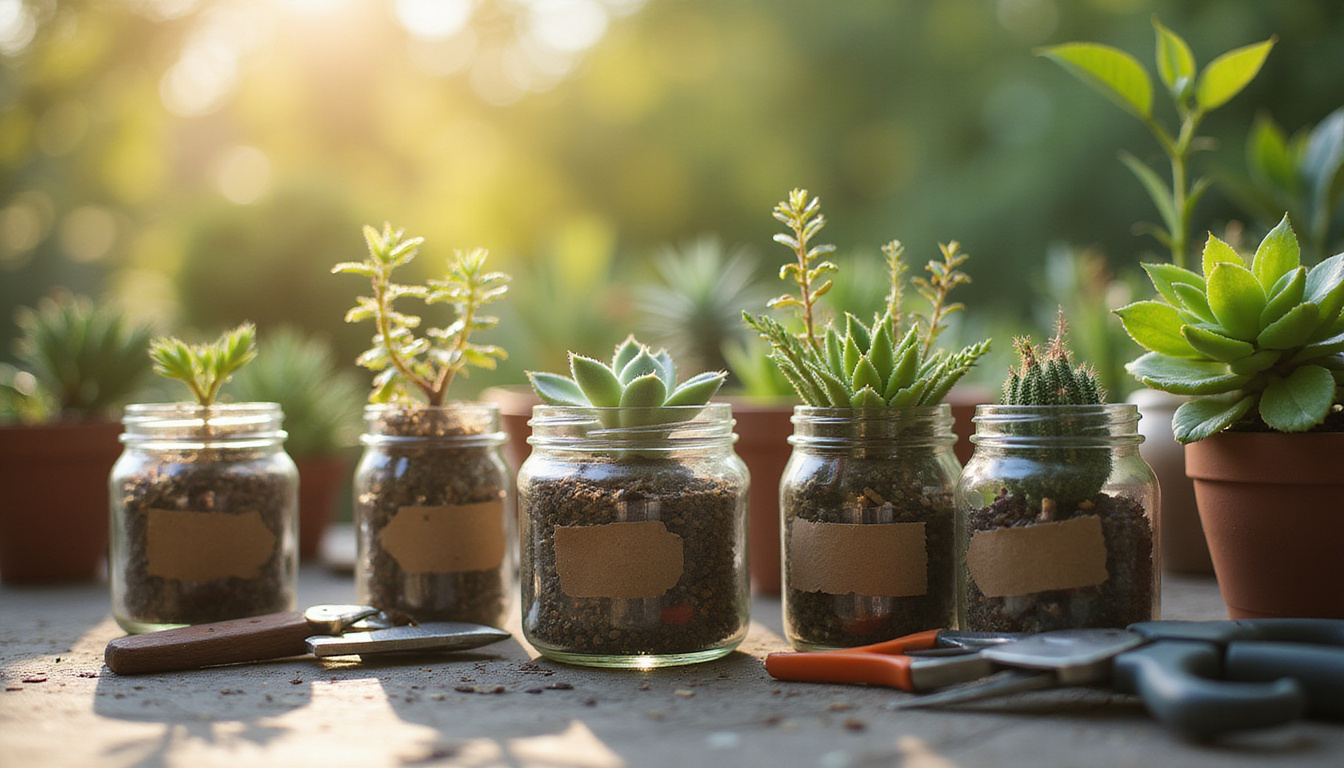
Propagating Kalanchoe: Easy New Plants from Cuttings
One of the joys of kalanchoe is how easily you can propagate it and share with friends.
Simple propagation steps:
- Choose a healthy, non-flowering stem with at least 2–3 leaf pairs.
- Cut a 3–4 inch (7–10 cm) section just below a node.
- Remove the bottom leaves, leaving a bare stem.
- Let the cutting dry and callus for 1–2 days.
- Insert into a moist, well-draining succulent mix.
- Place in bright, indirect light and keep the soil barely moist.
Roots typically form in 2–4 weeks. Once new growth appears, care for the cutting like a mature plant.
Some kalanchoe species (like Kalanchoe daigremontiana) produce baby plantlets along leaf edges that can be gently removed and potted up.
Common Kalanchoe Problems and Solutions
Even with good care, issues can arise. Here’s how to troubleshoot quickly.
1. Leaves turning yellow and mushy
- Most likely cause: Overwatering or poorly draining soil.
- Fix: Let soil dry thoroughly, check drainage holes, and consider repotting into a gritty mix.
2. No flowers, just leaves
- Possible causes:
- Insufficient light
- No short-day/light control period
- Excess nitrogen fertilizer
- Fix: Move to a brighter spot and follow the reblooming routine.
3. Brown, crispy leaf edges
- Possible causes:
- Underwatering
- Too much direct, intense sun
- Fertilizer burn
- Fix: Adjust watering, provide filtered light, and reduce fertilizer strength.
4. Pests (mealybugs, aphids, spider mites)
- Look for white cottony spots, sticky residue, or fine webbing.
- Treatment:
- Isolate the plant
- Wipe leaves with a cotton ball dipped in diluted isopropyl alcohol
- Use insecticidal soap or neem oil weekly until pests are gone
Regularly inspecting your plant helps you catch problems early before they become severe.
Quick Care Checklist for Indoor Kalanchoe
Use this as a handy reference:
- Light: Bright, indirect; some morning sun is ideal
- Water: Let top 1–2 inches of soil dry; water deeply, then drain
- Soil: Well-draining cactus/succulent mix
- Pot: Drainage holes; slightly snug size, terra cotta preferred
- Temperature: 60–75°F (15–24°C); avoid drafts and extremes
- Humidity: Normal household levels; no misting needed
- Fertilizer: Diluted, monthly, spring–summer only
- Pruning: Deadhead spent blooms, trim leggy stems
- Reblooming: Short days/long nights for 4–6 weeks in fall or winter
FAQ: Your Top Kalanchoe Questions Answered
1. How often should I water kalanchoe indoors?
Water kalanchoe only when the top 1–2 inches of soil are dry. For most indoor environments, this means roughly every 1–2 weeks in spring and summer, and every 2–3 weeks in fall and winter. Always adjust based on light, temperature, and pot type.
2. Why is my kalanchoe not flowering again?
A kalanchoe may not rebloom if it doesn’t receive enough light or if it’s exposed to light late into the evening. To trigger blooms, give it 6 weeks of short days and long nights (about 14–16 hours of darkness daily), combined with bright daytime light and careful watering.
3. What is the best soil mix for a kalanchoe plant?
The best soil for kalanchoe is a fast-draining cactus or succulent mix. You can create your own by mixing two parts standard potting soil with one part perlite or pumice and one part coarse sand. This prevents root rot by allowing water to drain quickly.
A healthy kalanchoe rewards you with glossy leaves and generous, long-lasting blooms, all with relatively little effort. By dialing in the right light, water, and soil—and using the simple short-day trick for reblooming—you can keep this cheerful succulent thriving year after year.
If you’re ready to enjoy vibrant color with minimal maintenance, start by choosing a healthy kalanchoe, repot it into a well-draining mix, and give it a bright spot in your home. Apply the care secrets you’ve learned here, experiment with pruning and propagation, and watch your indoor kalanchoe collection grow.
Throughout history, many plants and herbs have been associated with luck, protection, and prosperity. To explore their deeper spiritual, psychological, and scientific significance, visit SpiritualMindScience.com.