Elephants have walked beside humans in myth, art, and religion for thousands of years, carrying a weight of meaning far beyond their physical size. Today, elephant symbolism still resonates because it offers something we all need: a grounded, calm, and resilient way to move through modern life. When you understand what elephants have represented across cultures, you unlock practical wisdom you can apply to your relationships, your work, and your inner growth—every single day.
Why Elephants Captivate the Human Imagination
Across continents, from Africa to India to Southeast Asia, elephants are more than animals; they are living archetypes. People have seen them as:
- Guardians of memory and tradition
- Embodiments of patience and steady power
- Protectors of family and community
Anthropologists note that human societies often project their highest values onto symbolic animals (source: Smithsonian National Museum of Natural History), and elephants, with their size, intelligence and social nature, naturally invite this kind of reverence.
At a time when many feel rushed, fragmented, or disconnected, reconnecting with elephant symbolism can act as a compass—reminding you to slow down, remember your values, and lead with quiet strength.
Core Meanings of Elephant Symbolism
While specific meanings vary by culture, several themes appear again and again.
1. Strength with Gentleness
We tend to think of strength as forceful, loud, and dominant. Elephant symbolism teaches the opposite: true strength can be gentle, aware, and controlled.
Elephants are capable of immense power, yet most of the time they move slowly and deliberately. They rarely waste energy on unnecessary aggression. For everyday life, this suggests:
- You don’t need to be loud to be strong.
- You can have boundaries without hostility.
- Calm, consistent effort often beats short bursts of intensity.
When you channel “elephant energy,” you’re reminded that your power is more trustworthy when it’s grounded and restrained.
2. Loyalty, Family, and Community
Elephant herds are matriarchal and deeply social. They care for calves together, mourn their dead, and remember allies and dangers for decades. Because of this, elephant symbolism is strongly tied to:
- Devotion to family
- Reliability and protection
- Collective wisdom and shared responsibility
In a culture that often celebrates radical independence, elephants quietly model interdependence: you are strong, and you also need others. Bringing this symbolism into your life might mean prioritizing time with loved ones, protecting your community, and honoring elders.
3. Memory and Ancestral Wisdom
The saying “an elephant never forgets” reflects a truth: elephants have extraordinary memory. Symbolically, this extends beyond simple recall to represent:
- Respect for history and experience
- Learning from past mistakes
- Carrying lessons across generations
In practical terms, elephant symbolism invites you to stop repeating the same patterns on autopilot. Instead, you consciously remember: What has life already taught you? What wisdom has your family or culture tried to pass down that you can reclaim?
Elephant Symbolism in Different Cultures
To really appreciate the depth of this symbol, it helps to see how various traditions have honored elephants.
Hindu Traditions: Ganesha and the Remover of Obstacles
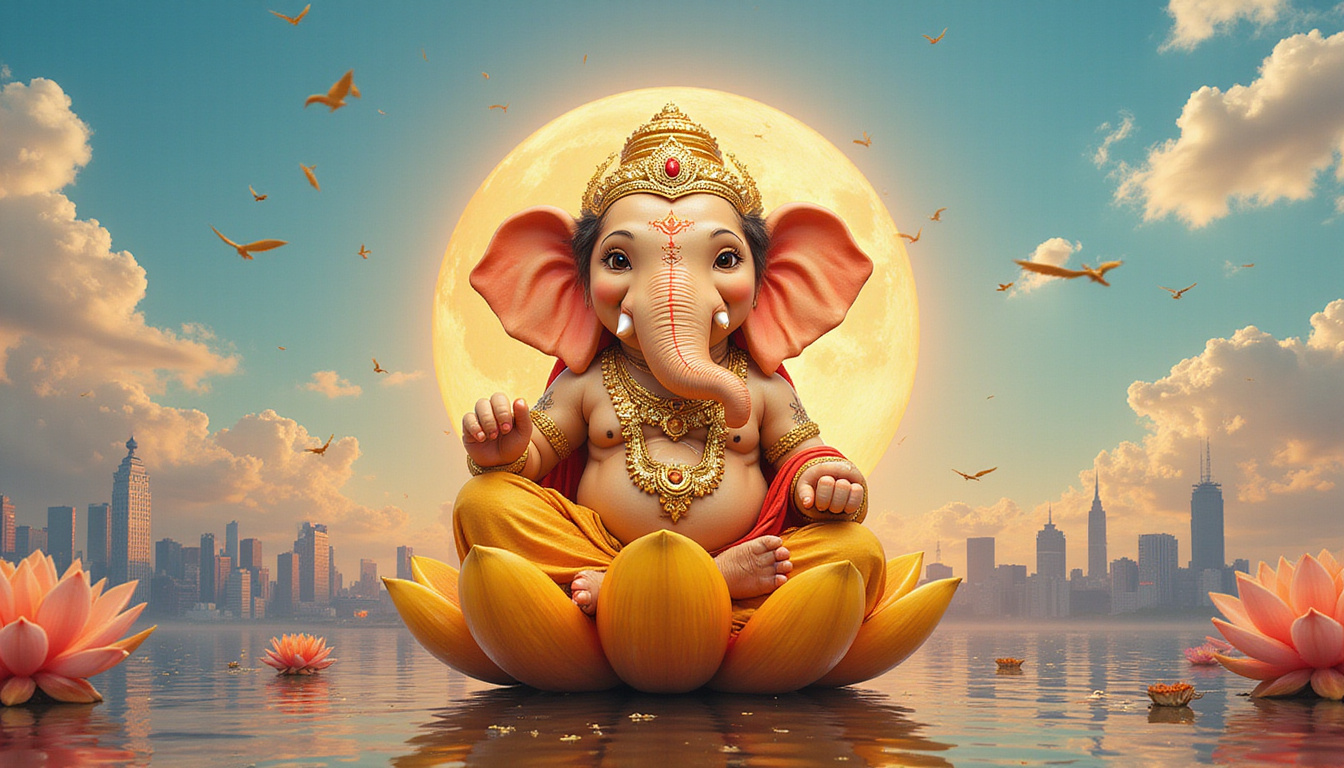
In Hinduism, the elephant-headed deity Ganesha is one of the most widely revered gods. Ganesha represents:
- Removal of obstacles
- New beginnings and fresh starts
- Intelligence, discernment, and success
People often pray to Ganesha before starting a journey, a business, or a major life change. If you connect with this aspect of elephant symbolism, you might see elephants as a reminder that obstacles can be:
- Gently moved
- Skillfully navigated
- Turned into opportunities for growth
Rather than seeing challenges as signs you should stop, you learn to approach them with patience, creativity, and faith.
Buddhist Symbolism: Peace and Mental Strength
In Buddhist tradition, a white elephant is a particularly auspicious symbol, associated with:
- Purity and nobility of intention
- Mental strength and discipline
- The potential for great spiritual awakening
A story from Buddhist lore describes the Buddha’s mother dreaming of a white elephant before his birth—foreshadowing his spiritual importance.
For everyday life, this version of elephant symbolism can:
- Encourage you to cultivate a calm, “elephant-like” mind
- Inspire you to practice steadiness in meditation or reflection
- Remind you to align your actions with your deeper values
African Cultures: Leadership and Earth Energy
In many African traditions, elephants are symbols of:
- Royalty and leadership
- Connection to the land
- Stability and grounded authority
Because they shape the landscape—uprooting trees, creating paths, finding water—elephants are sometimes seen as “gardeners” of their ecosystems.
If you’re drawn to this interpretation, elephant symbolism might guide you to lead from a place of:
- Responsibility instead of ego
- Long-term thinking instead of quick wins
- Harmony with your environment and community
How to Apply Elephant Symbolism to Everyday Strength
Symbolism is only powerful if you can use it. Here’s how elephant wisdom can translate into practical, everyday habits.
Slow, Steady Progress Over Quick Fixes
Elephants cover great distances, but they do so step by step. This can transform how you approach goals:
- Instead of crash diets, build sustainable wellness habits.
- Instead of overnight success, commit to daily practice.
- Instead of reacting impulsively, pause and choose deliberately.
When you face a big project, imagine moving through it like an elephant: steady, focused, unhurried, but unstoppable.
Emotional Resilience and Deep Feeling
Elephants are known for their emotional depth—they grieve, celebrate, and bond. Symbolically, they show that strength and sensitivity are not opposites.
Applying this in your life might look like:
- Allowing yourself to feel and process emotions, not suppress them
- Offering emotional support to your “herd” during hard times
- Honoring your grief and losses as part of your story, not signs of weakness
Elephant symbolism gives you permission to be both deeply feeling and deeply strong.
Boundaries and Protective Energy
A threatened elephant will protect its herd with uncompromising power. This can inspire you to create healthier boundaries:
- Saying no to relationships or commitments that drain you
- Protecting your time and focus from constant digital distractions
- Standing up for others when they’re vulnerable
You might ask yourself: “If I were the matriarch of my own ‘herd,’ how would I protect and prioritize what really matters?”
Simple Ways to Work with Elephant Symbolism
You don’t need elaborate rituals to bring this energy into your life. Start with small, intentional actions.
1. Create a Visual Anchor
Place an elephant image or figure somewhere you’ll see daily—your desk, nightstand, or phone wallpaper. Each glance can remind you to:
- Choose patience over haste
- Act from wisdom, not impulse
- Honor your commitments and relationships
2. Use Elephant-Inspired Affirmations
Affirmations can seem cliché, but pairing them with rich symbolism makes them more resonant. You might try:
- “I move steadily toward my goals, like an elephant walking its path.”
- “My strength is calm, grounded, and reliable.”
- “I protect what matters and release what no longer serves my herd.”
3. Reflect with Journaling Prompts
Once a week, use one of these prompts to deepen your connection to elephant symbolism:
- Where in my life do I need more patience and steady progress?
- How can I better protect and nourish my ‘herd’—family, friends, or community?
- What wisdom from my past or my ancestors do I want to carry forward?
This kind of reflection turns symbolism into insight, and insight into action.
Elephant Symbolism in Dreams and Everyday Signs
Many people encounter elephants in dreams, art, or unexpected places and wonder what it means.
Dreaming of Elephants
While dream interpretation is personal, some common themes linked to elephant symbolism include:
- An elephant walking calmly: your inner strength or long-term path
- A protective elephant: need for safety or stronger boundaries
- A baby elephant: new beginnings, potential, or nurturing a fresh idea
What matters most is how you felt in the dream. Peaceful, inspired, or reassured feelings often indicate that your subconscious sees elephants as guides or allies.
Seeing Elephant Symbols in Daily Life
When elephants “show up” repeatedly—through jewelry, books, conversations—it can act as a gentle cue:
- Slow down
- Reconnect with your values
- Lean on your support system
Whether or not you see this as spiritual, using symbolic patterns as prompts for mindfulness can be deeply grounding.
FAQ: Understanding Elephant Symbolism More Deeply
1. What does elephant symbolism mean spiritually?
Spiritually, elephant symbolism often represents grounded wisdom, gentle strength, and the ability to overcome obstacles. It combines power with compassion, encouraging you to move through life with dignity, patience, and a big-hearted concern for others.
2. How can I use elephant spiritual symbolism in daily life?
You can use elephant spiritual symbolism by keeping elephant images nearby as reminders to stay calm and strong, journaling about where you need more patience and resilience, or meditating on elephants when you feel overwhelmed—imagining their steady breath and unhurried pace calming your own.
3. Is there a difference between white elephant symbolism and regular elephant symbolism?
Yes. While general elephant symbolism emphasizes strength, memory, and family, white elephant symbolism—especially in Buddhist and Southeast Asian contexts—adds layers of purity, spiritual significance, and rare blessings. A white elephant often signals noble purpose and the potential for profound spiritual growth.
Bringing Ancient Wisdom into Your Modern Life
Elephant symbolism is not just an interesting cultural footnote; it’s a living source of guidance. In a world obsessed with speed, spectacle, and surface-level success, elephants remind you to:
- Walk your path steadily, not frantically
- Honor your memories, your ancestors, and your experiences
- Protect and cherish your “herd” of loved ones
- Lead with quiet, dependable strength
If the image of an elephant resonates with you, treat it as an invitation. Bring an elephant symbol into your home or workspace, set one elephant-inspired intention for the week ahead, and notice how it subtly shifts your perspective.
Let the ancient wisdom of elephant symbolism walk beside you—step by steady step—until calm confidence, deep loyalty, and unshakable strength become your everyday way of living.
Animals have inspired symbols and beliefs across cultures for centuries. Discover how these traditions connect with psychology, spirituality, and human consciousness at SpiritualMindScience.com.