Pomegranate Recipes and Benefits: Delicious Ways to Boost Immunity
Pomegranate has been celebrated for thousands of years as a symbol of life and vitality—and modern nutrition science backs up its reputation. Packed with antioxidants, vitamins, and anti-inflammatory compounds, pomegranate is one of the most delicious ways to naturally support your immune system. Whether you enjoy the ruby-red arils (seeds), drink the juice, or cook with it, pomegranate can easily become a star ingredient in your everyday meals.
Below, you’ll find practical health benefits, easy ways to prepare and enjoy this fruit, and simple pomegranate recipes designed to help boost immunity.
Why Pomegranate Is a Powerhouse for Immunity
Pomegranate offers a unique blend of nutrients that work together to support immune health and overall wellness.
Key Nutrients in Pomegranate
A typical ½-cup serving of pomegranate arils provides:
- Vitamin C – Essential for immune cell function and collagen production.
- Vitamin K – Supports normal blood clotting and bone health.
- Folate – Important for cell division and repair.
- Potassium – Helps regulate blood pressure and fluid balance.
- Fiber – Supports gut health, which is tightly linked to immune function.
- Polyphenols – Powerful antioxidants, especially punicalagins and anthocyanins.
According to research, pomegranate juice is particularly rich in antioxidants, often showing higher antioxidant activity than red wine or green tea (source: National Institutes of Health).
How Pomegranate Supports the Immune System
-
High Antioxidant Activity
Antioxidants neutralize free radicals that can damage cells and weaken the immune system. Pomegranate’s polyphenols—especially punicalagins—help protect immune cells from oxidative stress. -
Anti-Inflammatory Properties
Chronic, low-grade inflammation can interfere with normal immune responses. Studies show pomegranate extract may reduce inflammatory markers in the body, which can support better immune regulation. -
Gut Health Support
The fiber in pomegranate feeds beneficial gut bacteria. A healthier gut microbiome is linked to better immune function because much of the immune system resides in the digestive tract. -
Cardiovascular Protection
A strong immune system goes hand-in-hand with overall health. Pomegranate may help support healthy blood pressure and cholesterol levels, which benefit heart health and long-term wellness.
How to Choose, Store, and Prep Pomegranate
Before you dive into recipes, it helps to know how to work with this jewel-toned fruit.
Choosing the Best Pomegranate
Look for:
- Deep, rich color: Ranging from bright red to deep crimson.
- Heaviness for size: A heavier fruit typically means juicier arils.
- Firm, taut skin: Slight natural ridges are fine, but avoid large soft spots or cracks.
Storing Pomegranate
- Whole fruit: Store in the refrigerator for up to 1–2 months.
- Arils (seeds): Keep in an airtight container in the fridge for up to 5–7 days.
- Freezing: Spread arils on a baking sheet, freeze, then transfer to a freezer bag for up to 6 months—perfect for smoothies.
Easiest Way to Remove Pomegranate Seeds
- Cut off the crown (top) of the pomegranate.
- Score the skin from top to bottom into 4–6 sections, without cutting all the way through.
- Fill a large bowl with water.
- Gently pull apart the sections underwater and rub out the arils with your fingers.
- The seeds will sink; the white pith will float. Skim off the pith, then drain the seeds.
This method reduces mess and keeps your kitchen from staining.
Simple Everyday Ways to Eat More Pomegranate
You don’t have to make complex dishes to enjoy the benefits of pomegranate. Try these easy ideas:
- Sprinkle pomegranate seeds over yogurt, oatmeal, or cereal.
- Toss into salads for a sweet-tart crunch.
- Stir into salsas, grain bowls, or couscous.
- Blend into smoothies or mocktails.
- Use pomegranate juice as the base for immune-supporting drinks.
- Garnish desserts and cheese boards with a handful of arils.
Immunity-Boosting Pomegranate Recipes
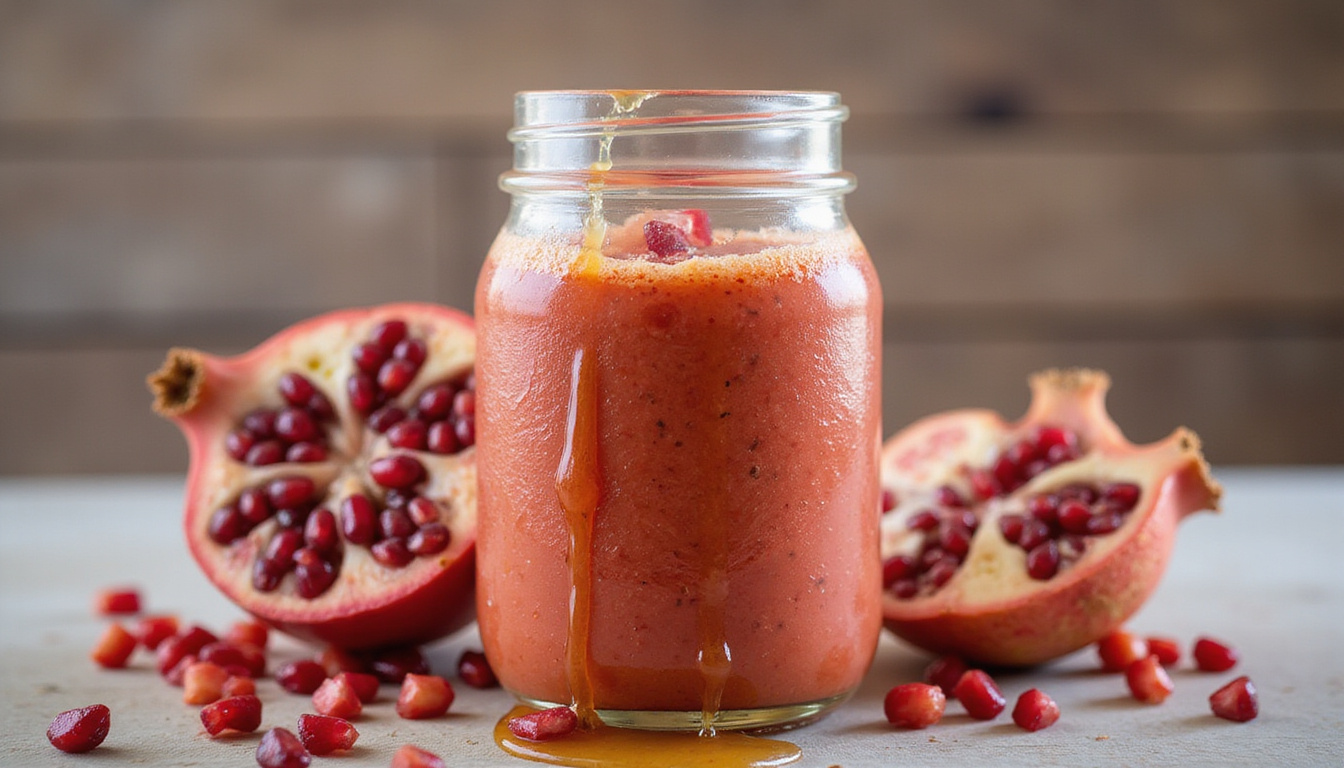
1. Pomegranate Citrus Immunity Smoothie
A refreshing, vitamin-rich smoothie that’s ideal for breakfast or a midday boost.
Serves: 2
Ingredients:
- 1 cup pomegranate seeds (fresh or frozen)
- 1 orange, peeled and segmented
- ½ lemon, peeled and seeded
- 1 small carrot, chopped (optional, for extra beta-carotene)
- ½ cup plain Greek yogurt (or plant-based yogurt)
- ½ cup water or coconut water
- ½-inch knob fresh ginger, peeled
- 1–2 teaspoons honey or maple syrup (optional)
- Handful of ice cubes
Instructions:
- Add all ingredients to a blender.
- Blend on high until smooth.
- Taste and adjust sweetness or thickness as needed.
- Serve immediately for maximum vitamin C and antioxidant content.
Why it helps:
The combination of pomegranate, citrus, and ginger delivers vitamin C, polyphenols, and natural anti-inflammatory compounds that support immune defenses.
2. Pomegranate, Kale, and Quinoa Super Salad
This colorful salad is nutrient-dense, fiber-rich, and perfect as a main or side.
Serves: 4
Ingredients:
- 1 cup dry quinoa, rinsed
- 2 cups water or vegetable broth
- 4 cups finely chopped kale (stems removed)
- 1½ cups pomegranate seeds
- ½ cup chopped walnuts or almonds
- ¼ cup crumbled feta or goat cheese (optional)
- 2 green onions, thinly sliced
Dressing:
- 3 tablespoons extra-virgin olive oil
- 2 tablespoons pomegranate juice or red wine vinegar
- 1 tablespoon lemon juice
- 1 teaspoon Dijon mustard
- 1 teaspoon honey or maple syrup
- Salt and black pepper to taste
Instructions:
- Cook quinoa in water or broth: bring to a boil, reduce heat, cover, and simmer 15 minutes. Fluff and cool.
- Place chopped kale in a large bowl. Massage with a drizzle of olive oil and a pinch of salt for 1–2 minutes to soften.
- In a small bowl, whisk together dressing ingredients.
- Add cooled quinoa, pomegranate seeds, nuts, cheese, and green onions to the kale.
- Pour over the dressing and toss well.
- Chill for at least 15–20 minutes before serving for best flavor.
Why it helps:
Kale and quinoa provide plant-based protein, vitamin A, and minerals, while pomegranate adds antioxidants and vitamin C—creating a salad that supports immune and cardiovascular health.
3. Warm Spiced Pomegranate Tea (Caffeine-Free)
A soothing, cozy drink you can enjoy in the evening to support immunity without caffeine.
Serves: 2
Ingredients:
- 2 cups pomegranate juice (100% pure, no added sugar if possible)
- 1 cup water
- 2–3 thin slices fresh ginger
- 1 cinnamon stick
- 2–3 whole cloves (optional)
- 1 tablespoon honey or to taste
- 2–3 lemon slices
Instructions:
- In a small saucepan, combine pomegranate juice, water, ginger, cinnamon, and cloves.
- Heat over medium until just simmering. Do not boil vigorously to preserve nutrients.
- Reduce heat and gently simmer for 5–10 minutes.
- Remove from heat, strain into mugs, and stir in honey.
- Add a lemon slice to each cup and serve warm.
Why it helps:
Pomegranate’s antioxidants combined with ginger’s warming, anti-inflammatory properties and vitamin C-rich lemon create a soothing beverage that’s ideal during cold and flu season.
Savory Ways to Use Pomegranate in Main Dishes
Pomegranate isn’t just for sweet dishes. Its tangy-sweet flavor pairs beautifully with savory meals and proteins.
Ideas for Savory Pomegranate Dishes
-
Pomegranate Glazed Chicken
Simmer pomegranate juice with garlic, a splash of balsamic vinegar, and a bit of honey until thick. Brush over chicken in the last 10–15 minutes of roasting. -
Pomegranate and Herb Grain Bowls
Mix brown rice or farro with chopped herbs (parsley, mint, cilantro), chickpeas, pomegranate seeds, and a lemon-olive oil dressing. -
Roasted Vegetables with Pomegranate
Toss roasted Brussels sprouts, carrots, or sweet potatoes with a drizzle of pomegranate molasses and sprinkle with fresh arils. -
Middle Eastern-Inspired Pomegranate Pilaf
Sauté onions and garlic, add rice and broth. Finish with pomegranate seeds, toasted nuts, and fresh herbs.
Tips to Maximize Pomegranate Health Benefits
To get the most from pomegranate, keep these points in mind:
- Enjoy it fresh or minimally processed: Fresh arils and 100% juice (no added sugar) are ideal.
- Avoid boiling: High, prolonged heat can reduce vitamin C and some antioxidants. Gently warm instead.
- Pair with healthy fats: Eating pomegranate with nuts, seeds, or olive oil can help your body absorb fat-soluble nutrients.
- Watch portion sizes for juice: Pomegranate juice is nutritious but concentrated in natural sugars. Stick to small servings (4–8 oz) and pair with protein or fiber.
- Include it regularly: Immune support comes from consistent healthy habits, not one-time “superfood” fixes.
Quick Reference: Easy Ways to Add Pomegranate to Your Week
Use this list for simple, realistic ideas:
- Add 2–3 tablespoons of pomegranate seeds to your morning yogurt.
- Toss a handful into a green salad at lunch.
- Blend into an afternoon smoothie with berries and spinach.
- Sprinkle over roasted veggies or grain bowls at dinner.
- Sip a small glass of diluted pomegranate juice with water and lemon.
- Freeze arils in ice cubes for infused water or herbal tea.
Even one or two of these habits a day can increase your intake of pomegranate’s immune-supporting nutrients.
Frequently Asked Questions About Pomegranate and Immunity
Is pomegranate good for your immune system?
Yes. Pomegranate is rich in vitamin C, polyphenol antioxidants, and anti-inflammatory compounds that support normal immune cell function and help protect them from oxidative damage. Its fiber also supports a healthy gut, which plays a major role in overall immunity.
How much pomegranate should I eat per day for health benefits?
There is no single “magic” amount, but many people aim for about ½–1 cup of pomegranate seeds or 4–8 oz of 100% pomegranate juice a day as part of a balanced diet. You can also mix smaller amounts into meals throughout the day.
Is pomegranate juice as healthy as fresh pomegranate seeds?
Both pomegranate juice and fresh arils have benefits. Juice is higher in certain antioxidants but lacks the fiber found in the seeds. For immune and digestive health, combining fresh pomegranate seeds with moderate amounts of juice is an excellent approach.
Bring Pomegranate into Your Kitchen Today
Pomegranate offers a rare combination: it tastes luxurious, looks beautiful on the plate, and delivers genuinely meaningful nutrition for your immune system and overall health. By keeping a fresh pomegranate or a container of arils in your fridge, you can quickly elevate smoothies, salads, grain bowls, and even cozy drinks into immunity-supporting meals.
Start with one or two of the recipes above—like the Pomegranate Citrus Immunity Smoothie or the Kale and Quinoa Super Salad—and see how easy it is to enjoy this antioxidant-rich fruit regularly. Your taste buds (and your immune system) will thank you.
Now is the perfect time to add pomegranate to your weekly meal rotation. Pick one recipe, make a shopping list, and commit to trying it this week—you might discover your new favorite way to stay well, naturally.
Throughout history, many plants and herbs have been associated with luck, protection, and prosperity. To explore their deeper spiritual, psychological, and scientific significance, visit SpiritualMindScience.com.