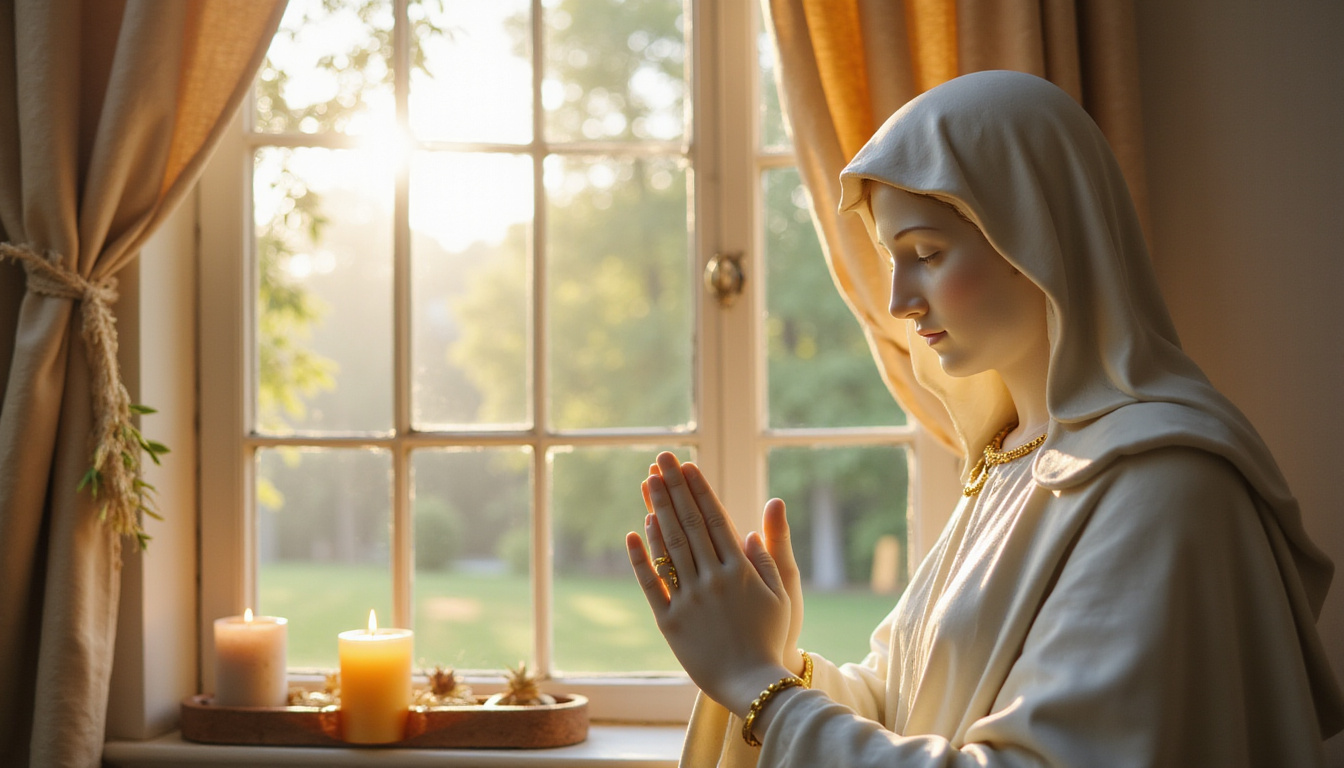
Religious statues have been part of homes and sacred spaces for centuries, offering comfort, focus, and a sense of divine presence. When thoughtfully chosen and placed, religious statues can transform an ordinary room into a peaceful sanctuary—one that reflects your beliefs, calms your mind, and supports your spiritual practice.
Below is a practical, people-first guide to selecting, displaying, and caring for religious statues so they genuinely enhance the peace and harmony of your home.
Why Religious Statues Belong in a Modern Home
In a fast-paced, often noisy world, many people are rediscovering the value of quiet spiritual symbols at home. Religious statues can:
- Remind you of your deepest values and beliefs
- Create a focal point for prayer, meditation, or reflection
- Provide comfort during stress, grief, or uncertainty
- Anchor a sense of sacredness in everyday life
These statues are not mere “decor.” For many, they serve as visual cues to pause, breathe, and reconnect with what truly matters.
Choosing Religious Statues That Resonate With You
The most powerful religious statues are the ones that speak directly to your heart. Before you buy anything, reflect on:
1. Your Spiritual Tradition and Symbols
Consider which spiritual figures and symbols hold meaning for you:
- Christianity: Jesus, the Virgin Mary, saints, angels, crosses
- Buddhism: Buddha in various mudras (hand positions), bodhisattvas, stupas
- Hinduism: Ganesha, Lakshmi, Shiva, Krishna, Saraswati
- Judaism: Menorahs, symbolic representations (keeping in mind aniconic traditions)
- Islamic-inspired decor: Calligraphy and geometric patterns (since figural statues are often avoided), though some people use culturally-inspired pieces in non-devotional ways
- Other paths: Celtic symbols, ancestral figures, nature-based spirituality
Ask yourself: When I look at this figure, do I feel calmer, more grounded, more hopeful? If the answer is yes, you’re on the right track.
2. Material and Craftsmanship
The material of your religious statues affects both their look and energy:
- Wood: Warm, organic, and earthy—ideal for cozy spaces
- Stone or marble: Timeless and solid, conveying permanence and tradition
- Metal (bronze, brass, silver): Elegant, reflective, and durable
- Resin or composite: Affordable, detailed, and often lighter to move
Quality matters. A well-crafted statue with clear details, balanced proportions, and a respectful representation of the figure tends to foster more reverence and focus than something that feels cheap or cartoonish.
3. Size and Scale
Match the statue size to your space and use:
- Small (2–8 inches): Perfect for desks, shelves, bedside tables, or travel altars
- Medium (8–18 inches): Ideal for dedicated prayer corners or console tables
- Large (over 18 inches): Best for main altars, entryways, or outdoor gardens
A huge statue in a tiny room can feel overwhelming, while a tiny figure in a large living room might get lost visually and spiritually.
Creating a Home Altar With Religious Statues
One of the most effective ways to transform your home into a sanctuary is to create a simple altar or sacred corner.
Elements of a Peaceful Home Altar
Consider including:
- Central statue – The main religious statue that represents your faith or focus
- Secondary icons or images – Smaller statues, sacred art, or photos of spiritual teachers
- Natural elements – Flowers, plants, stones, crystals, or water bowls
- Light – Candles, oil lamps, or soft string lights
- Offerings – Incense, fruit, symbolic objects, or written intentions
- Text – A small book of scripture, a prayer card, or inspirational quotes
Keep the space clean and uncluttered. Dusting and tending to your statues can become a quiet form of devotion in itself.
Ideal Placement of Religious Statues in Your Home
Where you put religious statues matters almost as much as which ones you choose. Placement influences how often you engage with them and how they shape the atmosphere of a room.
Living Room: A Center of Calm
The living room is where most families gather. A well-placed statue can:
- Serve as a gentle reminder of shared values
- Encourage respectful conversation and mindful entertainment choices
- Create a quiet corner for reading, reflection, or tea
Place a religious statue on a console, sideboard, or a dedicated shelf with a small lamp or candle nearby. Avoid crowding it with random objects like mail or keys.
Bedroom: A Refuge for Rest
Religious statues in the bedroom can support peaceful sleep and intimate reflection:
- A small statue on a bedside table can be a touchstone for nightly gratitude or prayer.
- A figure placed on a dresser or shelf opposite your bed can offer a comforting presence as you wake.
Avoid placing statues in locations that might feel disrespectful in your tradition (for example, directly on the floor or near cluttered laundry areas).
Entryway: Setting the Tone as You Come and Go
An entryway statue can become a ritual point:
- Glance at it as you leave, setting an intention for the day.
- Pause by it as you return home, letting go of outside stress.
A simple shelf with a religious statue, a small bowl for keys, and a plant can make your entry feel both functional and sacred.
Kitchen or Dining Area: Blessing Daily Nourishment
Many cultures place religious statues or symbols in or near the kitchen to bless meals and family time:
- A small statue on a corner shelf
- A figure on a high ledge away from spills and heat
- A simple niche with a candle and image or statue near the dining table
The idea is to infuse daily nourishment with gratitude and mindfulness.
Outdoor Religious Statues and Garden Sanctuaries
Outdoor religious statues can turn a patio, balcony, or garden into a living sanctuary.
- Garden Buddhas or Kuan Yin statues can create a meditative corner.
- St. Francis statues are popular in gardens, symbolizing peace with animals and nature.
- Hindu deities placed in protected spots can anchor outdoor altars or verandas.
Choose materials designed for outdoor use, and consider:
- Placing statues where they won’t be easily knocked over
- Positioning them where you can see them from inside, extending the sense of peace
- Ensuring the placement is respectful and, if relevant, consistent with your cultural or religious guidelines
Integrating Religious Statues With Your Interior Style
You don’t have to choose between aesthetics and spirituality. Religious statues can complement many design styles:
- Minimalist: One or two carefully chosen statues in clean, uncluttered spaces
- Bohemian / eclectic: A mix of statues from your tradition, textiles, and global decor, while still honoring the sacred pieces
- Traditional / classic: Marble or bronze statues on polished wood, framed by books or artwork
- Modern: Streamlined or abstract religious statues that echo the clean lines of your furniture
Focus on cohesion: similar color palettes, consistent materials, and balanced proportions help your religious statues look intentional, not random.
Respect, Cultural Sensitivity, and Intention
Religious statues carry deep meaning for believers. When selecting and displaying them:
- Avoid trivializing sacred figures as mere “exotic” or “cool” decor.
- Educate yourself about the tradition you’re drawing from, especially if it’s not your own. A brief read about the figure’s significance helps prevent misuse.
- Be mindful of placement in terms of cleanliness, height, and surrounding objects, based on the customs of that tradition.
Academic and interfaith organizations emphasize that respectful engagement with religious symbols includes understanding their context and significance (see, for example, resources from the Harvard Pluralism Project – source).
When in doubt, speak with practitioners, clergy, or community members for guidance.
Caring for Your Religious Statues
Caring for religious statues is both practical and spiritual.
- Dust regularly with a soft cloth or brush, especially for detailed carvings.
- Avoid harsh chemicals, which can damage paint, patinas, or wood finishes.
- Protect from direct sun if colors are likely to fade.
- Handle with respect, especially for objects you consider sacred or blessed.
- Repair or retire damaged statues thoughtfully. In many traditions, broken or worn statues are respectfully buried, burned, or placed in a natural setting rather than thrown away with trash.
Turning cleaning into a short ritual—lighting a candle, offering a silent prayer while you dust—can deepen your connection to the statues.
A Simple Ritual to Activate Your Sacred Space
When you bring a new religious statue into your home, you might:
- Choose a calm time when you won’t be rushed.
- Clean the space where the statue will sit.
- Gently clean the statue itself if needed.
- Place the statue with intention, perhaps facing a direction significant in your tradition.
- Light a candle or incense, or simply take a few deep breaths.
- Speak a dedication, prayer, or affirmation—aloud or silently—about how you hope this symbol will support peace and growth in your home.
This doesn’t need to be elaborate. The key is your presence and sincerity.
FAQ About Religious Statues for Home Use
1. How do I choose the right religious statue for my home?
Choose religious statues that reflect your personal faith or spiritual path and evoke feelings of peace and reverence. Consider the symbolism of the figure, the material, and the size relative to your space. It’s helpful to ask: Does this statue inspire me to be more mindful, compassionate, or grounded? If it does, it is likely a good fit.
2. Where should I put religious figurines to create a peaceful atmosphere?
Place religious figurines in spots where you naturally pause or spend quiet time: a bedroom corner, a living room reading nook, an entryway console, or a small home altar. Keep the area around them tidy, add soft lighting, and avoid placing them directly on the floor or in areas associated with clutter or disrespect in your tradition.
3. Are spiritual statues appropriate as gifts?
Spiritual statues can be meaningful gifts if you’re confident about the recipient’s beliefs and preferences. Choose figures from their own faith tradition, and avoid mixing symbols in ways that might feel insensitive. Including a short note about why you chose that particular statue and how you hope it brings them peace can make the gift even more thoughtful.
Turn Your Home Into a Sanctuary With Intentional Symbolism
You don’t need to redesign your entire house to experience more peace. A few carefully chosen religious statues, placed with intention and cared for with respect, can shift the energy of your home in a profound way. They can anchor daily rituals, support your spiritual growth, and offer a quiet reminder of the sacred—even in the middle of a busy day.
If you’re ready to deepen the sense of calm and meaning in your space, start by choosing one religious statue that truly speaks to your heart. Give it a dedicated place, light a candle, and take a few moments each day to pause in its presence. From that simple beginning, you can gradually build a home that feels less like a storage place for possessions and more like a true sanctuary for your soul.
Sacred objects often carry deep cultural and spiritual meaning. Learn how these symbols relate to history, spirituality, and the human mind by exploring more articles at SpiritualMindScience.com.