Creating a home altar isn’t just for the deeply religious or ultra-spiritual. It’s a simple, practical way to carve out a peaceful corner in your home that reminds you to slow down, breathe, and reconnect with what matters most. Whether you have a full room to spare or only a small shelf, you can create a calming sacred space in minutes with a few thoughtful choices.
Below you’ll find simple, flexible ideas you can adapt to any belief system, aesthetic, or home size—no special equipment or advanced spiritual background required.
Why Create a Home Altar?
A home altar is any intentional space you set aside for reflection, prayer, meditation, or simply grounding yourself. It acts as a visual reminder to pause and center, which can have real mental health benefits. Research shows that consistent mindfulness and reflection practices can reduce stress and improve emotional regulation (source: American Psychological Association).
A home altar can help you:
- Start and end your day with intention
- Create a “transition zone” between busy life and inner quiet
- Anchor habits like meditation, journaling, or gratitude
- Feel connected to your values, ancestors, or spiritual path
The key is that your altar feels meaningful to you, not that it looks a certain way.
Step 1: Choose the Best Spot for Your Home Altar
You don’t need a huge space. A home altar can live on:
- A small table, nightstand, or dresser
- A windowsill or bookshelf
- A wall-mounted shelf
- A corner of your desk
When choosing a spot, consider:
1. Privacy and Quiet
Pick a place where you can sit or stand without constant interruption. A bedroom corner, a quiet hallway nook, or a section of your living room works well.
2. Natural Light (If Possible)
Light streaming in from a window can feel uplifting and energizing. If natural light is limited, plan to use soft lamps or candles.
3. Accessibility
If it’s hard to get to, you won’t use it. Make sure you can comfortably sit or stand near your home altar, even if the space is small.
4. Safety
If you’ll use candles or incense, keep your altar away from curtains, paper, or anything flammable, and out of reach of young children or pets.
Step 2: Start with a Simple Base
Think of the base as the “stage” for your sacred objects. It sets the tone but doesn’t need to be fancy.
Good base ideas:
- A small side table or stool
- A wooden tray on a dresser or shelf
- A fabric runner or cloth on a tabletop
- A floating shelf on the wall
If you like, choose a cloth in colors that feel calming or meaningful—soft neutrals for peace, blues for clarity, greens for growth, or deep reds and purples for a more devotional feel.
Step 3: Select Intention-Driven Objects
The most powerful home altar is built around intention, not decoration. Before you place anything, ask: What do I want this space to support in my life?
Some common intentions:
- Calm and stress relief
- Spiritual connection or prayer
- Creativity and inspiration
- Grief and remembrance
- Gratitude and joy
Then, choose items that symbolize that intention for you.
Common Elements for a Home Altar
You don’t need all of these—choose what resonates:
- Candle or light source – Symbolizes presence, clarity, or the divine. LED candles work if open flame isn’t ideal.
- Natural elements – Stones, crystals, shells, branches, or leaves to ground you in nature.
- Plants or flowers – Bring life, beauty, and a sense of renewal.
- Sacred texts or books – A Bible, Bhagavad Gita, poetry, or a favorite quote book.
- Photos or images – Loved ones, ancestors, mentors, deities, saints, or inspiring places.
- Symbols of your faith or path – Cross, mala beads, rosary, statues, tarot deck, runes, etc.
- Personal mementos – Objects from important life moments or travels that remind you who you are.
Aim for a small, curated selection rather than crowding the surface. Empty space is part of the calm.
Step 4: Use the Four Elements for Balance
One easy framework for building a balanced home altar is to represent the four classical elements: earth, water, fire, and air. This is optional, but it can give your space a grounded, harmonious feel.
- Earth – Crystals, stones, soil, a plant, or a bowl of salt
- Water – A small bowl of water, seashells, or a glass of fresh water you change regularly
- Fire – A candle or warm-toned light
- Air – Incense, feathers, a bell, or a chime
You might place them in a small circle or square, or simply know that each one is there. This simple structure helps your altar feel intentional and complete.
Step 5: Arrange with Flow and Simplicity
Once you have your objects, play with arrangement until it feels right.
A few practical guidelines:
- Place the tallest item (often a candle, plant, or statue) at the back or center.
- Group small objects in odd numbers (3 or 5) for a more natural look.
- Leave space in front for your journal, prayer beads, or a cup of tea.
- Keep the surface clutter-free; put extra items in a nearby box or drawer and rotate them over time.
Trust your instincts. If something feels “off,” remove or move it until your body relaxes when you look at the space.
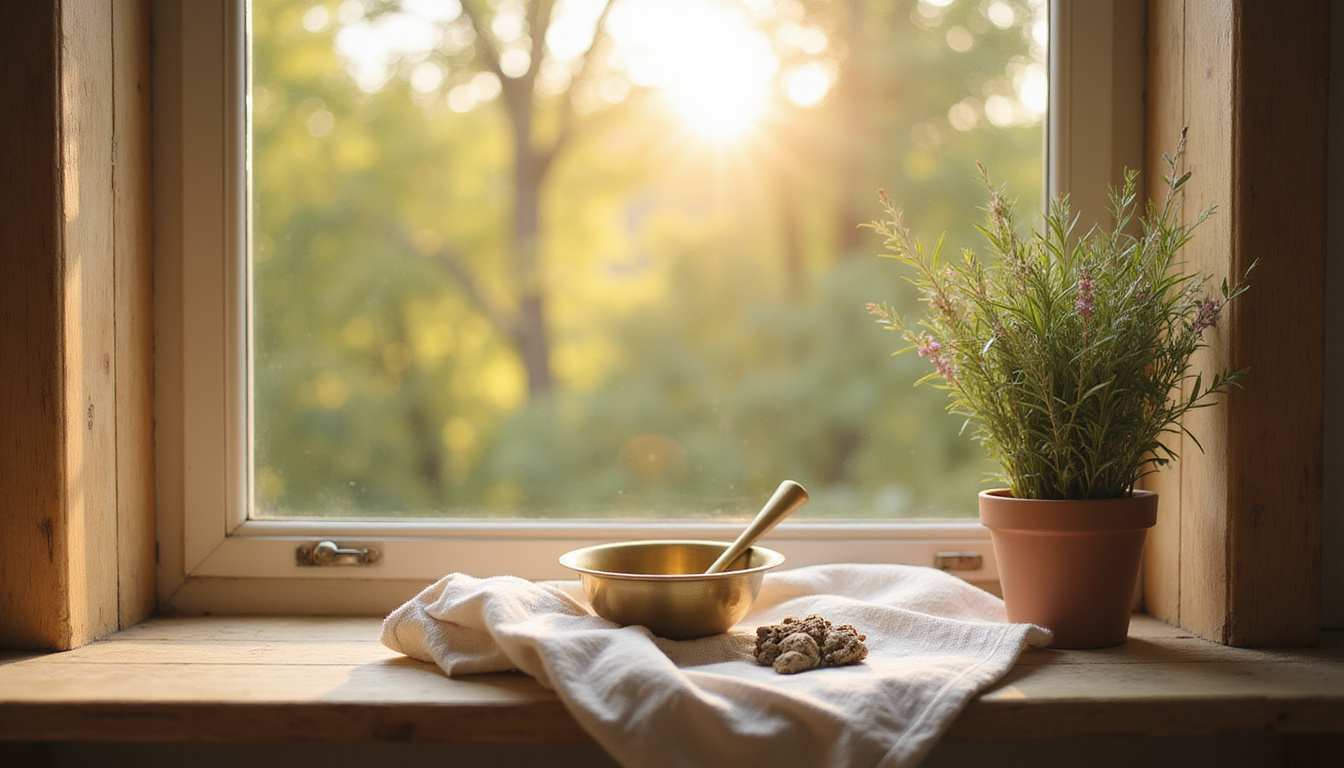
Step 6: Make Your Home Altar Sensory and Grounding
A truly calming altar appeals to more than just your eyes. Engage other senses to help your body shift into a quieter state.
Ideas to try:
- Smell: Incense, essential oil diffuser, or a lightly scented candle
- Sound: A small bell, singing bowl, or a simple playlist you always use at your altar
- Touch: A soft cushion or blanket, smooth stones, worry beads, or a textured cloth
This sensory consistency tells your nervous system, “We’re safe; it’s time to slow down.”
Step 7: Use Ritual to Bring It to Life
An altar becomes truly sacred when you use it. Your ritual doesn’t need to be elaborate; consistency matters more than complexity.
Here’s a simple daily rhythm:
- Light your candle or switch on your altar light.
- Take 3–5 slow breaths, noticing the physical space around you.
- Say a short phrase, prayer, or intention (e.g., “Today, I choose calm and clarity”).
- Spend a few minutes in silence, journaling, reading, or meditating.
- Extinguish the candle and offer a brief word of thanks.
You can adapt this for morning grounding, midday reset, or evening reflection—whatever works best for your life.
Quick Setup Ideas: A Home Altar in Minutes
If you’re short on time or space, these simple configurations can get you started right away.
1. Nightstand Altar
- Small candle or LED tealight
- A photo that comforts or inspires you
- A single stone or crystal
- A short affirmation card or verse
Sit on the edge of your bed for one minute in the morning and one minute at night, connecting with your intention.
2. Desk Corner Altar
- Tiny plant or succulent
- Inspirational quote or small framed artwork
- A grounding object (stone, wooden bead string, or stress ball)
Use it as a visual cue to pause between tasks, take a breath, and reset your focus.
3. Windowsill Nature Altar
- A bowl of collected nature items (leaves, shells, pinecones)
- A simple candle
- A glass of water you refresh daily
Stand at the window each day, look outside, and spend a moment in gratitude.
Minimalist vs. Maximalist: Matching Your Style
Your home altar should reflect your natural style.
Minimalist Altars work best if you crave calm through simplicity. Choose a neutral cloth, one or two objects, and lots of empty space. Focus on light and air.
Maximalist Altars suit those who feel energized by rich color and symbolism. Layer textiles, include multiple images or statues, and rotate items seasonally. Just keep it intentional rather than random clutter.
Both can be equally sacred. The “right” style is the one that helps you feel more like yourself.
Keeping Your Home Altar Fresh and Alive
Over time, your life and needs will shift. Let your home altar evolve with you.
- Dust and tidy it weekly as a small act of care.
- Refresh flowers, water, or offerings regularly.
- Swap in objects that match your current season—literal or emotional.
- If your practice changes, allow the symbols to change too.
If you stop using the space, don’t see that as failure. Simply ask what you need now and adjust accordingly.
FAQ: Home Altar Basics
1. How do I start a home altar for beginners?
Begin with a clean, small surface—a shelf, tray, or table. Add one light source (candle or lamp), one natural object (plant, stone, or shell), and one meaningful symbol (photo, book, or spiritual item). Keep it simple and spend a few minutes there each day so it becomes part of your routine.
2. What do you put on a spiritual altar at home?
A spiritual home altar can include candles, sacred texts, images or statues of deities or saints, prayer beads or malas, incense, fresh flowers, and personal items that connect you to your beliefs. Choose pieces that genuinely feel holy or important to you, rather than copying someone else’s setup.
3. Where should I place my home altar in a small apartment?
In a small space, a home altar can live on a floating shelf, the top of a dresser, a corner of your desk, or even inside a cabinet you open when you practice. Aim for a spot that’s relatively quiet and easy to access; use compact items and vertical arrangement to keep it functional and discreet.
Create Your Home Altar Today
You don’t need to wait for the “perfect” moment, room, or set of objects. With just a small surface, a candle, and one or two meaningful items, you can create a home altar that invites calm into your daily life.
Set aside ten minutes today: clear a spot, choose a few objects that speak to you, and arrange them with care. Then, take a slow breath and let that space remind you that you always have a place to return to—right where you are.
If you’d like, describe your space or intention, and I can help you design a personalized home altar layout tailored to your room, beliefs, and lifestyle.
Sacred objects often carry deep cultural and spiritual meaning. Learn how these symbols relate to history, spirituality, and the human mind by exploring more articles at SpiritualMindScience.com.