Horse symbolism runs deep through human history, stories, dreams, and personal experiences. From ancient cave paintings to modern films, horses carry meanings of freedom, power, loyalty, and spiritual transformation. Understanding horse symbolism can help you unlock insights about your inner world, your relationships, and the larger cultural myths that shape how we see ourselves.
Below, we’ll explore what horses have meant across cultures, what it may mean when horses appear in your dreams, and how to interpret encounters with horses in everyday life.
The Core Meanings of Horse Symbolism
While interpretations vary by culture and individual experience, several core themes show up again and again:
- Freedom and independence – Horses evoke wide-open plains, travel, and movement without restraint.
- Power and vitality – Their strength and speed symbolize life force, stamina, and physical or spiritual energy.
- Nobility and honor – Warhorses, royal steeds, and ceremonial horses stand for dignity, courage, and leadership.
- Guidance and journeying – Horses often represent the vehicle of a journey—literal, emotional, or spiritual.
- Instinct and wildness – Untamed horses mirror our primal drives, passions, and unbridled emotions.
Many personal interpretations grow out of these root meanings. How you perceive horses (as comforting, intimidating, mystical, or practical) will color your own understanding of their symbolism.
Horse Symbolism in Mythology and World Traditions
Across cultures, horses show up as sacred beings, divine messengers, and world-changing companions. A few of the most influential traditions:
Greek and Roman Horse Meanings
In Greek and Roman mythology, horses were deeply connected to gods and elemental forces:
- Poseidon/Neptune – God of the sea and earthquakes, he was also known as the creator of horses. Here, the horse symbolized raw, natural power and the unpredictable forces of nature.
- Pegasus – The winged horse born from Medusa’s blood symbolized inspiration, poetry, and spiritual elevation, rising above earthly struggles.
- Horses of the Sun – The chariot of Helios (and later Apollo) was drawn by powerful horses, associating them with light, life, and the daily renewal of the world.
In these myths, horses are not just animals; they are cosmic engines, carrying gods and symbolizing forces much larger than human life.
Norse and Celtic Perspectives
In Northern Europe, horse symbolism often merges with ideas of fate, death, and otherworldly travel.
- Sleipnir – Odin’s eight-legged horse in Norse mythology could cross realms, symbolizing shamanic travel, wisdom, and crossing between worlds.
- Celtic horse goddesses – Deities like Epona and Macha were linked to fertility, sovereignty, and protection, with horses seen as guardians of both the land and the people.
- Funerary horses – In Celtic and Germanic traditions, horses were sometimes buried with warriors, representing companionship into the afterlife and safe passage beyond death.
Here, horse symbolism leans toward transition, sacred kingship, and journeys between life and death.
Horses in Asian Traditions
In many Asian cultures, horses blend martial power with spiritual significance:
- Chinese culture – Horses symbolize success, speed, and perseverance. In feng shui, horse imagery is used to attract recognition and career progress. The Horse zodiac sign is associated with energy, independence, and charisma.
- Mongolian traditions – The horse is central to nomadic life and represents freedom, mobility, and identity. Spiritual songs and rituals often honor the horse as a partner rather than a mere animal.
- Hindu mythology – The white horse of Kalki (the future avatar of Vishnu) symbolizes the end of an era and the restoration of cosmic order, tying horses to renewal and spiritual justice.
Throughout Asia, the horse often stands for movement in life—social advancement, spiritual progression, and personal drive.
Indigenous and Native American Meanings
Among many Native American nations, the introduction of the horse transformed culture, warfare, and daily life. Symbolism evolved quickly:
- Power and prestige – Horses represented wealth, status, and martial strength.
- Spirit animals – As a totem or spirit helper, the horse could symbolize personal power, trust, and partnership with nature.
- Sacred ceremonies – Horses participated in rituals, carrying prayers and serving as bridges between humans and the spirit world.
Here, horse symbolism emphasizes relationship: the respectful bond between human and animal as a path to greater power and harmony.
Horse Symbolism in Dreams: What It Might Mean
Dreams are one of the most personal places where horse symbolism appears. While there’s no one-size-fits-all interpretation, some recurring patterns can guide you.
Common Dream Scenarios with Horses
-
Riding a horse confidently
- May signal alignment between your conscious mind and your instincts.
- Suggests you’re in control of your energy, desires, or life direction.
-
A wild, uncontrollable horse
- Could represent powerful emotions, passions, or impulses you’re struggling to manage.
- Sometimes signals repressed energy pushing to the surface.
-
A calm, gentle horse
- Often symbolizes trust, support, and emotional safety.
- May reflect a reliable relationship or your own grounded strength.
-
Falling off a horse
- Might point to lost control, setbacks, or fear of failure, especially in areas where you’ve been ambitious or bold.
- Can also highlight the need to slow down or reassess your direction.
-
A wounded or dying horse
- May indicate burnout, loss of motivation, or grief.
- Can symbolize a period where your life energy feels depleted and needs restoration.
-
A white horse in dreams
- Often linked to purity, spiritual growth, or protection.
- In some traditions, a white horse suggests a guide or benevolent presence.
-
A black horse in dreams
- May represent mystery, the unconscious, or taboo desires.
- Not necessarily negative—often a sign of powerful, hidden potential.
How to Interpret Your Horse Dreams Personally
To make sense of horse symbolism in your dreams, consider:
- Your real-life attitude toward horses – If you love them, they may appear as helpers; if you fear them, they may reflect anxiety or overwhelm.
- The mood of the dream – Excitement, fear, calm, or sadness can dramatically change the meaning.
- Current life issues – Are you facing career decisions, relationship changes, or a need for freedom? Your dream horse often mirrors these themes.
Recording dreams in a journal and noting repeated horse imagery can reveal patterns about your emotional life and personal growth.
Horses as Spirit Animals and Totems
For many people, the idea of a horse as a spirit animal or totem offers a way to understand recurring connections with horse imagery.
If the horse is your primary symbol, you may:
- Value independence and personal freedom.
- Feel a strong drive to explore, travel, or push beyond limits.
- Possess high levels of energy and passion, sometimes struggling with restlessness.
- Be drawn to leadership or roles where you “carry” others forward.
A horse totem also encourages:
- Balance between power and gentleness – Knowing when to charge ahead and when to stand calmly.
- Mutual respect – Building relationships based on trust, not control.
- Emotional honesty – Recognizing and expressing your true desires instead of suppressing them.
If horses often appear in your meditations, artwork, or important life moments, reflecting on horse symbolism can help you better understand your direction and values.
Color, Number, and Type: Nuances in Horse Symbolism
Not all horses carry the same symbolic weight. Details matter.
Horse Colors and Their Meanings
While interpretations vary by culture, these broad themes are common:
- White horses – Purity, spiritual guidance, protection, new beginnings.
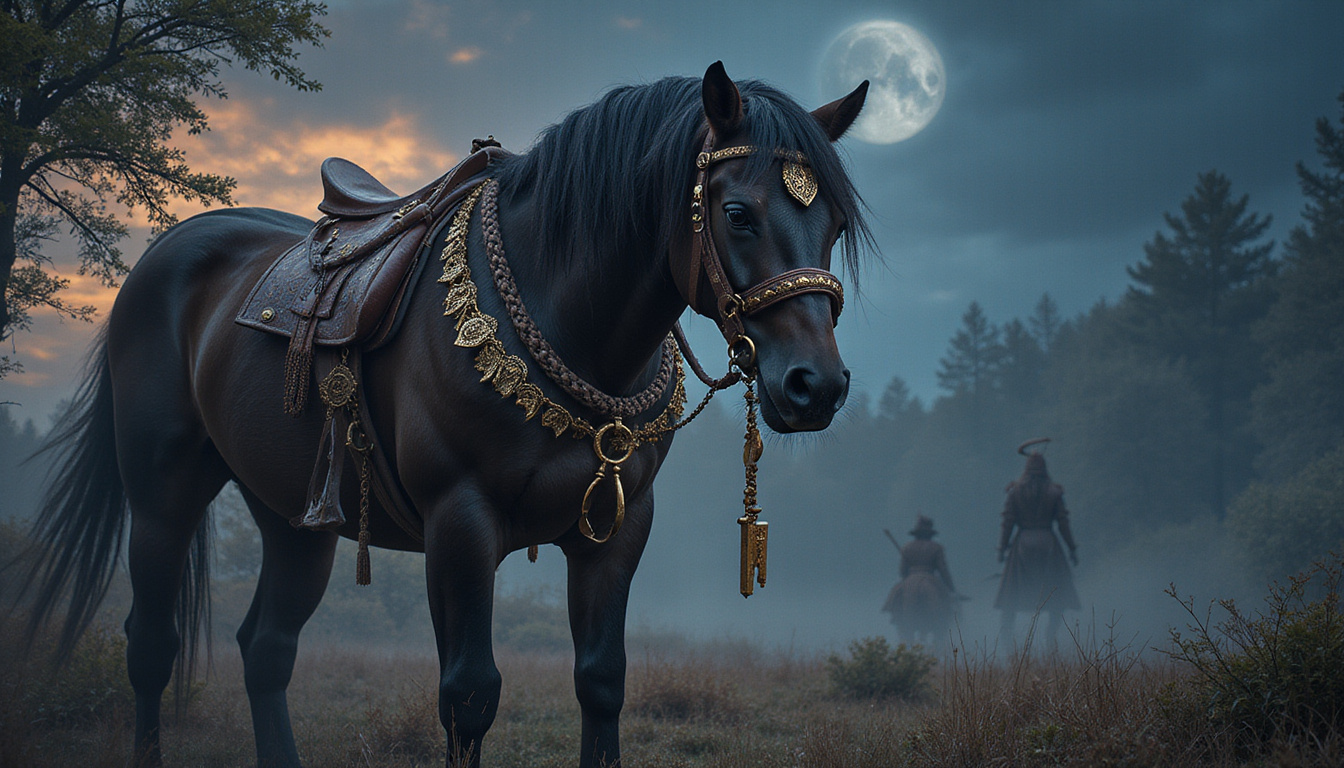
- Black horses – Mystery, transformation, the unknown, primal power.
- Brown or bay horses – Groundedness, reliability, everyday strength.
- Gray horses – Transition, aging, wisdom, neutrality.
- Red or chestnut horses – Passion, intensity, creativity, fiery emotions.
Number of Horses
- Single horse – Individual journey, personal power, solitary freedom.
- Pair of horses – Partnership, balance of opposing forces (e.g., logic and emotion).
- Team of horses – Collective effort, community support, coordinated power.
Types of Horses
- Warhorses – Courage, discipline, readiness for challenge.
- Draft horses – Endurance, service, steady effort, humble strength.
- Racehorses – Competition, ambition, risk, and the drive to excel.
- Wild horses – Untamed spirit, rebellion, authenticity.
When horse symbolism shows up—whether in art, dreams, or real life—these nuances can refine your interpretation.
Horse Symbolism in Modern Life and Pop Culture
Even in a world of cars and airplanes, horses still captivate our imagination.
- Films and books – Stories like “Black Beauty,” “Spirit: Stallion of the Cimarron,” and countless Westerns frame the horse as an emblem of freedom, loyalty, and resilience.
- Sports and racing – Horse racing and equestrian sports highlight skill, strategy, and partnership between human and animal.
- Therapeutic settings – Equine-assisted therapy uses horses to help people process emotions, trauma, and relationship patterns, reinforcing the horse as a mirror for human inner life (source: PATH Intl.).
In daily language, phrases like “horsepower,” “workhorse,” and “hold your horses” quietly remind us how deeply these animals are woven into our understanding of power, patience, and productivity.
Working with Horse Symbolism in Your Own Life
If you feel drawn to horse symbolism, you can engage with it intentionally:
- Meditation or visualization – Imagine riding or walking beside a horse; notice how it moves, how you feel, and what landscapes you travel through.
- Creative expression – Paint, write, or craft horse-inspired art to explore themes of freedom, power, or healing.
- Journaling – When horses appear in dreams, films, or daily life, capture the context and your feelings. Over time, patterns will emerge.
- Mindful observation – If you’re around real horses, watch how they respond to boundaries, fear, and trust. Their behavior can offer insights about your own.
By making space for this symbol in your inner world, you transform horse imagery from a vague archetype into a personal guide.
FAQ: Common Questions About Horse Symbolism
1. What does it mean spiritually when you keep seeing horses?
Seeing horses repeatedly—whether in media, art, or real life—may signal a spiritual call toward greater freedom, authenticity, or empowerment. Many traditions view recurring horse imagery as an invitation to harness your inner strength, move through fear, and pursue a path that feels more aligned with your true self.
2. What does a white horse symbolize in dreams and spirituality?
White horse symbolism is often linked to purity, protection, and spiritual awakening. In dreams, a white horse can represent a guiding presence, a new phase of life, or a call to elevate your perspective. Spiritually, it may suggest you’re being supported in letting go of old patterns and stepping into a clearer, more honest way of living.
3. Is a black horse a bad omen, or does black horse symbolism have a positive side?
Black horse symbolism is not automatically negative. While it can relate to the unknown, hidden desires, or shadow aspects of the self, it also points to deep transformation and untapped power. A black horse may urge you to confront fears, explore your unconscious, and reclaim aspects of yourself you’ve kept in the dark.
Embrace Horse Symbolism as a Guide to Your Own Journey
Horses have carried humanity—literally and symbolically—across continents, through wars, and into new eras. When horse symbolism appears in your dreams, stories, or daily life, it’s often a sign that themes of freedom, power, vulnerability, and transformation are active in your own story.
If you’re ready to work more consciously with these meanings, start by paying attention: note when and how horses show up, how they make you feel, and what’s happening in your life at the time. From there, let the symbol lead you deeper.
Use horse symbolism as a catalyst: to question where you feel fenced in, where your energy wants to run free, and how you might partner more wisely with your own strength. By listening to what the horse represents for you, you step into a more intentional, powerful relationship with your own life’s journey.
Animals have inspired symbols and beliefs across cultures for centuries. Discover how these traditions connect with psychology, spirituality, and human consciousness at SpiritualMindScience.com.