Say you just told a friend, “I haven’t been sick all year,” and then, almost automatically, you reach over and knock on wood. You don’t really believe a piece of furniture controls your health—yet you still do it. That tiny tap is part of a much larger story about how superstitions shape everyday decisions, often without our awareness.
This article digs into why superstitions like “knock on wood” still influence modern, rational people, what’s going on in your brain when you follow them, and how they can subtly steer your choices—for better and for worse.
Where “Knock on Wood” Comes From (And Why It Stuck)
The exact origin of “knock on wood” isn’t perfectly clear, but there are a few leading theories:
-
Ancient tree spirits
Some historians trace the practice back to ancient pagan cultures in Europe. Trees—especially oaks and yews—were seen as sacred, inhabited by spirits or gods. Knocking on the trunk could:- Ask for protection
- Thank the spirits for good fortune
- Prevent evil forces from overhearing your plans
-
Christian relics and the “True Cross”
Another theory points to medieval Christianity, where touching wood was associated with touching the wood of the cross. “Touch wood” in British English may have roots in this idea of seeking divine protection. -
Children’s games and folk traditions
In the 19th century, British and American children’s games often included rules like gaining safety by touching wood. Adults could have carried the habit forward, turning play into superstition.
Whatever the true origin, two things made “knock on wood” survive:
- It’s simple and low-effort
- It offers a tiny feeling of control over uncertain outcomes
That small sense of control is the real power behind most superstitions.
Why Rational People Still Follow Irrational Rituals
If you’re logical and educated, why do you still avoid “jinxing” something? Psychologists point to a few major reasons.
1. The Brain Hates Uncertainty
Humans are wired to reduce uncertainty and anxiety. We want to believe:
- Good things happen for a reason
- Bad things can be prevented with the right actions
Superstitions, including “knock on wood,” provide a quick way to feel safer when you can’t actually control the outcome—like:
- A job interview
- A health scare
- Waiting for exam results
- A big date or important meeting
That sense of reduced anxiety feels real, even if the cause isn’t.
2. Illusion of Control
Psychologist Ellen Langer coined the term “illusion of control” to describe how people overestimate their influence on outcomes that are actually random (source: American Psychological Association).
Knocking on wood gives you:
- A physical action that marks your wish or hope
- A feeling that you’ve “done something” about the risk
- A subtle sense of agency in situations where you have little
The brain often prefers false control to no control.
3. Confirmation Bias: Remembering the Hits, Forgetting the Misses
Here’s how the pattern usually plays out:
- You knock on wood, and the good thing does happen. You remember that.
- You knock on wood, and the good thing doesn’t happen. You blame bad luck or other factors.
- You don’t knock on wood, and something bad happens. You think, “I knew I shouldn’t have said that out loud!”
We’re naturally drawn to stories that make sense. Superstitions provide those stories.
How “Knock on Wood” Actually Changes Your Decisions
Superstitions might feel harmless, but they can influence real behavior more than most people recognize.
You Take Slightly Bigger Risks (Or Fewer)
Studies on athletes, students, and gamblers show that lucky rituals can:
- Boost confidence
- Increase risk-taking
- Improve performance indirectly through lower anxiety
In practical terms:
- After you knock on wood and say, “This quarter should be our best yet,”
you might feel more confident about a bold strategy. - After saying “We’ve never had a major accident,” and then knocking on wood,
you may calm down instead of tightening safety protocols.
The ritual doesn’t cause the outcome—but it can nudge the choices that lead to it.
You Delay Real Action
When you’re worried but don’t want to face something:
- Knocking on wood can become a substitute for preparation.
- You may feel like you’ve already “done something,” so you postpone:
- Seeing a doctor
- Updating your résumé
- Reviewing your finances
- Studying properly for an exam
The ritual soothes your anxiety, but it doesn’t solve the problem.
You Reinforce Habit Loops
Every time your brain feels:
- Anxiety (“I hope nothing goes wrong.”)
- Relief (after you knock on wood)
…you reinforce a habit loop:
- Trigger: Talking about the future or good luck
- Behavior: Knocking on wood
- Reward: Reduced anxiety
Over time, you do it automatically—even if you don’t fully believe in it.
The Psychology Behind Superstitions Like “Knock on Wood”
To really understand the power of superstitions, it helps to zoom in on what they do in your mind.
1. They Give Shape to Invisible Fears
Many fears are abstract:
- “What if something bad happens to my family?”
- “What if I fail?”
- “What if I get sick?”
A small ritual:
- Puts a boundary around those fears
- Makes them feel manageable
- Provides a moment of comfort
It’s like a mental “safety blanket,” especially in cultures where admitting fear or anxiety is discouraged.
2. They Create a “Just in Case” Safety Net
You might not fully believe, but you might think:
“It doesn’t hurt to knock on wood—just in case.”
That “just in case” logic is powerful. It keeps the ritual alive because:
- The cost is tiny
- The psychological payoff is real
- The risk of not doing it feels vaguely uncomfortable
3. They Tie You to a Group
Superstitions are also social glue. Shared rituals—whether religious, cultural, or casual like “knock on wood”—signal:
- “I’m part of this group.”
- “I understand your references.”
- “I share your fears and hopes.”
When everyone in your family, office, or friend group does it, not doing it can feel strange—so you join in for belonging as much as belief.
Common Superstitions That Shape Everyday Choices
“Knock on wood” is just one among many superstitions that nudge behavior. Others include:
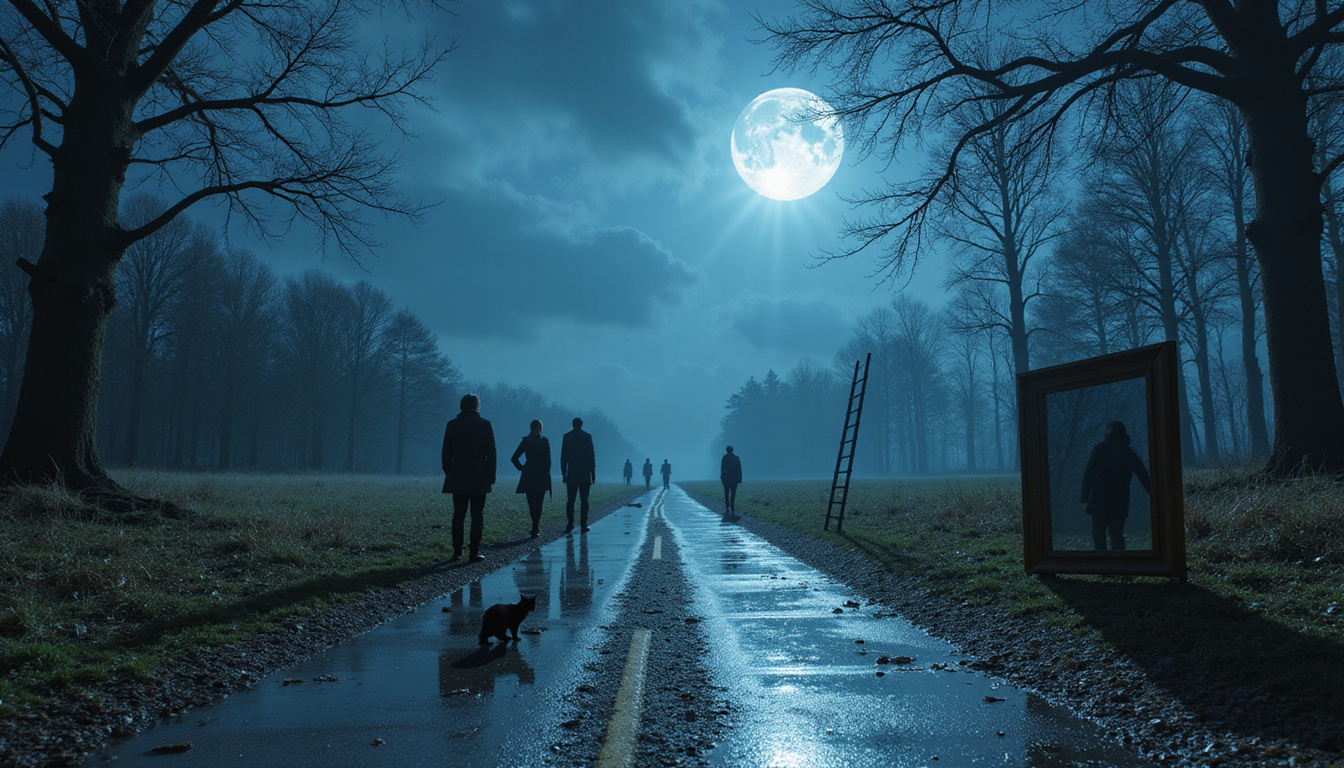
- Avoiding walking under ladders
- Throwing salt over your left shoulder
- Not opening umbrellas indoors
- Carrying a lucky charm (necklace, coin, bracelet)
- Not talking about something good before it’s finalized
- Avoiding certain numbers (like 13 or 4) when booking rooms, seats, or dates
These habits can directly affect:
- Travel plans (choosing flights or hotel rooms)
- Business decisions (launch dates, office numbers)
- Personal milestones (wedding dates, contract signings)
You rarely say, “I’m doing this because I’m superstitious.” You just feel a tug in one direction and follow it.
When Superstitions Are Helpful vs. Harmful
Not all superstitions are equal. Some are fairly harmless; others can quietly get in your way.
Potential Benefits
Used consciously and in moderation, superstitions can:
- Lower anxiety in high-pressure moments
- Boost confidence (“My lucky socks are on; I’ve got this.”)
- Provide comfort during uncertainty
- Create bonding rituals with others (pre-game rituals, family traditions)
In performance settings—sports, public speaking, exams—a calming ritual can indirectly improve results by settling nerves.
Potential Downsides
Superstitions become a problem when they:
- Block rational decisions
- Refusing an ideal apartment “because it’s on the 13th floor”
- Delaying medical tests until a “lucky day”
- Increase anxiety if you can’t do the ritual
- Feeling panicked because there’s nothing wooden nearby to knock on
- Shift responsibility away from real causes
- Blaming bad luck instead of addressing real issues (habits, skills, preparation)
The core question:
Is this ritual supporting my choices—or silently controlling them?
How to Keep Superstitions From Running Your Life
You don’t have to abandon “knock on wood” entirely. But you can make sure it serves you—not the other way around.
1. Notice When You Do It
Start by simply observing:
- When do you knock on wood?
- What did you just say or think?
- How anxious did you feel beforehand?
Awareness doesn’t require judgment. It just turns an automatic reflex into a conscious choice.
2. Pair Rituals With Real Action
If you like your superstition, keep it—but add something practical:
Instead of:
- “I’ve never missed a flight… knock on wood.”
Try:
- “I’ve never missed a flight… knock on wood… and I’ll set two alarms just in case.”
The ritual eases anxiety; the action changes outcomes.
3. Replace Fear-Based Habits With Confidence Habits
If you realize you’re relying too much on luck or ritual, experiment with new, evidence-based “superstitions”:
- A pre-meeting checklist
- A pre-sleep wind-down routine
- A pre-presentation breathing exercise
Over time, these become your “lucky rituals”—rooted in skills and preparation instead of magical thinking.
FAQ About “Knock on Wood” and Superstitions
1. Why do people knock on wood for good luck?
People knock on wood to avoid “jinxing” themselves after mentioning good fortune or hopeful outcomes. Historically, it may have been tied to spirits in trees or religious relics, but today it mostly serves as a quick anxiety reliever and a way to feel some control over uncertain events.
2. Is saying “touch wood” the same as “knock on wood”?
Yes, “touch wood” is a common British and Commonwealth variation of “knock on wood.” Both phrases reflect the same basic superstition: that touching or knocking on wood protects against bad luck after mentioning something positive.
3. Are superstitions like knocking on wood harmful?
Most of the time, they’re harmless and can even be mildly helpful by reducing stress. They become harmful when they:
- Replace real preparation or action
- Make you avoid rational decisions
- Cause distress if you can’t perform the ritual
The key is using them consciously, not letting them secretly make choices for you.
Take Back the Steering Wheel From Your Superstitions
The next time you hear yourself say something optimistic and feel the urge to knock on wood, pause for a second. You don’t have to stop the ritual—but you can ask:
- “What am I actually afraid of here?”
- “Is there anything real I could do—beyond this tap—to improve the odds?”
- “Am I choosing my actions, or just soothing my nerves?”
Superstitions will probably always be part of human life. They’re ancient, comforting, and often kind of fun. But your decisions—your career moves, your health choices, your relationships—don’t have to be ruled by them.
If you’re ready to shift from “just hoping it works out” to actively shaping your outcomes, start by examining the small rituals that guide your days. Keep the ones that support your confidence, and replace the rest with practical habits that create real change.
Your future doesn’t live in a piece of wood. It lives in the choices you make after you tap it.
Cultural superstitions have shaped traditions and beliefs for generations. Explore the psychology, cultural history, and science behind these fascinating practices at SpiritualMindScience.com.