If you have a bay leaf jar that never seems to empty, you’re not alone. Many home cooks toss a leaf or two into soup “because the recipe says so,” without really knowing why—or how to get the most out of this quietly powerful herb. Used well, bay can transform everyday dishes with deep, rounded, savory flavor. Used poorly, it just…floats around.
This guide walks you through smart, practical bay leaf hacks that actually change how your food tastes—so that little leaf finally earns its spot in your spice cabinet.
Why Bay Leaf Matters More Than You Think
Bay leaves don’t shout like garlic or chili; they whisper in the background. Their job is to:
- Add subtle herbal notes (piney, floral, slightly minty)
- Deepen savory flavors (soups, stews, braises)
- Smooth harsh edges from acidity, bitterness, and heavy seasonings
Chemically, bay leaves contain aromatic compounds like eugenol and cineole, which slowly infuse into hot liquid and fat, building complexity over time (source: McCormick Science Institute).
If you’ve ever thought “I don’t notice a difference with bay,” you probably just aren’t using it in the best ways—or in the right amount.
Hack #1: Toast Your Bay Leaf Before Adding Liquid
One of the easiest ways to upgrade flavor: toast your bay leaf instead of dropping it straight into liquid.
How to toast bay leaves
- Place a dry pan over low to medium-low heat.
- Add whole bay leaves (no oil).
- Toast 30–60 seconds per side until fragrant and just starting to curl or darken slightly at the edges.
- Immediately add to your pot with oil, onions, or other aromatics.
Toasting helps:
- Wake up the essential oils in dried leaves
- Add a subtle roasted note
- Make the bay more noticeable in the finished dish
Use this trick for soups, stews, beans, and sauces—any recipe that simmers for 20+ minutes.
Hack #2: Use the Right Type of Bay Leaf (It Matters!)
Not all bay leaves taste the same. The two most common culinary types:
-
Turkish (Mediterranean) bay leaf
- Milder, more floral
- Classic “background” bay flavor
- Best all-purpose choice
-
California bay leaf
- Stronger, more menthol/eucalyptus-like
- Can taste sharp or medicinal if overused
- Use fewer leaves or shorter simmer times
If your bay leaf has an intense, almost Vicks-like aroma, you likely have California bay. In that case, cut the number of leaves in half or reduce cooking time so it doesn’t overpower your dish.
Hack #3: Double the Bay—But Time It Right
One of the most common mistakes: using too few bay leaves in a big pot. For a standard 4–6 quart pot of soup or stew, you usually want:
- 2–3 Turkish bay leaves
- Or 1–2 California bay leaves
For deeper flavor, try this two-stage bay method:
- Add 1–2 bay leaves at the beginning of cooking.
- Add 1 more fresh leaf in the last 20–30 minutes.
The early leaves build a baseline flavor; the later one adds brighter, fresher aromatics that haven’t fully cooked off.
Remember to remove the leaves before serving—they’re tough and sharp-edged when bitten.
Hack #4: Boost Beans, Lentils, and Grains with Bay
If you only use bay leaf in classic soups, you’re missing its superpower: turning plain starches into something you actually want to eat on their own.
Add bay leaf to:
- Beans from scratch – 2–3 leaves in the cooking water
- Lentils – 1–2 leaves plus garlic and onion
- Rice and pilafs – 1 leaf per cup of rice in the pot or rice cooker
- Barley, farro, quinoa, bulgur – 1–2 leaves per cup of dry grain
Bay complements earthy flavors beautifully and makes “simple” sides taste like they came from a restaurant kitchen.
Pro tip: Add bay at the beginning of cooking grains or beans, and remove just before serving or storing.
Hack #5: Make a Quick Bay Leaf-Infused Oil or Butter
Bay shines when it has time to infuse into fat. That’s where its flavor clings and carries.
Simple bay leaf oil
- Add 4–6 dried bay leaves to 1 cup neutral oil or olive oil.
- Warm gently over low heat for 10–15 minutes (don’t let it simmer hard).
- Turn off heat; cool completely.
- Strain and store in a clean bottle or jar in the fridge for up to 1–2 weeks.
Use your bay leaf oil to:
- Sauté onions and garlic
- Drizzle over roasted potatoes or vegetables
- Finish soups and stews
- Toss with pasta, beans, or grilled bread
Simple bay leaf butter
- Melt ½ cup butter with 3–4 bay leaves over very low heat.
- Simmer gently for 5–10 minutes, swirling occasionally.
- Let cool slightly, remove leaves, and chill.
Use it on:
- Mashed potatoes
- Grilled or roasted fish
- Steamed vegetables
- Popcorn (yes, really)
Hack #6: Build Better Broths, Stocks, and Stews
Bay leaf was made for long-simmered dishes. It lifts heavier flavors, making them taste richer but less cloying.
Add bay to:
- Chicken, vegetable, or beef stock
- Chili and hearty stews
- Bolognese and other meat sauces
- French onion soup
- Jambalaya and gumbo
Simple ratio: 1–2 leaves per quart (liter) of liquid.
For stock: Add bay with the bones/vegetables and let it go the full simmer time. For sauces: Start with 1 or 2 leaves and taste after 30–40 minutes to decide if you want one more.
Hack #7: Turn Bay Leaf into a Flavor “Bundle” with Other Aromatics
Food tastes better when flavors layer. Bay is fantastic in the classic aromatic combo known as bouquet garni or mirepoix.
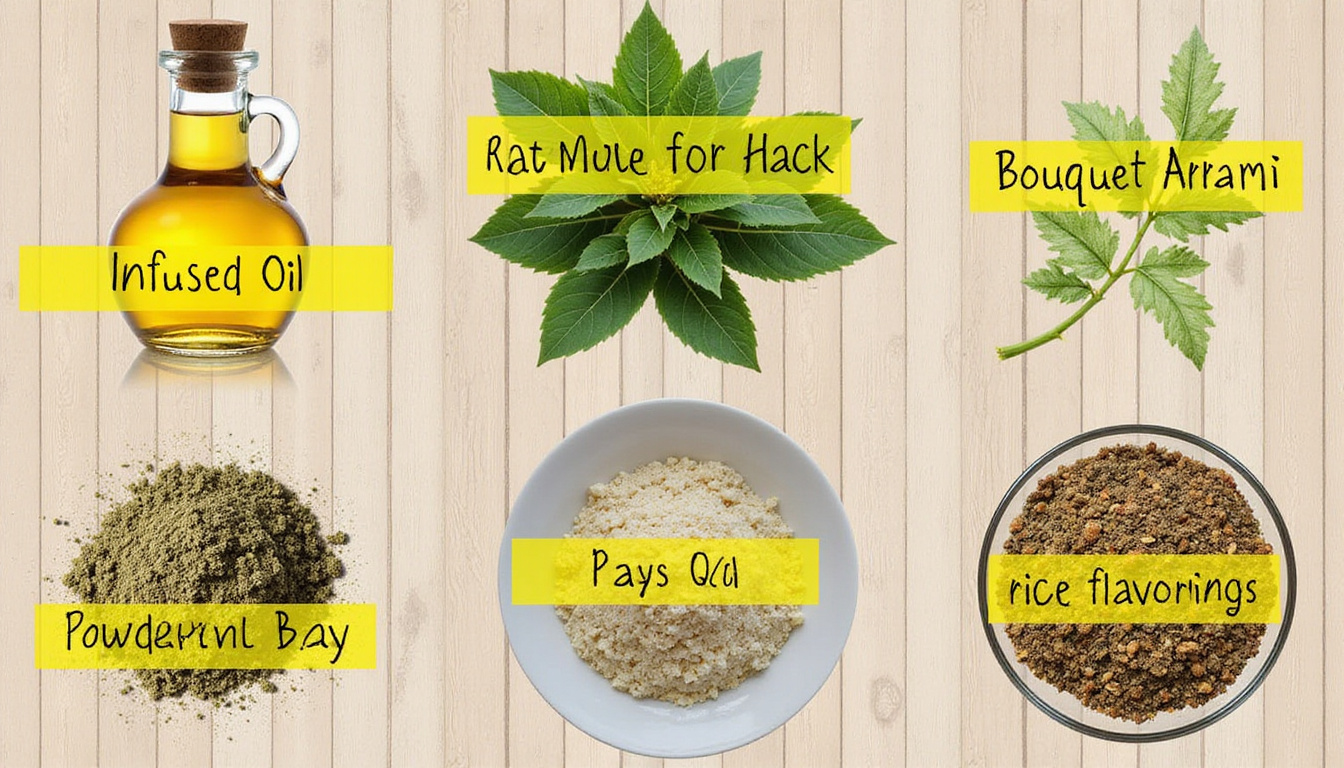
Classic bay leaf flavor bundle
When you sauté or simmer:
- 1 chopped onion
- 1–2 carrots, diced
- 1 stalk celery (optional)
- 2–3 garlic cloves
- 1–2 bay leaves
- Plus thyme or rosemary if you like
Cook these together in oil or butter as your base for soups, sauces, casseroles, and braises. Bay helps tie all the flavors together into something cohesive and polished.
You can also tie bay leaves with thyme sprigs and parsley stems in kitchen twine for an easy-to-remove bundle.
Hack #8: Use Bay Leaf in Brines, Pickles, and Marinades
Bay doesn’t only belong in hot dishes. It’s great in cold or room-temperature infusions too.
Where bay leaf works beautifully:
- Chicken or turkey brine – 3–5 leaves per gallon
- Pickling liquid – 1–2 leaves per jar of cucumbers, onions, beets, or carrots
- Marinades – add 1–2 crumbled leaves to vinegar- or wine-based marinades for pork, lamb, or beef
- Olive and cheese marinades – bay + citrus peel + garlic + olive oil
In these applications, bay leaf adds a gentle herbal backbone that makes everything taste a little more “finished” and less one-note.
Hack #9: Move Beyond Savory—Try Bay Leaf in Sweets and Drinks
Bay leaf isn’t just for soups and stews. Its floral, slightly spicy notes play surprisingly well with sugar and dairy.
Sweet and drink ideas:
- Bay-infused simple syrup – simmer 1 cup water + 1 cup sugar + 2–3 bay leaves for 5–10 minutes; cool, strain, use in cocktails or iced coffee.
- Bay custard or panna cotta – steep 2–3 bay leaves in warm milk/cream, then strain before using.
- Bay-spiced poached pears or apples – add 2–3 leaves to poaching liquid with cinnamon and lemon.
- Tea or hot toddy – add 1 bay leaf while brewing black tea or warming a honey-lemon drink.
Start with one leaf for desserts and drinks so bay doesn’t dominate; you can always add more next time.
Hack #10: Check Freshness and Store Your Bay Leaves Properly
If your bay leaf jar has been around since your first apartment, it’s probably past its prime.
How to test bay leaf freshness
- Crush a leaf between your fingers.
- Smell it.
- You should notice a clear herbal, slightly floral, almost piney aroma.
If it smells like nothing—or like cardboard—it’s time to replace it.
Storage tips
- Keep in an airtight container.
- Store in a cool, dark place away from the stove.
- For long-term storage, keep a portion in the freezer; use from frozen.
Properly stored, dried bay leaves can keep good flavor for about 1–2 years.
Quick Reference: Everyday Ways to Use Bay Leaf
Here’s a simple list you can reference when you’re wondering where that bay leaf belongs:
- Simmered soups and stews (2–3 leaves per pot)
- Homemade stocks and broths
- Beans, lentils, and chickpeas while cooking
- Rice and grains for a subtle aromatic base
- Tomato sauces and braises
- Pickles and brines for meat or vegetables
- Infused oils and butters for finishing dishes
- Gentle desserts and drinks (custards, syrups, hot drinks)
If there’s a pot simmering on your stove for more than 20 minutes, there’s a good chance a bay leaf belongs in it.
FAQ: Getting the Most from Your Bay Leaf
Q1: What does bay leaf actually do to food?
Bay leaf adds subtle herbal and slightly floral notes while rounding out strong flavors. It enhances the savory character of dishes, especially those that simmer for a long time, making them taste deeper and more complex without being obviously “herby.”
Q2: Can I substitute fresh bay leaf for dried bay leaf?
Yes. Fresh bay leaves are often brighter and a bit more intense. Use one fresh leaf for every two dried leaves, and consider slightly shorter simmer times so the flavor doesn’t become overpowering—especially if you’re using California bay.
Q3: Is it safe to eat a bay leaf in soup?
Bay leaves are technically edible, but they stay tough and can have sharp edges. They’re not poisonous, but they’re unpleasant and can be a minor choking hazard. Always remove each bay leaf before serving or ladling soup into bowls.
Harnessing the full potential of bay leaf doesn’t require fancy techniques—just a bit of attention and intention. Toast your leaves, use the right type in the right amount, and start slipping them into beans, grains, brines, and even desserts. The more you play with bay, the more you’ll notice when it’s missing.
Next time you’re at the stove, don’t let your bay leaves sit in the cupboard untouched. Grab a few, try one or two of these hacks in tonight’s dinner, and taste how a simple leaf can bring instant, effortless flavor to your everyday cooking.
Throughout history, many plants and herbs have been associated with luck, protection, and prosperity. To explore their deeper spiritual, psychological, and scientific significance, visit SpiritualMindScience.com.