Animal symbolism art runs like a hidden current through human culture. From prehistoric cave walls to contemporary digital illustration, artists have turned to animals to express power, fear, love, spirituality, and identity. When you start to recognize the patterns of animal symbolism art, entire new layers of meaning emerge from paintings, sculpture, tattoos, and even brand logos.
This guide will help you decode that “secret language” so you can look at artworks with fresh eyes, understand what artists are really saying, and use symbolic animals more intentionally in your own creative work.
Why Animals Became Powerful Symbols in Art
Before written language, images were the primary way humans preserved stories and beliefs. Animals—dangerous, beautiful, mysterious—were everywhere in early human life. It’s no surprise that:
- Hunters painted bison and deer to call in abundance.
- Shamans envisioned spirit animals as guides between worlds.
- Rulers chose lions, eagles, or dragons to project authority.
Over centuries, these visual traditions solidified into recognizable codes. A lamb standing with a halo means innocence or sacrifice in Christian art; a crane in East Asia suggests longevity and good fortune; a scarab beetle in ancient Egypt signals rebirth and the rising sun (source: The Metropolitan Museum of Art).
Animal symbolism art persists today because it is:
- Immediate – We react instinctively to animals: fear, awe, affection.
- Flexible – The same animal can hold multiple meanings in different cultures.
- Memorable – Simple silhouettes (lion, wolf, butterfly) are easy to remember and reuse.
Universal Animal Archetypes: What Creatures Commonly Represent
While meanings shift across regions, some broad archetypes appear again and again in animal symbolism art. Think of these as starting points, not rigid rules.
Predators: Power, Protection, Shadow
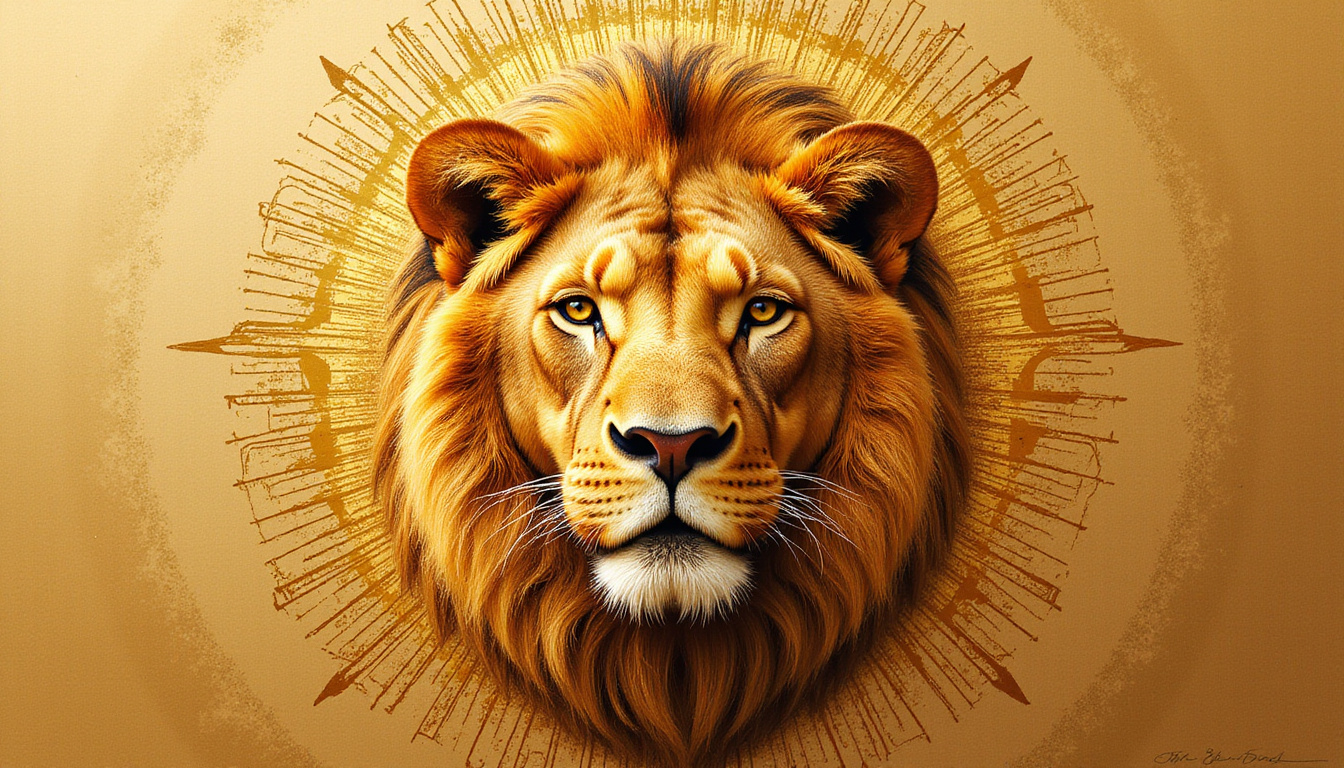
- Lion – Royalty, strength, courage, solar energy, and leadership. In Western art, a lion near a throne conveys sovereignty; in African cultures, it can also embody protective ancestral power.
- Wolf – Dual symbol: loyalty, pack bonds, and guidance (as in the “lone wolf” guide), but also wildness, danger, or social outcast energy. Popular in tattoo and fantasy art.
- Eagle / Hawk – Vision, authority, and connection to the sky. In many cultures, birds of prey symbolize the soul’s higher perspective and the ability to see truth from afar.
Domestic Animals: Care, Humility, Everyday Life
- Dog – Loyalty, guardianship, and companionship. In Renaissance animal symbolism art, a dog at a woman’s feet often indicates marital fidelity.
- Cat – Independence, mystery, sensuality, and sometimes witchcraft or magic in Western imagery; in ancient Egypt, cats were protectors and semi-divine beings.
- Cow / Ox – Nurturing, abundance, and labor. Sacred in many Indian traditions, cows can also symbolize patient endurance and the body’s life-giving capacity.
Creatures of Transformation
- Butterfly – Metamorphosis, soul, and personal growth. Often used in art dealing with grief, healing, or spiritual awakening.
- Snake – Renewal, knowledge, and danger. It sheds its skin (rebirth) but also appears in stories of temptation and forbidden wisdom.
- Frog – Transition, liminality, and luck. Depicted in rain and fertility rituals or as a messenger between land and water worlds.
Hybrid and Mythical Beasts
Mythical beasts may not exist in nature, but in animal symbolism art they crystallize complex human ideas:
- Dragon – In East Asian art, a wise, rain-bringing power and imperial authority. In many Western tales, dragons embody chaos, greed, or primal fear that must be conquered.
- Phoenix – Death and rebirth, resilience, and immortality through transformation.
- Griffin (lion + eagle) – Guardian of treasure, a fusion of courage and far-sighted wisdom.
How Different Cultures Shape Animal Symbolism
The same animal can carry radically different meanings in different traditions. Understanding this cultural context is essential for interpreting and creating animal symbolism art respectfully.
East Asia
- China – The twelve zodiac animals (rat, ox, tiger, etc.) map personality and destiny. Dragons are auspicious; cranes symbolize longevity; koi fish indicate perseverance and success.
- Japan – Foxes (kitsune) can be clever tricksters or sacred messengers of the rice deity Inari. Carp, cranes, and turtles recur in prints as icons of endurance and long life.
South Asia
- India – Many gods are linked to animal “vehicles” (vahanas): Ganesha with the mouse (humility), Durga with the lion or tiger (power). The cow is revered as a life-giving, maternal presence.
Europe and the West
- Medieval and Renaissance art – Bestiaries cataloged animals with moral lessons: pelicans as symbols of self-sacrifice, unicorns as purity, owls sometimes as wisdom but also as sinister night-watchers.
- Modern Western culture – The bald eagle (United States) or bear (Russia) represent national identity; corporate branding leans on animals for emotional shorthand (owls for learning, bulls for strength and markets).
Indigenous Traditions
Indigenous animal symbolism art is highly localized and rooted in land-based knowledge:
- Native American traditions often view animals as relatives or teachers—e.g., coyote as trickster, buffalo as sacred abundance, salmon as resilience. Totem poles encode clan stories through stacked animal figures.
- Aboriginal Australian art uses animal tracks and silhouettes to map stories, songlines, and ecological relationships, not just “icons.”
When working with these symbols, it’s important to research carefully and avoid superficial or appropriative use of sacred imagery.
Reading Animal Symbolism in Paintings and Visual Art
To decode animal symbolism art in a specific piece, move beyond “lion = courage” and look at how the animal functions inside the image.
Ask yourself:
-
Where is the animal placed?
- At the subject’s feet (symbolic support or attribute)?
- Overhead (spiritual guide, divine approval)?
- In the background (context, environment)?
-
What is the animal doing?
- Sleeping or alert?
- Attacking or protecting?
- Transforming (molting, hatching, flying away)?
-
How is it stylized?
- Realistic vs. abstract or exaggerated?
- Warm, friendly colors or harsh, high-contrast tones?
- Blended with human forms (e.g., animal masks, hybrid bodies)?
-
What other symbols surround it?
A snake with an apple tells a different story than a snake encircling a staff (medical symbol, healing). A raven at a battlefield means something different than a raven in a library. -
What was the artist’s cultural and historical context?
A crow in a 17th‑century Dutch vanitas painting (mortality) doesn’t mean the same thing as a crow in a contemporary Indigenous work (ancestor or messenger).
With practice, you’ll begin reading animal symbolism art as a layered visual narrative rather than a simple “dictionary of meanings.”
Using Animal Symbolism in Your Own Art
If you’re an artist, designer, or tattoo client, animal symbols can become a powerful vocabulary for expressing your story—if you choose and use them thoughtfully.
Step 1: Clarify Your Message
Before you pick an animal, decide what you want the artwork to communicate:
- A personal trait (courage, sensitivity, independence)?
- A life transition (recovery, grief, new beginning)?
- A social or political statement (environmental protection, power structures)?
Once you know the message, you can narrow down candidates: a butterfly or phoenix for rebirth, a wolf or elephant for community and memory, a bee for collective work.
Step 2: Research Symbolic Layers
Look up:
- How the animal appears in your own cultural background.
- How it appears in other cultures (to avoid unintended meanings or misuse).
- Ecological realities: endangered species, local vs. foreign animals, and their real-life behaviors.
This research makes your animal symbolism art richer and more authentic.
Step 3: Design with Intent
You don’t need to spell out the meaning, but you can reinforce it using:
- Color – White for purity or emptiness, red for passion or danger, gold for divinity or value.
- Pose and scale – A tiny mouse confronting a huge machine signals bravery against odds. A bird in mid-flight versus caged says everything about freedom.
- Context – Place your symbolic animal in a landscape or with objects that deepen the narrative (keys, clocks, flowers, architectural ruins).
Step 4: Reflect on Ethics and Representation
Consider:
- Are you drawing from a tradition that isn’t yours? If so, can you collaborate with or credit that community?
- Could your image unintentionally reinforce stereotypes (e.g., “dangerous wolves,” “dirty rats”) that harm real-world conservation efforts?
- Are you romanticizing or demonizing real animals rather than representing them multidimensionally?
Ethical animal symbolism art can uplift both human and non-human lives by shifting how we see each other.
Iconic Examples of Animal Symbolism in Famous Art
You can sharpen your eye by studying how well-known artists handled animal symbolism:
- Paleolithic cave paintings (Lascaux, Altamira) – Herds of horses, aurochs, and deer possibly tied to hunting magic, reverence for prey, or early storytelling about the human–animal relationship.
- Ancient Egyptian tombs – Jackal-headed Anubis (death and embalming), falcon-headed Horus (sky and kingship), and scarab beetles (rebirth and the sun’s daily journey).
- Medieval illuminated manuscripts – Marginalia teeming with lions, dragons, and strange hybrids that mirror moral lessons and social satire.
- Frida Kahlo’s self-portraits – Monkeys, dogs, deer, and hummingbirds as stand-ins for emotional states, relationships, and bodily suffering.
- Contemporary eco-art – Installations and murals using polar bears, bees, and coral to comment on climate change, extinction, and our fragile ecosystems.
Each of these examples shows animals acting not as decoration but as central carriers of meaning.
Quick Reference: Common Animal Symbols and Their Themes
Use this shortlist as a flexible starting guide. Meanings vary, but these themes recur in animal symbolism art:
- Lion – Courage, royalty, authority, solar power
- Wolf – Community, wild nature, guidance, outsider energy
- Bear – Strength, hibernation, introspection, mother-protector
- Eagle / Hawk – Vision, freedom, political or spiritual power
- Owl – Wisdom, night knowledge, secrecy, sometimes bad omens
- Snake – Transformation, healing, danger, hidden knowledge
- Butterfly – Soul, transformation, fragility and beauty
- Deer – Gentleness, vulnerability, connection to forests and liminal spaces
- Horse – Movement, freedom, war or status (depending on context)
- Fish / Koi – Abundance, perseverance, spiritual journey
Let these be prompts for deeper exploration rather than rigid definitions.
FAQ: Understanding and Using Animal Symbolism in Art
Q1: How do I interpret animal symbolism in contemporary art?
Start with the basics of animal symbolism art—common archetypes and cultural meanings—then factor in the artist’s biography, the title of the work, and visual context (pose, color, environment). Contemporary artists often remix or subvert traditional meanings, so be open to multiple interpretations and, where possible, read the artist’s own statement.
Q2: Can I mix several animals in one symbolic artwork?
Yes. Many powerful compositions use multiple animals to show inner conflict, relationships, or layered identities—such as a human figure flanked by both a wolf and a lamb. Just ensure each animal has a clear role and the overall design doesn’t become cluttered or confusing.
Q3: Is it okay to borrow animal symbols from other cultures in my art?
It can be done respectfully, but it requires care. Research the symbol’s sacredness, talk with culture-bearers when possible, and credit your sources of inspiration. Avoid lifting sacred symbols (like totem animals or religious icons) as mere aesthetic decoration without context.
Animal symbolism art invites you into a conversation as old as humanity itself—a conversation about how we see ourselves mirrored in other living beings. When you learn this visual language, everyday images start to glow with meaning: a raven in a mural, a fox in a logo, a whale on a protest poster.
If you’re creating art, design, or tattoos, start experimenting consciously with animal symbols. Sketch, research, and refine until your chosen creatures truly reflect your story and values. And when you encounter artworks in museums, galleries, or online, pause to ask: Why this animal, in this way, in this place?
That question is the doorway into deeper seeing—and into making more thoughtful, resonant animal symbolism art of your own.
Animals have inspired symbols and beliefs across cultures for centuries. Discover how these traditions connect with psychology, spirituality, and human consciousness at SpiritualMindScience.com.