Anointing Oil Essentials: How to Choose, Use, and Store Safely
Anointing oil has been used for centuries in faith traditions for prayer, consecration, and healing. Whether you’re a church leader, a home-group host, or a believer wanting to deepen your devotional life, understanding how to choose, use, and store anointing oil wisely makes a real difference. This guide walks you through the spiritual, practical, and safety essentials so you can handle anointing oil with confidence and respect.
What Is Anointing Oil and Why Is It Used?
Anointing oil is typically a natural oil (often olive oil) that is set apart for sacred use—such as prayer, blessing, and consecration. In Scripture, anointing with oil is linked to:
- Setting people or objects apart for God (Exodus 30; 1 Samuel 16)
- Praying for the sick (James 5:14)
- Symbolizing the presence and work of the Holy Spirit
While different denominations and traditions approach it in slightly different ways, a few common themes emerge:
- Dedication: The oil is not “magic” but symbolizes a life or object dedicated to God.
- Faith and prayer: Anointing is almost always combined with prayer, repentance, and faith.
- Remembrance: It reminds believers of God’s promises, protection, and healing.
Understanding these foundations helps you choose and use anointing oil in a way that is biblically rooted and spiritually meaningful.
Choosing the Right Anointing Oil
When selecting anointing oil, you’re looking for both spiritual integrity and practical quality. Here are the core factors to consider.
1. Base Oil: Start with Purity
The base of nearly every anointing oil is a carrier oil. The most common are:
- Olive oil: The traditional, biblically rooted choice—rich, stable, and symbolic.
- Grapeseed oil: Lighter and less scented, good for those sensitive to strong aromas.
- Jojoba or sweet almond oil: Used in some blends; they absorb well and moisturize the skin.
For spiritual and historical reasons, many prefer pure extra-virgin olive oil, as it aligns most closely with biblical imagery and is widely available.
What to look for:
- Food-grade, pure oil (not a synthetic mineral oil)
- Cold-pressed if possible
- Fresh, with a clear use-by date
2. Fragrance and Essential Oils
Many anointing oil blends include essential oils for symbolism and aroma. Common biblical scents include:
- Frankincense and myrrh
- Cedar, hyssop, cypress
- Cinnamon, cassia, calamus
- Rose of Sharon, spikenard
You can choose:
- Unscented (pure olive oil or another base)
- Lightly scented (one or two essential oils)
- Biblical blends that mirror Old or New Testament ingredients
If you or your congregation includes people with allergies or asthma, err on the side of lighter fragrances and test first.
3. Quality and Safety of Ingredients
Not all “Christian” or “biblical” oils are created equal. Some key quality checks:
- Ingredient transparency: The label should list the base oil and any essential oils.
- Natural vs. synthetic fragrances: Natural essential oils are generally preferred. Synthetic “fragrance oils” can be irritating for some users.
- Reputable supplier: Choose vendors who specialize in anointing oil or high-quality essential oils, not novelty shops alone.
For general background on essential oil safety, organizations like the National Association for Holistic Aromatherapy provide sound guidance (source: naha.org).
4. Pre-Made vs. DIY Anointing Oil
You have two basic options:
-
Pre-made anointing oil:
- Convenient and consistent
- Often comes in small, spill-proof bottles
- May follow traditional biblical scent formulas
-
Handmade anointing oil:
- You choose every ingredient
- Can match your church’s liturgical season or theme
- Often more cost-effective over time
If you mix your own, blend a few drops of essential oil into your base oil (for example, 5–10 drops of frankincense and myrrh per ounce of olive oil), then set it apart in prayer before using.
How to Use Anointing Oil Respectfully and Safely
Using anointing oil is both a sacred act and a practical one. This section focuses on how to apply it in ways that are respectful, clear, and safe for everyone involved.
1. Prepare Spiritually Before You Anoint
Before using anointing oil:
- Pray for guidance and humility.
- Examine your own heart—confession and forgiveness keep the symbol honest.
- Clarify your intention: healing, blessing a home, dedicating a child, etc.
The anointing itself doesn’t replace faith, prayer, or obedience; it accompanies them.
2. Common Ways to Apply Anointing Oil
Anointing oil is usually applied sparingly. A small amount goes a long way. Common practices include:
- Forehead: A small cross or dot on the forehead during prayer.
- Hands: Anointing the hands of ministers, worship team members, or anyone being commissioned for service.
- Doorposts or rooms: For home dedication or prayer over a space.
- Objects used in ministry: Instruments, Bibles, prayer cloths, or equipment set apart for God’s purposes.
Simple steps:
- Place a small drop of oil on a fingertip or cotton swab.
- Gently touch the area to be anointed (forehead, hand, etc.).
- Pray, asking God’s will, protection, healing, or blessing in Jesus’ name (according to your tradition).
3. Respecting Personal Boundaries and Consent
Because anointing involves touch, always be sensitive and respectful:
- Ask permission before you anoint someone.
- For sensitive areas (like the forehead), ask: “Is it alright if I place a small amount of oil on your forehead as we pray?”
- Offer alternatives: hand, shoulder, or simply holding the bottle while you pray.
For children, obtain a parent’s or guardian’s consent first.
4. Safety Tips for Skin and Allergies
Even though anointing oil is used in tiny amounts, you should still consider:
- Patch testing: For anyone with sensitive skin, test on a small spot first.
- Avoiding eyes and broken skin: Essential oils can sting or irritate.
- Allergy awareness: Some essential oils (like cinnamon or cassia) can be “hot” and irritating; dilute well or choose milder oils.
If you know a person has fragrance sensitivities or asthma, use unscented oil or simply pray without oil.
How to Store Anointing Oil to Keep It Fresh and Safe
Proper storage affects both the spiritual reverence and physical stability of anointing oil. Good habits prevent rancidity, leaks, and contamination.
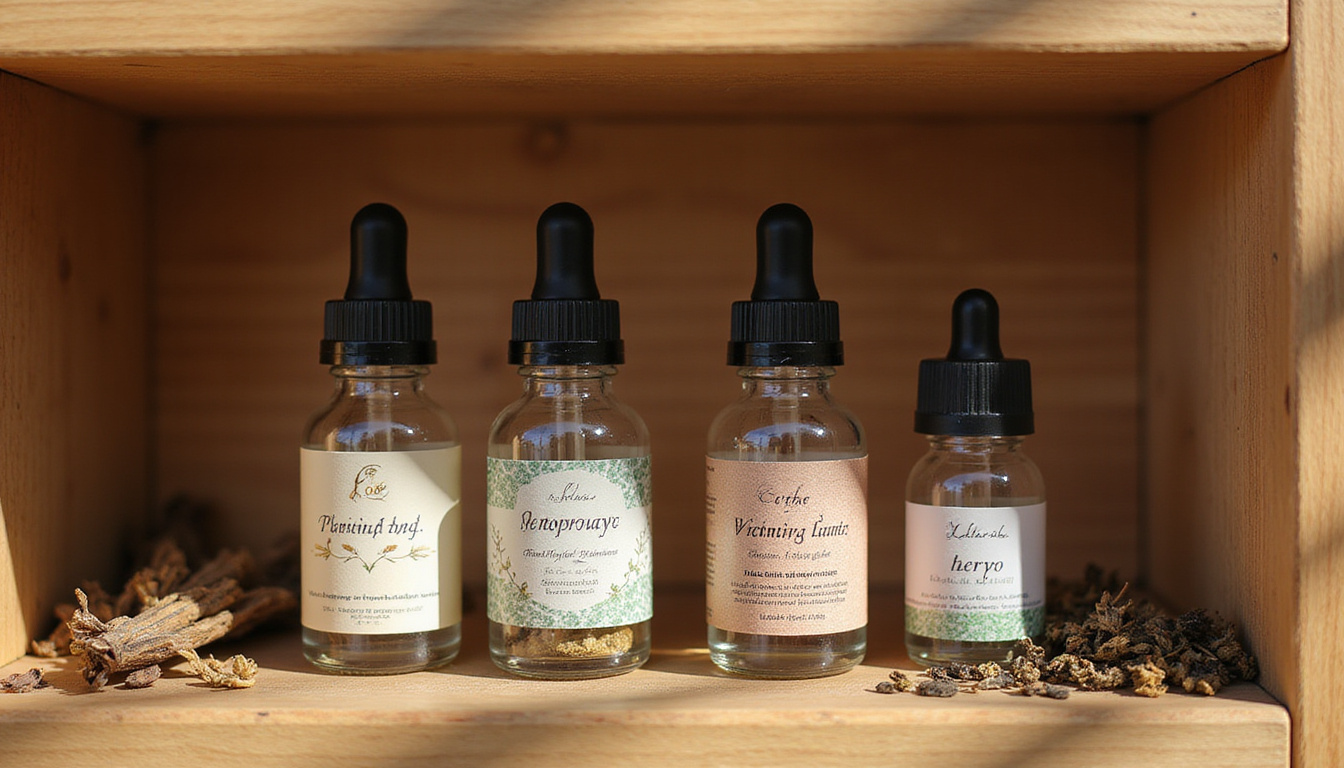
1. Choose the Right Container
Ideal containers for anointing oil are:
- Dark glass bottles (amber or cobalt): Protect the oil from light and help it last longer.
- Tight-sealing caps or droppers: Prevent leakage and limit air exposure.
- Small sizes: 5–15 ml bottles are easy to carry and more likely to be used up while fresh.
Avoid plastic for long-term storage, as some essential oils can degrade certain plastics over time.
2. Protect from Light, Heat, and Air
Oil breaks down when exposed to light, heat, and oxygen. To preserve your anointing oil:
- Store it in a cool, dark place, such as a cabinet or drawer.
- Keep it away from direct sunlight, radiators, or car dashboards.
- Close the bottle tightly after every use.
If you have a large bottle, consider decanting into smaller bottles for regular use and leaving the rest sealed.
3. Label Clearly and Track Freshness
Labeling avoids confusion and ensures safe use. Your label should include:
- Blend name or main ingredients
- Base oil (e.g., “extra-virgin olive oil”)
- Date mixed or purchased
- Any potency warnings (e.g., “contains cinnamon—may feel warm on skin”)
Most high-quality anointing oil stored correctly can last 1–2 years. If it smells sour, “off,” or strange, it may be rancid and should be replaced.
4. Hygiene and Cross-Contamination
To keep anointing oil clean:
- Avoid touching the dropper or bottle opening directly to the skin.
- If using on multiple people, consider:
- Using a fresh cotton swab for each person, or
- Placing a drop in your palm, then anointing from there.
- Don’t dilute the bottle with water; water promotes bacterial growth.
These simple habits protect everyone’s health and keep the practice reverent.
Creating Your Own Anointing Oil: A Simple Guide
If you’d like to make your own anointing oil blend, here’s a straightforward method.
Basic DIY Anointing Oil Recipe
You’ll need:
- 1 ounce (about 30 ml) of extra-virgin olive oil
- 5–10 drops frankincense essential oil
- 5–10 drops myrrh essential oil
- Optional: 2–3 drops cinnamon or cassia (well diluted, as they are strong)
- A small dark glass bottle
Steps:
- Add the essential oils to the empty bottle.
- Fill the bottle with olive oil, leaving a bit of room at the top.
- Cap tightly and gently roll the bottle to blend.
- Set aside and pray, dedicating this anointing oil to the Lord’s service.
- Label with ingredients and date.
Always research each essential oil’s safety before use—especially if pregnant individuals, children, or those with health conditions might be anointed.
Practical Best Practices: A Quick Checklist
To summarize the essentials of choosing, using, and storing anointing oil, keep this list handy:
- Select a pure base oil—olive oil is traditional and reliable.
- Choose gentle, high-quality scents or go unscented if uncertain.
- Verify ingredients and buy from trustworthy sources.
- Use sparingly—a drop or two is usually enough.
- Ask permission and respect comfort levels and boundaries.
- Avoid eyes and broken skin, and be allergy-aware.
- Store in dark glass, in a cool, dark place, tightly sealed.
- Label clearly with ingredients and dates.
- Discard if rancid or if the scent changes noticeably.
- Keep the practice prayer-centered, not superstitious.
FAQ About Anointing Oils
1. What is the best oil to use for anointing?
The best oil for anointing is typically pure olive oil, both for its biblical symbolism and its stability as a carrier oil. Many believers use extra-virgin olive oil alone as their anointing oil, while others add small amounts of essential oils like frankincense and myrrh for fragrance and tradition.
2. Can I make my own biblical anointing oil at home?
Yes. You can create a simple biblical anointing oil by blending olive oil with essential oils associated with Scripture, such as frankincense, myrrh, cassia, or cinnamon. Ensure each essential oil is skin-safe and properly diluted, label the bottle, and dedicate it in prayer before using it for ministry or personal devotion.
3. How long does consecrated anointing oil last before it should be replaced?
Consecrated anointing oil is still subject to normal shelf life. When stored in a dark, cool place in a sealed glass bottle, it will generally remain fresh for about 1–2 years. If the anointing oil smells sour, stale, or unusually strong, it may have turned rancid and should be respectfully discarded and replaced.
Use Anointing Oil with Confidence and Care
Anointing oil is a simple yet powerful symbol—a reminder of God’s presence, healing, and calling. By choosing high-quality oil, using it with humility and respect, and storing it properly, you honor both its spiritual meaning and the people you serve.
If you’re ready to deepen your prayer life or equip your church more thoughtfully, start today: select a pure anointing oil (or blend your own), set it apart in prayer, and begin integrating it into times of ministry, home blessings, and personal devotion. A small bottle, handled wisely, can become a powerful tool for faith-filled encounters with God.
Sacred objects often carry deep cultural and spiritual meaning. Learn how these symbols relate to history, spirituality, and the human mind by exploring more articles at SpiritualMindScience.com.