If you’re looking for a dependable, low-maintenance houseplant with gorgeous foliage, the Chinese evergreen (Aglaonema) is hard to beat. Its patterned, often silver-streaked leaves brighten dark corners, tolerate some neglect, and purify indoor air—all while asking for surprisingly little in return. With a few smart care habits, you can keep Chinese evergreen leaves lush, glossy, and vibrant for years.
Below is a complete, people-first guide to understanding what your plant really needs and how to troubleshoot common problems before they damage its beauty.
Why Chinese Evergreens Make Such Great Houseplants
Chinese evergreens are native to the tropical forests of Asia, where they grow on the forest floor under dense tree canopies. That natural habitat explains many of their best indoor traits:
- They thrive in low to medium light.
- They like warm, stable temperatures.
- They’re more tolerant of occasional missed waterings than many tropicals.
- They adapt well to typical household humidity.
Several cultivars exist—such as ‘Silver Bay’, ‘Emerald Beauty’, ‘Maria’, and colorful hybrids with pink or red tones—so you can easily find one that fits your décor.
Light Requirements: Bright, But Not Direct
Light is the foundation of good Chinese evergreen care. Get this right and many other issues disappear on their own.
Best Light Conditions
- Ideal: Bright, indirect light—near a north or east window, or several feet back from a bright south/west window.
- Tolerable: Low light, such as offices or rooms with only artificial lighting.
- Avoid: Prolonged direct sun, which can burn and bleach leaves.
As a rule of thumb:
- Dark green varieties tolerate lower light best.
- Variegated or colorful varieties (with white, silver, pink, or red) need brighter indirect light to maintain vivid patterns.
Signs You Need to Adjust Light
- Too little light: New leaves are smaller, plant becomes leggy, variegation fades, or growth nearly stops.
- Too much light: Brown, crispy patches on leaves, especially on areas facing the window.
If you’re unsure, err on the side of slightly brighter indirect light and watch the plant’s response over a few weeks.
Watering Chinese Evergreens: Keep It Light but Consistent
Most problems with Chinese evergreen come from watering—either too much or too little.
How Often to Water
Rather than sticking to a fixed schedule, use the soil as your guide:
- Let the top 1–2 inches of soil dry before watering again.
- In average indoor conditions, this often means every 7–10 days during active growth, and less often in winter.
The Right Way to Water
- Check the soil with your finger; if the top is dry, it’s time.
- Water thoroughly until excess drains from the bottom.
- Empty the saucer after 10–15 minutes so the plant doesn’t sit in standing water.
Symptoms of Overwatering vs. Underwatering
- Overwatering:
- Yellowing leaves starting from the bottom
- Mushy stems
- Soil that stays wet for many days
- Possible sour or “swampy” smell from the pot
- Underwatering:
- Droopy, limp leaves that perk up a few hours after watering
- Crispy brown leaf edges
- Soil pulling away from the sides of the pot
If you suspect overwatering, allow the soil to dry more thoroughly and check that the pot drains well.
Soil and Potting Mix: Light, Airy, and Well-Draining
Chinese evergreen prefers a loose, well-aerated mix that holds moisture but doesn’t stay soggy.
Recommended Potting Mix
Use:
- A high-quality indoor potting soil
mixed with - Perlite or orchid bark (about 20–30% of the mix) for extra drainage.
Avoid heavy garden soil or mixes that stay compact and muddy—these suffocate roots and invite rot.
Choosing the Right Pot
- Ensure drainage holes are present.
- When repotting, select a container only 1–2 inches larger in diameter than the current pot.
- Terracotta pots help excess moisture evaporate, which can be useful if you tend to overwater.
Repot every 2–3 years, or when you see roots circling the bottom or growing from the drainage holes.
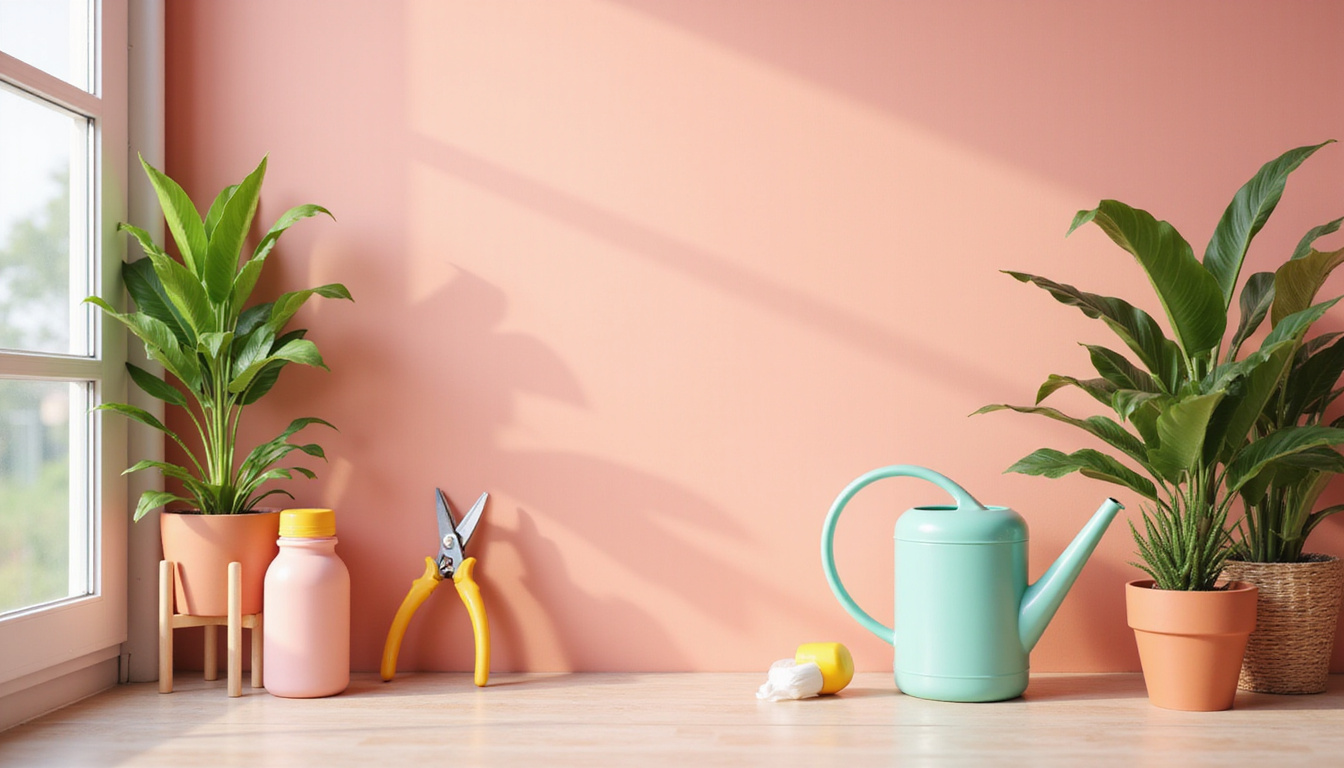
Temperature and Humidity: Warm and Stable Wins
Chinese evergreen is a tropical plant, so it thrives in the same conditions that are comfortable for people.
Temperature Range
- Ideal: 65–80°F (18–27°C)
- Avoid:
- Temperatures below 55°F (13°C)
- Sudden temperature drops
- Cold drafts from windows, doors, or AC vents
- Direct blasts from heating vents
Cold stress often shows up as yellowing leaves or sudden drooping.
Humidity Preferences
Chinese evergreen appreciates moderate humidity but is adaptable.
- Normal indoor humidity (30–50%) is usually fine.
- For very dry environments:
- Use a small humidifier nearby.
- Group plants together to create a more humid microclimate.
- Place the pot on a pebble tray with water below (not touching) the pot’s base.
Consistently brown tips or edges can signal humidity that’s too low or inconsistent watering.
Fertilizing Chinese Evergreens: Gentle and Infrequent
Feed your Chinese evergreen lightly during the growing season to encourage lush leaves.
Fertilizer Routine
- Use a balanced, water-soluble houseplant fertilizer (e.g., 10-10-10 or 20-20-20).
- Dilute to half or quarter strength.
- Apply once every 4–6 weeks from spring through early fall.
- Skip fertilizing in winter when growth slows.
Overfertilizing can cause leaf tip burn and buildup of salts in the soil. If you see white crust on the soil surface, flush the pot thoroughly with water to leach excess salts.
Pruning and Grooming for a Fuller Plant
Regular light pruning keeps Chinese evergreen looking thick and bushy.
Simple Pruning Tips
- Use clean, sharp scissors or pruning shears.
- Remove:
- Yellow, brown, or damaged leaves at the base.
- Sparse, leggy stems to encourage branching.
- Don’t remove more than 20–25% of the foliage at once.
Wipe leaves occasionally with a damp cloth to remove dust. Clean leaves can photosynthesize more efficiently and will look glossier.
Propagating Chinese Evergreens: Make New Plants for Free
Chinese evergreen is easy to propagate, making it great for sharing or expanding your collection.
Two Common Methods
-
Division (Best for mature, clumping plants)
- Gently remove the plant from its pot.
- Separate sections of stems and roots into smaller clumps.
- Repot each division into its own pot with fresh mix.
- Water lightly and keep in bright, indirect light.
-
Stem Cuttings (Works with many varieties)
- Cut a healthy stem with several leaves and at least one node.
- Root in water or directly into moist potting mix.
- If in water, change water weekly; transplant when roots are 1–2 inches long.
- If in soil, keep lightly moist and warm until new growth appears.
Common Problems and How to Fix Them
Staying ahead of common issues will keep your Chinese evergreen thriving.
Yellow Leaves
Possible causes:
- Overwatering or poor drainage
- Sudden temperature changes
- Natural aging of lower leaves
Check soil moisture and roots first. If only the oldest bottom leaves are yellowing occasionally, it may just be normal leaf turnover.
Brown Leaf Tips or Edges
Often due to:
- Underwatering or inconsistent watering
- Very low humidity
- Excess fertilizer/salt buildup
- Extremely dry indoor air from heating or AC
Adjust watering habits, consider a humidifier, and flush the soil if overfertilization is suspected.
Drooping Leaves
- Immediately after watering: The plant may have been too dry and should perk up within a day.
- When soil is wet: Could indicate root rot or poor drainage.
- After a move or draft: Stress from environment changes; give it some time and stable conditions.
Pests: What to Watch For
Chinese evergreen is relatively pest-resistant, but no houseplant is completely immune.
Most Common Pests
- Spider mites: Fine webbing, tiny specks on undersides of leaves.
- Mealybugs: White, cottony clusters at leaf joints or soil surface.
- Scale insects: Brown, shell-like bumps along stems and leaves.
Treatment Steps
- Isolate the affected plant.
- Wipe pests off with a cotton pad dipped in soapy water or rubbing alcohol.
- Follow up with a neem oil or insecticidal soap treatment, repeating every 7–10 days until clear.
Regularly inspecting leaves (especially undersides) makes it easy to catch infestations early.
Is Chinese Evergreen Toxic to Pets?
Yes. Chinese evergreen contains calcium oxalate crystals, which are toxic to cats, dogs, and humans if ingested, causing mouth irritation, drooling, and stomach upset (source: ASPCA).
- Keep the plant out of reach of pets and small children.
- If a pet chews the leaves, contact your vet for guidance.
Quick Care Checklist for Chinese Evergreen
Use this as a simple reference:
- Light: Bright, indirect; tolerates low light.
- Water: When top 1–2 inches of soil are dry; avoid soggy soil.
- Soil: Well-draining indoor mix with perlite or bark.
- Temperature: 65–80°F; avoid drafts and cold.
- Humidity: Average home humidity; slightly higher is ideal.
- Fertilizer: Diluted balanced fertilizer every 4–6 weeks in growing season.
- Pruning: Remove yellow/damaged leaves; trim leggy stems.
- Repotting: Every 2–3 years or when rootbound.
- Toxicity: Toxic if ingested; keep away from pets and kids.
FAQ About Chinese Evergreen Care
1. Why are my Chinese evergreen leaves turning yellow?
Yellow leaves on Chinese evergreen are most often caused by overwatering or poor drainage. Check if the soil is staying wet for too long or if the pot lacks proper drainage holes. Occasionally, a single lower leaf turning yellow is simply natural aging and not a concern.
2. How much light does a Chinese evergreen need indoors?
Chinese evergreen does best in bright, indirect light, but it can adapt to low-light conditions better than many houseplants. Avoid harsh direct sun, which can scorch the leaves, especially on variegated varieties.
3. How often should I water a Chinese evergreen plant?
Water your Chinese evergreen only when the top 1–2 inches of soil are dry to the touch. For many homes, this works out to about once a week in spring and summer and less often in winter. Always adjust based on your plant’s environment, pot size, and soil type.
A healthy Chinese evergreen rewards you with lush, glossy foliage and dependable growth even in challenging indoor spots. By fine-tuning light, watering, and soil—and staying alert to early signs of stress—you can keep this tropical beauty thriving for many years.
If you’re ready to enjoy a greener, calmer space, choose a Chinese evergreen variety you love and start applying these care secrets today. With just a little attention and the right setup, your plant will quickly become one of the most reliable, eye-catching anchors in your indoor jungle.
Throughout history, many plants and herbs have been associated with luck, protection, and prosperity. To explore their deeper spiritual, psychological, and scientific significance, visit SpiritualMindScience.com.