A reliquary is far more than a beautiful container; it is a tangible bridge between the material and the spiritual, the living and the dead, the past and the present. Across centuries and cultures, reliquaries have safeguarded bones, garments, objects, and fragments believed to be touched by the sacred. In exploring their history, symbolism, and ongoing relevance, we uncover how these objects of devotion still resonate deeply in a modern, often secular world.
What Is a Reliquary?
A reliquary is a vessel or shrine designed to house a relic—an object associated with a holy person, event, or place. Relics can include:
- Physical remains (bones, hair, teeth)
- Fragments of clothing or personal items
- Instruments of martyrdom
- Objects associated with miraculous events
The reliquary is not merely a box; it is crafted to honor and elevate what it contains. Through precious materials, intricate craftsmanship, and symbolic imagery, it proclaims the spiritual significance of its contents to all who behold it.
The Origins: From Ancient Bones to Sacred Treasures
The idea behind the reliquary predates organized religions as we know them. Early cultures around the world kept the bones and possessions of revered ancestors, attributing protective and guiding powers to them. As formal religious traditions evolved, this instinct to preserve and venerate sacred remains took on more structured forms.
Early Christian Reliquaries
In Christianity, the veneration of relics can be traced back to the catacombs and the graves of martyrs. Believers gathered near the tombs of saints to celebrate the Eucharist and ask for intercession. Over time:
- Bones and burial cloths were carefully preserved.
- Small containers (often simple boxes or ampullae) were used to hold fragments of these remains.
- Churches began to enshrine relics beneath altars, a practice that became widespread by the Middle Ages.
The reliquary, therefore, grew out of a desire to remain close to the holy, to encounter the divine through the tangible presence of saints.
Types of Reliquary: Form Follows Faith
Reliquaries evolved into countless forms, each tailored to the nature of the relic and the devotion of the faithful. Some of the most striking types include:
-
Reliquary Busts
Sculpted to resemble a saint’s head and shoulders, these reliquaries often contain skull fragments. The face—idealized and serene—offers a focal point for prayer. -
Limb Reliquaries
Shaped like arms, hands, or feet, these containers symbolize the saint’s body part contained within (such as a finger or arm bone). They often gesture in blessing, visually “extending” the saint’s intercession. -
Reliquary Shrines (Chasse Reliquaries)
Box-shaped like miniature churches or tombs, frequently covered in enamel and gold. They mimic the heavenly Jerusalem and house clusters of relics. -
Monstrance-Type Reliquaries
Featuring glass windows or crystal cylinders to display the relic, sometimes radiating like a sunburst. They are designed for processions and public veneration. -
Portable Reliquaries
Pendants, lockets, or small caskets carried by pilgrims or clergy—early forms of “wearable devotion” that allowed the faithful to keep the sacred close at all times.
Each style of reliquary embodies a core idea: holiness should be both protected and made visible to inspire devotion.
Symbolism and Theology: Why Reliquaries Matter
To understand the hidden power of the reliquary, we need to look at the symbolic and theological layers it embodies.
Tangible Contact with the Sacred
In many religious traditions, physicality matters. Sacred stories, miracles, and teachings are not purely abstract; they are rooted in real people, places, and objects. A reliquary:
- Offers a material point of contact with a revered figure.
- Serves as a focus for prayer, helping worshipers feel closer to the divine.
- Functions as a reminder of mortality and hope, especially when containing bones or skulls.
The object becomes a gateway—a way to touch history and, for believers, to touch holiness.
The Body as a Vessel of Grace
Especially in Christian theology, the relic is powerful because the person it belonged to embodied virtue, sacrifice, or divine favor. Their body was considered a vessel of grace, and that grace is believed to linger in physical remains and possessions.
The reliquary, richly decorated and carefully consecrated, mirrors this belief by:
- Honoring the dignity of the human body.
- Proclaiming continuity between life, death, and resurrection.
- Affirming that holiness can transform even the most ordinary matter into something radiant.
Artistry and Craft: When Devotion Drives Design
Some of the most stunning works of medieval and early modern art are reliquaries. Created by master goldsmiths, enamellers, and sculptors, these pieces combine technical virtuosity with profound symbolic meaning.
Materials of Majesty
Reliquaries often use:
- Gold and silver: To reflect divine light and signify incorruptibility.
- Gems and enamel: To evoke the splendor of heaven.
- Rock crystal and glass: To reveal the relics within while protecting them.
- Ivory and precious woods: To connect the sacred with the organic world.
The lavishness is not mere ostentation; historically it was understood as a gift worthy of the saint and an expression of communal devotion.
Stories in Metal and Stone
Many reliquaries are mini narrative worlds:
- Panels illustrate scenes from the saint’s life.
- Inscriptions identify the relics and sometimes recount miracles.
- Heraldic symbols show the patrons who commissioned the work.
- Angels, apostles, and symbolic animals (like the lion or lamb) surround the relic, placing it within a cosmic story of salvation or enlightenment.
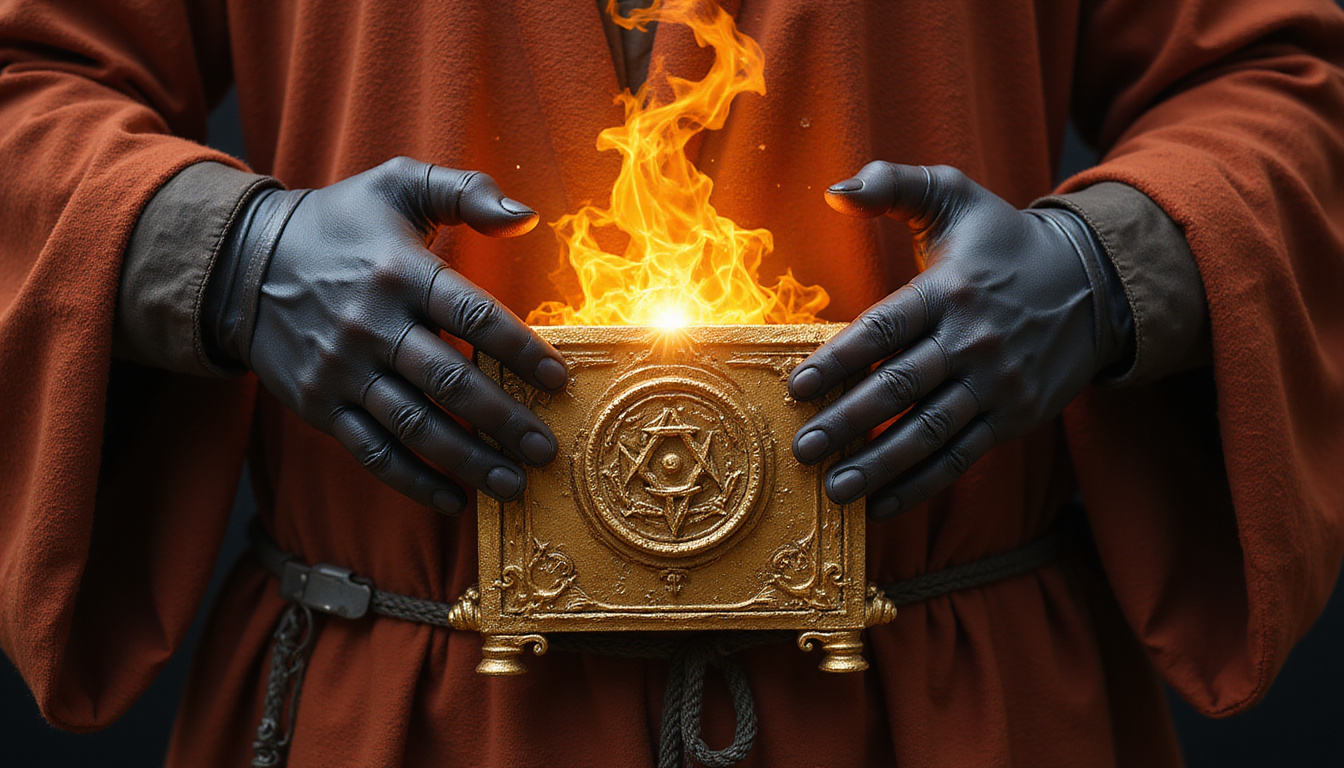
For modern viewers, a reliquary is a layered text: theological statement, historical record, devotional tool, and work of art all in one.
Pilgrimage, Power, and Politics
Reliquaries have never existed in isolation; they are embedded in social and political life.
Pilgrimage and Economy
Famous reliquaries drew crowds of pilgrims:
- Cities with celebrated relics—such as Santiago de Compostela or Chartres—became major pilgrimage centers.
- Local economies thrived on lodging, food, and trade.
- Churches and monasteries gained prestige and financial support through offerings.
Reliquaries were, in this sense, spiritual magnets with very real economic and cultural gravity.
Power, Legitimacy, and Rivalry
Relics and their containers could serve as instruments of power:
- Monarchs sought prestigious relics to legitimize their reigns.
- Cities competed to possess the most renowned reliquaries.
- Conflicts arose around alleged fabrications or thefts of relics.
Famous cases, like the translation of saints’ remains from one city to another, were often wrapped in stories of visions and miracles—but also reflected political and ecclesiastical strategies (source: The Met – Reliquaries and the Cult of Relics).
Modern Encounters: Why Reliquaries Still Fascinate
Even in a secular age, the reliquary captivates. Visitors to museums and sacred sites are drawn irresistibly to these objects, whether or not they share the underlying belief system.
For Believers
For practicing faithful, the reliquary remains:
- A locus of prayer and intercession.
- A reminder of spiritual heroes and models of virtue.
- A symbol of continuity with an ancient tradition of faith.
Many contemporary churches still enshrine relics in their altars, and major shrines continue to attract pilgrims seeking comfort, healing, or guidance.
For Seekers and Skeptics
For those approaching from an artistic or historical perspective, the reliquary offers:
- A window into medieval and early modern mentalities.
- Evidence of long-standing human needs—for connection, protection, meaning.
- A chance to reflect on how culture gives form to belief.
Whether one experiences a reliquary as sacred object or as cultural artifact, it challenges the modern habit of separating matter from meaning.
How to Appreciate a Reliquary Today
If you encounter a reliquary in a church, museum, or historical site, you can deepen your experience by paying attention to several layers at once:
- Look closely at the form: Is it a bust, a box, a limb, a cross? What does that suggest about the relic?
- Examine the materials: Precious metals, gems, crystal—what might they be trying to communicate?
- Read any inscriptions: Names, dates, donors, and prayers can reveal stories hidden in plain sight.
- Consider the setting: Is it in a side chapel, under an altar, in a glass case? The context hints at how it was used.
- Reflect on your response: Awe, curiosity, discomfort, inspiration—any reaction can teach you something about your own relationship to the sacred and the material.
Approaching a reliquary this way turns a simple viewing into a multi-layered encounter with history, art, and spirituality.
Frequently Asked Questions About Reliquaries
What is a reliquary in simple terms?
In simple terms, a reliquary is a special container used to hold and protect sacred relics, such as the bones, clothing, or personal objects of a holy person. It is often beautifully decorated to show respect and highlight the spiritual importance of what it holds.
Why were medieval reliquaries so elaborate?
Medieval reliquaries were elaborate because communities wanted to honor the saints with the finest materials and craftsmanship available. The grandeur of a medieval reliquary was seen as an offering to God and the saint, a way to attract pilgrims, and a visual declaration that something holy and powerful was present.
Do religions still use reliquaries today?
Yes. Many Christian traditions—especially Catholic, Orthodox, and some Anglican communities—still use a reliquary to house relics in churches, altars, and shrines. Pilgrims continue to visit these sites for prayer and devotion, and museums also display historical reliquaries as important works of religious art.
Rediscover the Power of the Reliquary
The reliquary stands at the crossroads of art, faith, memory, and power. It invites us to reconsider our relationship with objects, asking whether matter can carry meaning beyond its physical form and whether the past can still touch us through tangible traces.
If you’re intrigued by these sacred containers, make them part of your own journey. Visit a local cathedral or museum, seek out a reliquary, and spend a few moments in front of it—reading its symbols, imagining the lives behind it, and listening to your own response. In doing so, you may discover that the mystery of the reliquary is not only about the relics it holds, but also about the questions and longings it awakens in you today.
Sacred objects often carry deep cultural and spiritual meaning. Learn how these symbols relate to history, spirituality, and the human mind by exploring more articles at SpiritualMindScience.com.