From carved doorways to discreet tattoos, apotropaic symbols have appeared across cultures for thousands of years as a way to repel harm and invite protection. Whether you’re drawn to ancient magic, folk traditions, or just want a meaningful protective motif in your home, understanding these symbols gives you a powerful toolkit for modern life.
Below, we’ll explore what apotropaic symbols are, how different cultures used them, what they’re believed to mean, and practical DIY ways you can incorporate them safely and respectfully today.
What Are Apotropaic Symbols?
“Apotropaic” comes from the Greek apotropein, meaning “to ward off” or “turn away.” Apotropaic symbols are images, objects, gestures, or markings believed to:
- Ward off evil or misfortune
- Protect people, homes, and sacred spaces
- Deflect the “evil eye” or negative energy
They can be overt (like a Menorah placed by the door) or subtle (like a sign etched under a threshold where only the builder knows it’s there). Historically, people used apotropaic symbols as a kind of spiritual insurance policy—protection against forces they couldn’t control or explain.
Core Meanings Behind Apotropaic Symbols
While designs vary, most apotropaic symbols share a few core themes:
-
Boundary and Threshold Protection
Doors, windows, chimneys, and crossroads are liminal spaces—“in between” zones where influences were thought to slip in. Protective marks here guard the entry points of homes and lives. -
Deflection of the Evil Eye
The evil eye is a widespread belief that envy, malice, or hostile intent can cause harm. Many apotropaic symbols either mirror back the gaze or absorb it so the target stays safe. -
Appealing to Higher Powers
Many protective symbols reference gods, saints, angels, or helpful spirits. The symbol becomes a reminder and an invitation: “Protect this place and these people.” -
Order Over Chaos
Geometric patterns, knots, and circles reflect cosmic order. Using them was a way of saying, “Chaos stops here.”
Ancient Origins of Apotropaic Symbols
Mesopotamia and the Ancient Near East
In some of the earliest urban societies, people used:
- Eye-shaped amulets to counter malevolent stares
- Cuneiform incantations inscribed on bricks and foundation deposits
- Demon-warding figurines buried under thresholds and corners
Clay tablets from Mesopotamia record detailed rituals combining symbols, words, and offerings to keep households safe (source: Metropolitan Museum of Art).
Ancient Greece and Rome
The Greeks and Romans used apotropaia in many forms:
- Gorgoneion (Medusa’s head): Her terrifying stare was believed to petrify evil. Gorgons decorated shields, armor, buildings, and even jewelry.
- Phallic amulets (fascinum): Explicit symbols were considered so shocking and life-asserting that they chased away harmful forces.
- Eyes on ships: Painted eyes on the prow were meant to see and ward off dangers at sea.
Egypt and the Mediterranean
In Egypt, the Eye of Horus (Wedjat) became a universal protection sign against illness, accidents, and the evil eye. Across the Mediterranean, sailors and merchants adopted variations of eye charms for travel and trade.
Medieval and Early Modern Apotropaic Symbols
Christian and Jewish Protective Marks
In Europe and the Middle East, faith traditions blended with folk practices:
- Crosses carved on doors, beams, and tools
- Christograms like “IHS” and “XP” on lintels and manuscripts
- Hebrew inscriptions and mezuzot on doorposts, containing verses from Deuteronomy, acting as both commandment and protection
Pilgrims and travelers often carried small amulets inscribed with prayers or saintly figures to protect them on dangerous journeys.
Witch Marks and Magical Symbols in Homes
Archaeologists in Europe have discovered countless hidden apotropaic symbols in historic buildings:
- Witch marks or “ritual protection marks”: overlapping circles, daisy wheels, and intersecting lines carved into timber, stone, or plaster near fireplaces, doors, and windows.
- Marian marks (VV or AM): Often interpreted as “Virgo Virginum” (Virgin of Virgins) or “Ave Maria,” asking for the Virgin Mary’s protection.
- Burn marks and shoe concealments: Deliberately scorched marks or single shoes hidden in walls or chimneys as protective charms.
These marks were rarely publicly displayed; instead, they were embedded in the fabric of the house, quietly guarding it.
Global Examples of Apotropaic Symbols
The Hamsa
Found in Jewish, Islamic, and Middle Eastern cultures, the Hamsa is a stylized hand, often with an eye in the palm. It’s believed to:
- Deflect the evil eye
- Bring blessings and good fortune
- Protect against jealousy and malice
The Hamsa can point up (defense against evil) or down (inviting abundance and goodness), depending on tradition.
The Evil Eye (Nazar)
The blue eye bead—common in Turkey, Greece, and beyond—is arguably one of the most recognizable apotropaic symbols today. It’s frequently:
- Hung in cars or over doors
- Worn as jewelry
- Given to newborns and newlyweds
The concept is that the eye “absorbs” harmful envy before it reaches the wearer.
Knots, Spirals, and Labyrinths
In Celtic and many other cultures:
- Endless knots represent unbroken protection and continuity.
- Spirals and labyrinths symbolize journeys and transformation, often used to confuse or trap negative forces.
These geometric designs are not just aesthetic—they reflect a worldview where pattern and repetition maintain spiritual order.
How Apotropaic Symbols Work (Belief and Psychology)
Regardless of your spiritual stance, there are a few ways to understand how apotropaic symbols “work”:
- Belief and Focus: For believers, symbols are a channel for divine or protective power.
- Psychological Effect: Having a protective symbol can create a sense of safety and control, which reduces anxiety and stress.
- Cultural Signaling: In communities that share these beliefs, visible symbols say “this space is guarded,” which might deter both spiritual and human harm.
You don’t have to fully subscribe to magical thinking to benefit; simply treating these symbols as meaningful reminders of safety, resilience, and boundaries can be powerful.
Ethical Use of Apotropaic Symbols
Before adopting traditional apotropaic symbols, consider:
- Cultural context: Some symbols (like specific Indigenous designs or religious sigils) are sacred and not meant for casual use.
- Religious sensitivity: Using symbols from a faith you don’t practice can be offensive if done without understanding or respect.
- Intention: Know why you’re using a symbol—protection, grounding, remembrance—and choose something aligned with your beliefs and values.
When in doubt, opt for more universal motifs (circles, stars, knots, plants) or create your own personalized protective symbol.
DIY Protection Ideas Using Apotropaic Symbols
You can incorporate apotropaic symbols into everyday life in simple, practical ways. Here are some ideas to get started.
1. Protection for Your Home
-
Door and window symbols:
- Draw a small protective mark (such as a circle with a dot, a simple knot, or a cross if it matches your faith) above or beside your front door.
- Place a discreet symbol on the inside of windowsills—chalk works well and is removable.
-
Threshold charms:
- Hang a Hamsa or evil eye charm by the entrance.
- If you’re handy, carve a small protective motif into a doorframe or step.
-
Hidden talismans:
- Tuck a symbol-inscribed piece of paper behind a piece of furniture near the door.
- Place a small stone or object engraved with your chosen symbol near your home’s main entry point.
2. Wearable Apotropaic Symbols
-
Jewelry:
- Necklaces or bracelets with Hamsa, eye charms, or knots protect on the go.
- Discreet symbols on the inside of a ring or bracelet keep their meaning more personal.
-
Clothing and accessories:
- Embroider a protective motif on a jacket hem, scarf corner, or hat lining.
- Add a charm to a keychain or bag zipper pull.
-
Tattoos (with caution):
- If you choose a tattoo, thoroughly research the symbol’s origin and meaning.
- Create a hybrid or personalized design if you want something deeply individual and less culturally loaded.
3. Protective Art and Decor
-
Wall art:
- Paint or frame protective patterns (labyrinths, knots, eyes, circles) for entryway or bedroom walls.
- Use abstracted versions of traditional symbols for a modern look.
-
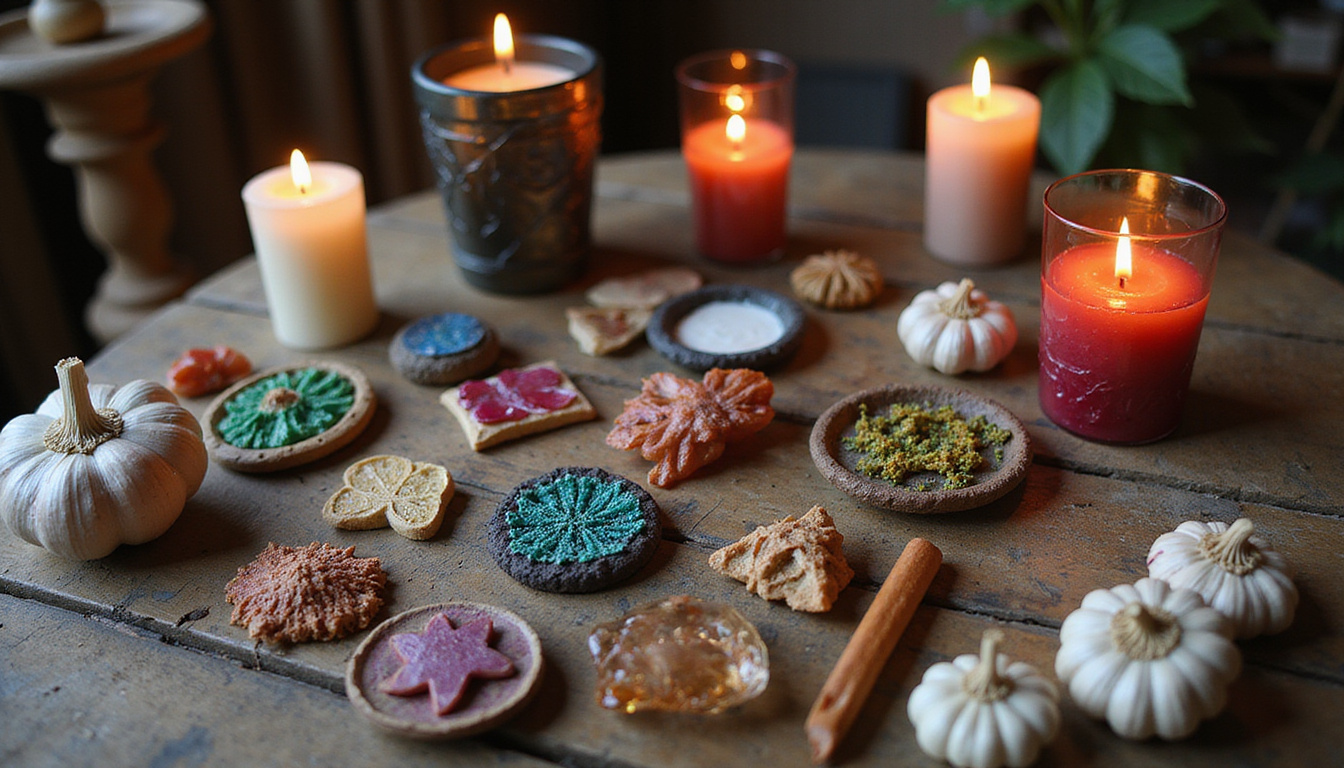
Altars and focus spaces:
- Incorporate apotropaic symbols into a meditation or prayer space.
- Combine them with candles, stones, or plants that represent grounding and safety to you.
-
Everyday objects:
- Etch or draw protective motifs on notebooks, phone cases, or water bottles.
- Use patterned textiles (rugs, pillows, curtains) featuring symbolic designs you connect with.
Simple Steps to Create Your Own Apotropaic Symbol
If established apotropaic symbols don’t fully resonate, design one that feels like yours.
-
Define your intention
- Are you seeking protection for your home, your health, your relationships, or your creativity?
-
Choose basic shapes
- Circles (wholeness and boundary)
- Triangles (strength, balance)
- Lines (direction, barrier)
- Dots (focus points, seeds of intention)
-
Layer and refine
- Combine shapes until they “feel right.”
- Make it symmetrical if you want balance or asymmetrical if you want movement and change.
-
Add a personal element
- Initials, meaningful dates, or a small symbol (like a leaf, star, or wave) that represents you or your values.
-
Activate through use
- Draw it in the spaces you want to protect.
- Use it consistently—on journals, art, or near doors.
- Each time you see it, remember the protection and resilience it represents.
Quick Reference: Popular Apotropaic Symbols & Their Associations
- Hamsa – Protection, blessing, deflection of the evil eye
- Evil Eye (Nazar) – Absorbing envy and hostile intent
- Eye of Horus – Health, safety, healing, and wholeness
- Cross / Crucifix – Divine protection, faith, salvation (Christian contexts)
- Knots & Labyrinths – Continuity, protection, and containment of chaos
- Witch Marks / Daisy Wheels – Household protection, especially in historical European homes
FAQ About Apotropaic Symbols and Protection
Q1: What are some common apotropaic symbols for home protection?
Common home-protection apotropaic symbols include crosses or Christograms over doorways, witch marks and daisy wheels near chimneys or windows, Hamsa hands and evil eye charms at entrances, and protective knots or circles hidden in woodwork or decor. Even a simple, intentional circle or custom symbol above your main door can serve as a modern protective mark.
Q2: Are apotropaic protection symbols compatible with modern, secular beliefs?
Yes. Many people use apotropaic protection symbols in a secular or psychological way—as visual reminders of boundaries, safety, and resilience. You can treat them as meaningful art or personal rituals without committing to supernatural beliefs, focusing instead on how they affect your mindset and environment.
Q3: How can I respectfully use traditional apotropaic amulets like the Hamsa or evil eye?
Research the history and cultural meaning first, purchase from makers within the culture when possible, and avoid presenting yourself as a practitioner of a religion or tradition you don’t follow. Use these apotropaic amulets with humility and acknowledgment of their origins, and consider choosing more universal designs if you’re unsure.
Apotropaic symbols connect us with a long human story—the desire to protect what we love in a world full of unknowns. Whether you’re hanging a small Hamsa by your door, sketching a protective knot in your notebook, or designing your own symbol to guard a new chapter in life, you’re participating in a deep, cross-cultural tradition.
If you’re ready to bring this protective language into your life, start small: choose one symbol that resonates, place it intentionally in your space, and see how it changes the way you feel. From there, you can gradually build a personal toolkit of apotropaic symbols and DIY protection ideas that make your home and daily routine feel meaningfully, mindfully guarded.
Cultural superstitions have shaped traditions and beliefs for generations. Explore the psychology, cultural history, and science behind these fascinating practices at SpiritualMindScience.com.