The lotus is more than just a beautiful aquatic flower; it’s a symbol of purity, resilience, and renewal in cultures around the world. Whether you have a backyard pond, a container water garden, or are just getting started with aquatic plants, learning proper lotus flower care is the key to keeping these spectacular blooms thriving year after year. With the right setup, soil, water depth, and seasonal maintenance, your lotus can become the showpiece of your outdoor space.
Understanding the lotus: Basics Before You Plant
Before you bring home your first lotus, it helps to understand what this plant needs to thrive.
- Type of plant: The lotus (genus Nelumbo) is a hardy or tropical aquatic perennial, not a water lily, though they’re often confused.
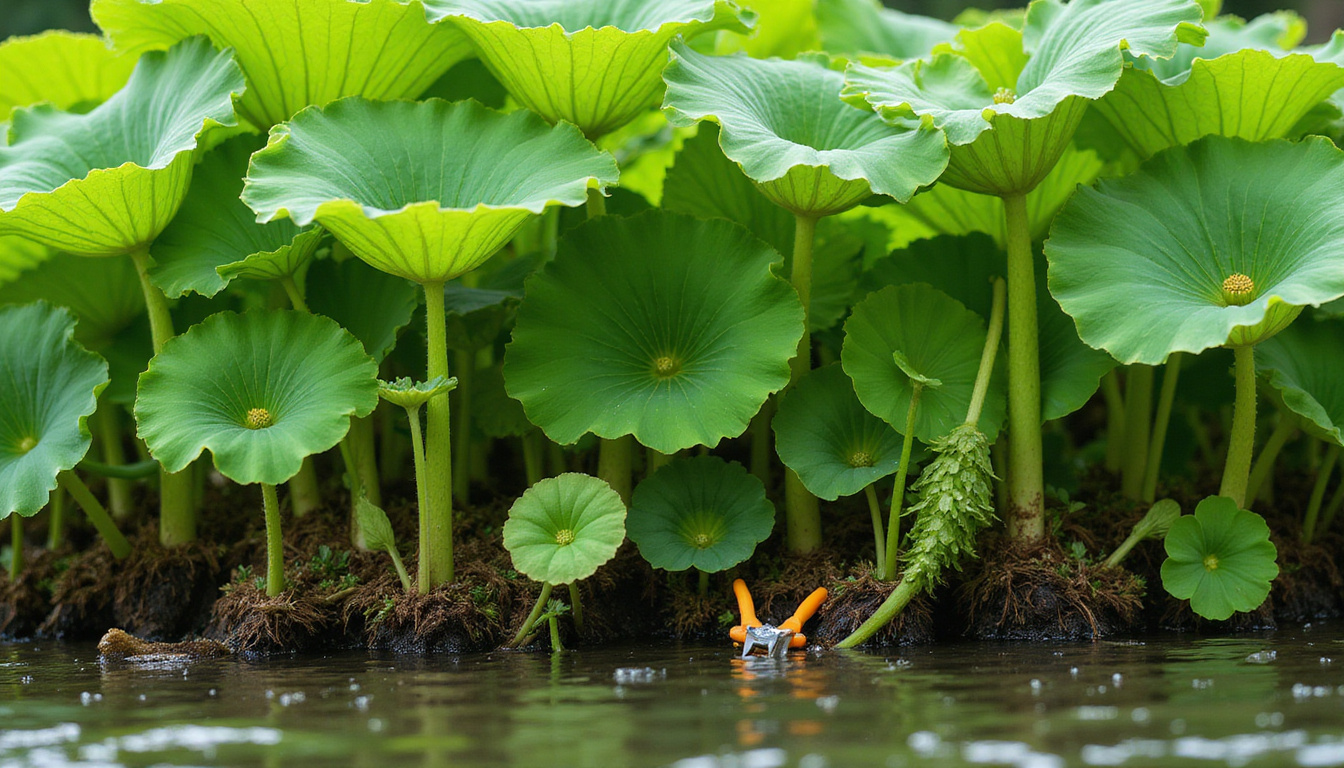
- Growth habit: Lotus grow from rhizomes, sending leaves and flowers up above the water surface.
- Light needs: Full sun—at least 6 hours of direct sunlight per day—is non-negotiable for strong blooms.
- Space requirements: Even dwarf lotus varieties need adequate surface area and depth to grow properly.
There are two main categories:
- Hardy lotus: Can overwinter in ponds down to freezing temperatures if the rhizomes remain below the ice line.
- Tropical lotus: Need warm temperatures year-round and are usually treated as annuals or brought indoors in cold climates.
Knowing which type of lotus you have will guide your care, especially in winter.
Choosing the Right Lotus Variety and Container
Selecting a lotus variety
Lotus varieties differ in size, color, and growth habit:
- Dwarf or bowl lotus: Ideal for tubs, half-barrels, or balcony container ponds.
- Medium lotus: Good for smaller backyard ponds.
- Large lotus: Best for spacious ponds and naturalized water gardens.
When choosing, consider:
- Your climate zone (hardy vs. tropical lotus).
- The size of your pond or container.
- Desired flower color and bloom size.
Check plant tags or nursery descriptions for mature height and spread so you don’t overcrowd your pond.
Best containers for lotus
Growing lotus in containers—even when they’re sunk into a pond—makes care and maintenance much easier. Ideal containers:
- Are wide and shallow (for most varieties 18–24 inches wide, 10–14 inches deep).
- Have no drainage holes to keep soil from escaping.
- Are made of plastic, fiberglass, or glazed ceramic to prevent rust or chemical leaching.
Container-growing helps control spreading rhizomes and makes fertilizing and dividing the lotus more manageable.
The Perfect Planting Mix and How to Pot a lotus
Soil for lotus
Lotus are heavy feeders that prefer dense, nutrient-rich soil. Regular fluffy potting mix is a mistake—it floats away and fouls the water.
Use:
- Heavy topsoil or clay loam with no added perlite, vermiculite, or bark.
- Aquatic plant soil or clay-based pond plant mix as an alternative.
Avoid:
- Commercial potting mixes
- Soils high in organic debris
- Peat-based mixes
These can cause water cloudiness and introduce too much decomposing material to your pond.
Step-by-step: Planting a lotus rhizome
-
Fill the container
Add 4–6 inches of heavy soil to the container, leaving 2–3 inches of space at the top. -
Form a shallow trench
Make a slight depression in the soil where the lotus rhizome will rest. -
Position the rhizome
Lay the rhizome horizontally with the growing tips (eyes) angled slightly up.- Do not cover or damage the growing tips.
- Bury only the older, “spent” portions lightly.
-
Anchor gently
Press soil lightly over the older parts of the rhizome, leaving new growth exposed. You can use smooth stones to hold it in place, but avoid crushing it. -
Add a thin layer of gravel (optional)
A light gravel layer can help hold soil in place, but keep it thin so emerging shoots aren’t blocked. -
Slowly add water
Gently pour water into the container so you don’t disturb the soil. Start with just enough water to cover the soil by 2–4 inches.
Once planted, place your lotus container where it will receive full sun.
Water Depth, Temperature, and Sunlight Requirements
Ideal water depth for lotus
Water depth depends on lotus size and stage of growth:
- Newly planted lotus:
2–4 inches of water over the soil surface. - Established dwarf lotus:
4–8 inches of water above the soil. - Medium to large lotus:
8–18 inches of water above the soil, depending on variety.
Too deep too soon can slow growth, especially in cool spring water. Let the lotus establish leaves at the surface, then gradually move the container deeper if needed.
Water temperature
Lotus are warm-season plants. They begin strong growth when water temperatures reach about 70°F (21°C). In cooler water, rhizomes may sit idle, and leaves can be slow to emerge.
If your spring nights are still cold:
- Start your lotus in shallow water or in a sunny, protected spot.
- Avoid exposing newly planted rhizomes to frigid water.
Sun exposure
To bloom well, lotus need:
- Minimum: 6 hours of direct sun daily
- Ideal: 8+ hours of sun
Shaded ponds or those overshadowed by trees or buildings will produce fewer and smaller flowers. If full sun is impossible, choose more shade-tolerant aquatic plants instead, as lotus will underperform without sufficient light.
Fertilizing lotus for Strong Growth and Blooms
Lotus are heavy feeders, especially during active growth. Insufficient nutrients are a common reason lotus fail to bloom.
When to start fertilizing
- Begin once the plant has several aerial leaves (standing above the water), not just floating leaves.
- Avoid fertilizing immediately after planting; wait until the plant is visibly growing.
How to fertilize lotus
Use slow-release aquatic plant fertilizer tablets designed for pond plants. General guidelines:
- Push tablets into the soil around the outer edge of the container, not next to the rhizome.
- Follow label instructions—overfertilizing can burn roots or encourage algae.
- Fertilize monthly during the growing season (late spring through mid-summer).
Stop fertilizing toward late summer in cooler climates so the lotus can slow down naturally and prepare for dormancy.
Seasonal Care: Spring to Winter
Spring: Waking up your lotus
As water warms up:
- Remove any dead leaves or stems from last year.
- Check that the container is at the correct depth.
- Watch for new shoots emerging from the soil.
- Begin shallow placement in the pond, then slowly lower to the final depth as growth takes off.
If you started your lotus indoors or in a greenhouse, gradually acclimate it to outdoor conditions.
Summer: Peak growth and bloom
Summer is when lotus shines:
- Keep water levels stable.
- Ensure full-sun exposure.
- Maintain a regular fertilizing schedule.
- Remove yellowing or damaged leaves to keep the plant tidy and reduce disease risk.
Healthy lotus can produce multiple blooms over the summer, with each flower lasting several days.
Fall: Preparing for dormancy
As temperatures drop:
- Stop fertilizing so the lotus can redirect energy into the rhizome.
- Allow leaves to yellow naturally; this helps nutrients return to the rhizome.
- Once leaves fully die back, trim them a few inches above the soil line.
If you live in a climate where ponds freeze solid, you’ll need to overwinter lotus carefully.
Winter: Overwintering lotus
Your approach depends on your climate:
- Mild to moderate winters:
Keep the lotus container at the deepest part of the pond, ensuring rhizomes stay below the ice line. - Cold climates with deep freeze:
Bring the container into a cool (but not freezing) location such as a basement or unheated garage and keep the soil slightly submerged and moist. - Container-only lotus in cold areas:
Store the container in a frost-free place, maintaining damp soil but not active growth.
Consult local guidance or reputable sources (e.g., university extension services such as University of Florida IFAS Extension – source) for zone-specific overwintering tips.
Common lotus Problems and How to Fix Them
lotus leaves turning yellow
Possible causes:
- Natural aging of older leaves (normal).
- Nutrient deficiency (increase or start fertilizing).
- Low light (move to a sunnier location).
- Sudden temperature swings or cold water.
Trim off old, yellow leaves but avoid cutting underwater stems too low, as this can allow water to travel down into the rhizome.
Few or no flowers
Likely reasons:
- Not enough sun (less than 6 hours).
- Insufficient nutrients.
- Water too deep for the variety.
- The plant is still immature (young lotus can take a season or two to reach full bloom).
Adjust these conditions for better flowering in subsequent seasons.
Pests on lotus
Common pests include:
- Aphids
- Leaf miners
- Caterpillars
Control options:
- Spray leaves with a gentle stream of water to dislodge aphids.
- Hand-pick visible pests.
- Use pond-safe, fish-safe treatments if necessary, following all label directions.
Avoid harsh chemicals that can harm fish, beneficial insects, and other pond life.
lotus vs Water Lilies: Key Differences in Care
Lotus and water lilies share pond space well, but their care needs differ:
- Leaf position:
lotus leaves and blooms rise above the water; water lily leaves float on the surface. - Sun requirements:
Both need sun, but lotus are more demanding for full, direct sunlight. - Soil and fertilizing:
Both like heavy soil and benefit from aquatic fertilizer tablets, but lotus often need more frequent feeding. - Space:
lotus typically require more vertical and horizontal space than most water lilies.
Knowing which you’re growing prevents confusion and mismatched care.
Quick lotus Care Checklist
Use this for quick reference:
- Full sun: 6–8+ hours daily
- Water depth: 2–4 inches above soil for new plants; deeper for mature plants by variety
- Soil: Heavy topsoil or clay loam (no potting mix)
- Container: Wide, shallow, no drainage holes
- Fertilizer: Aquatic tablets monthly during active growth
- Seasonal care:
- Spring: Clean up and shallow placement
- Summer: Maintain water, light, and nutrients
- Fall: Stop fertilizing, let foliage die back
- Winter: Keep rhizomes from freezing solid
FAQ About Growing lotus in Ponds and Containers
Q1: Can you grow lotus in a small pond or container?
Yes. Many dwarf and bowl lotus varieties are perfect for small ponds, tubs, and containers. Just ensure the container is wide enough and the lotus gets full sun and proper water depth.
Q2: How do I take care of a lotus flower in winter?
For hardy lotus, keep the container where the rhizomes won’t freeze solid—either at the deepest part of the pond below the ice line or indoors in a cool, frost-free area. Tropical lotus often need to be kept in warm indoor water or replaced each year in cold climates.
Q3: How long does it take for a lotus plant to bloom?
From a healthy rhizome, lotus typically take one growing season to establish and may bloom the first summer if conditions are ideal. However, some plants bloom more reliably from their second season onward once the rhizome has stored enough energy.
With the right setup and consistent care, a lotus can transform your pond or patio container into a serene, almost magical focal point. If you’re ready to enjoy towering blooms, glossy round leaves, and a sense of calm each time you step outside, start planning your lotus planting now. Choose a suitable variety, prepare a proper container with heavy soil, give it abundant sun and steady fertilizing, and you’ll be rewarded with a thriving lotus that returns and improves year after year. Start your lotus garden this season and create a water feature you’ll be proud to show off.
Throughout history, many plants and herbs have been associated with luck, protection, and prosperity. To explore their deeper spiritual, psychological, and scientific significance, visit SpiritualMindScience.com.