Across cultures and centuries, people have watched the natural world for signs, patterns, and messages. Animal omens—moments when a creature’s appearance or behavior is interpreted as meaningful—sit at the heart of this timeless practice. Whether you see a hawk circling overhead, a black cat crossing your path, or a spider spinning a web near your door, many traditions say these encounters can offer warnings, blessings, or guidance.
This article explores how different cultures understand animal omens, how to interpret them without superstition taking over your life, and how you can connect more deeply with the natural world by paying attention to its subtle signals.
What Are Animal Omens?
Animal omens are occurrences involving animals that people interpret as signs of future events, spiritual messages, or emotional guidance. They may involve:
- A specific animal appearing repeatedly
- Unusual behavior from a common animal
- Encounters at highly emotional or transitional moments in life
- Dreams featuring vivid or symbolic animals
Importantly, animal omens are not inherently “mystical.” They sit at the intersection of:
- Cultural symbolism and folklore
- Personal intuition and life experience
- The real behavior and ecology of animals
Whether you see them as spiritual messages, patterns your mind is trained to notice, or a bit of both, animal omens can become meaningful tools for reflection and connection.
Why Humans Look for Meaning in Animal Encounters
Humans have always depended on animals—for food, protection, companionship, and survival. Our ancestors watched them closely, and over time, patterns and stories formed:
- Birds flying low might indicate an approaching storm
- Wolves howling could warn of danger
- The return of migratory animals could signal changing seasons
From these practical observations, symbolic meanings grew. Psychologists also point to “pattern recognition” and “meaning-making” as built-in human traits: we look for order in chaos and stories in random events. Animal omens are one expression of this instinct.
Today, animal omens are often used not to predict the weather or war, but to navigate emotional crossroads: decisions about love, career, health, grief, or spiritual growth.
Common Animal Omens and Their Traditional Meanings
While meanings differ across cultures, some symbols are surprisingly widespread. Here are a few of the most commonly discussed animal omens and what many traditions associate with them.
Birds as Messengers
Birds hold a special place in many belief systems because they move between earth and sky, symbolizing connection between the physical and the spiritual.
- Crows and ravens: Often linked with death, mystery, or powerful transformation. In some Native and Celtic traditions, they can signal change, protection, or a message from the spirit world.
- Owls: Associated with wisdom, secrets, and seeing what others cannot. In some cultures, they’re seen as an omen of impending change or hidden truths coming to light.
- Hawks and eagles: Frequently seen as signs of focus, clarity, or a higher perspective. Their appearance may be interpreted as a call to step into your power or to look at the bigger picture.
- Doves: Generally viewed as omens of peace, reconciliation, and spiritual blessings.
Mammals and Everyday Omens
Because they share our environments, many mammals feature heavily in folk beliefs about animal omens.
-
Cats:
- Black cats are considered bad luck in some Western superstitions, especially when crossing your path, but in British and Japanese folklore they can symbolize prosperity and protection.
- Unexpected cat visitors may be seen as omens of independence, mystery, or heightened intuition.
-
Dogs: Loyal guardians in many cultures. A dog appearing at a pivotal moment might be seen as an omen of protection, guidance, or the need for loyalty and companionship.
-
Deer: Gentle, sensitive, and often associated with grace and spiritual awareness. Seeing a deer close-up can be interpreted as a call to approach a situation with softness and heart.
-
Rabbits and hares: Linked to fertility, creativity, and new beginnings. Their sudden appearance can be an omen of upcoming opportunities or quick changes.
Insects and “Small but Powerful” Signs
Small creatures often carry big symbolism in animal omens.
- Butterflies: Widely seen as omens of transformation, rebirth, and soul growth. A butterfly appearing repeatedly may be taken as a sign you’re moving from one life phase into another.
- Bees: Symbolize community, productivity, and sweet rewards after hard work. A bee visiting you can be read as a reminder to collaborate and stay diligent.
- Spiders: Frequently linked with creativity, destiny, and the webs we weave in our lives. In some traditions, they’re considered protectors of the home and messengers of patience.
Reptiles, Amphibians, and Water Creatures
Because these animals are often associated with specific elements or environments, their omens can feel particularly potent.
- Snakes: Powerful symbols of healing, shedding the old, and sexual or creative energy. A snake crossing your path can be interpreted as a nudge toward transformation or confronting fears.
- Frogs: Often viewed as omens of cleansing, emotional release, and a fresh start—especially near water or after a rainstorm.
- Fish and dolphins: In many traditions, fish represent abundance and spiritual nourishment. Dolphins can be seen as omens of playfulness, communication, and emotional intelligence.
Animal Omens Around the World
Though specific interpretations differ, the idea that animals carry messages is nearly universal.
Indigenous and Shamanic Traditions
Many Indigenous cultures see animals not just as omens but as spirit allies or totems, each carrying teaching and medicine. These omens are typically interpreted in context:
- What was happening in the person’s life?
- Where and how did the animal appear?
- What was the emotional tone of the encounter?
The emphasis is often on relationship and respect rather than fear or superstition.
Eastern Traditions
In Chinese, Japanese, and other Asian systems of thought, animals play central symbolic roles: dragons, tigers, cranes, and carp all carry distinct meanings associated with luck, discipline, longevity, or persistence. Animal appearances at key calendar times or in dreams can be seen as omens about destiny or balance.
European Folklore
European folk beliefs about animal omens include:
- Birds tapping on a window as a sign of a message or visit
- A lone magpie as bad luck, but a pair as good fortune
- Bats in the house as change or upheaval
Much of this lore developed in rural societies where close observation of nature was part of everyday life.
For an overview of cultural animal symbolism across civilizations, mythologists often reference works such as Joseph Campbell’s comparative studies of myth, which highlight recurring animal archetypes in global storytelling (source: Joseph Campbell Foundation).
How to Interpret Animal Omens Thoughtfully
You don’t need to accept every superstition to find value in animal omens. A grounded, respectful approach can turn these experiences into meaningful moments of reflection.
1. Notice Context, Not Just the Creature
A hawk on a highway sign and a hawk that lands directly in your path on a solitary hike may feel very different. Ask yourself:
- What was I thinking or feeling just before the encounter?
- Is this animal common here, or is the situation unusual?
- Did anything about its behavior stand out?
Context helps you distinguish between ordinary wildlife activity and a moment that feels symbolically charged.
2. Balance Symbolism With Science
Understanding real animal behavior makes your interpretations richer and more accurate. For example:
- A crow near a road may simply be scavenging
- An owl calling at dusk is normal territorial behavior
- A spider near your window is likely following insect prey
Learning about local wildlife keeps you grounded and prevents fear-based misreadings of animal omens. It also supports ethical behavior—respecting habitats and avoiding harm in the name of superstition.
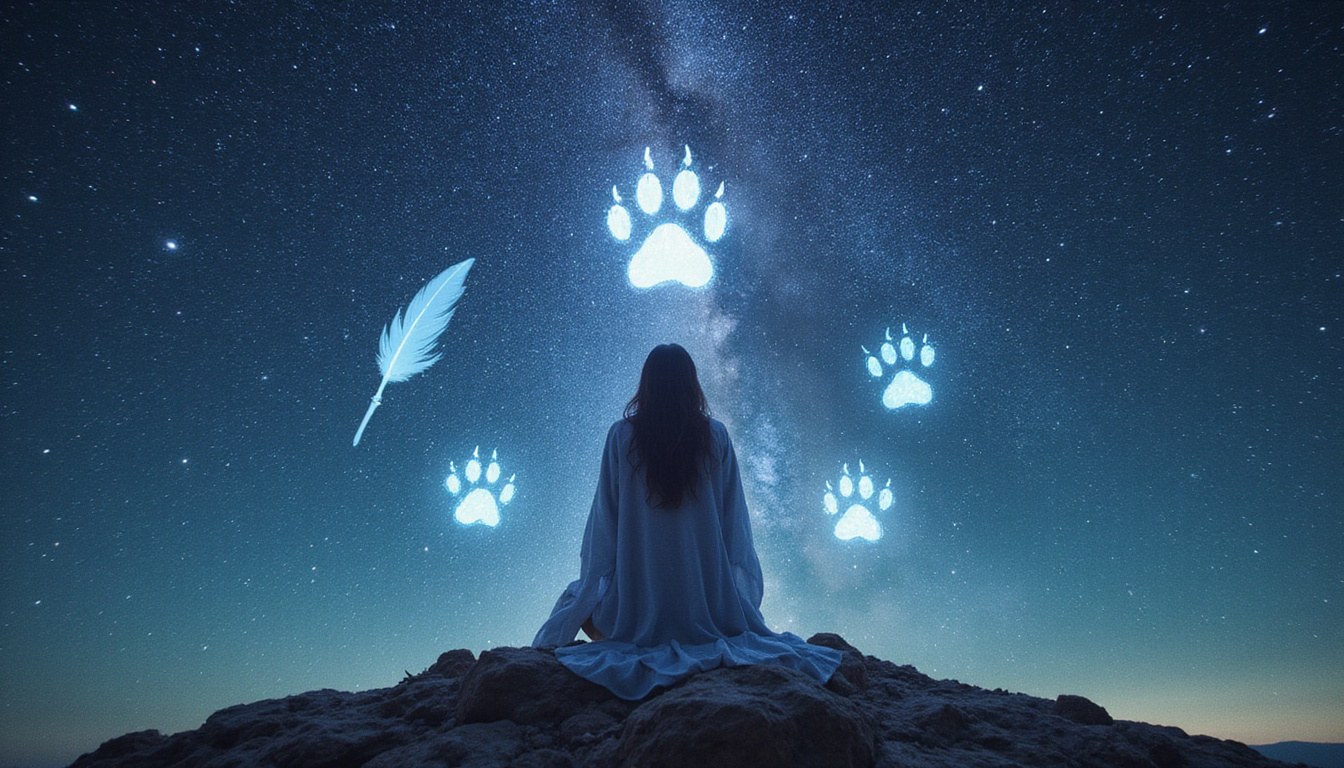
3. Look for Personal Resonance
Beyond traditional meanings, ask: What does this animal mean to me personally?
Perhaps:
- You had a beloved childhood dog, so dogs symbolize comfort and safety
- You fear snakes, so they may highlight buried anxieties you need to address
- Butterflies remind you of a deceased relative, so their appearance feels like connection or reassurance
Animal omens are often most powerful when viewed as mirrors of your inner life rather than rigid predictions.
A Simple Practice for Working With Animal Omens
To build a more conscious relationship with animal omens, you can use this simple process:
- Pay attention
- Make a quiet habit of noticing wildlife: birds, insects, mammals, even city-dwelling animals.
- Record your encounters
- Keep a small journal or notes app with date, animal, location, and your emotional state.
- Research both symbolism and biology
- Look up cultural meanings of that animal and basic facts about its behavior and ecology.
- Reflect, don’t obsess
- Ask what this encounter might be nudging you to acknowledge—then let it go.
- Act ethically
- Never chase, provoke, or harm animals in pursuit of signs; real spiritual practice is based on respect.
Over time, patterns may emerge. Certain animals might appear during stress, change, or joy, shaping a personal library of animal omens unique to your journey.
Healthy Skepticism: Staying Grounded With Animal Omens
It’s possible to find wisdom in animal omens without giving them absolute power over your decisions. Keep these principles in mind:
- Avoid fear-based superstition: If a single crow or spider ruins your day, you may be giving external signs too much control.
- Use omens as prompts, not commands: Let them inspire reflection and insight, but make choices based on your values, facts, and inner clarity.
- Respect mental health: If you notice obsessive checking for signs or intense anxiety around omens, it might be helpful to talk with a mental health professional.
A balanced approach lets animal omens enrich your life rather than dominate it.
FAQ: Common Questions About Animal Omens
1. Are animal omens real or just coincidences?
Whether animal omens are “real” depends on your perspective. From a spiritual view, they can be genuine messages or synchronicities. From a psychological angle, they’re meaningful patterns your mind recognizes in random events. In practice, the value comes from the insight, comfort, or motivation you draw from them—while still respecting that animals are living beings with their own purposes, not just symbols for humans.
2. What does it mean when I keep seeing the same animal as an omen?
Repeated animal omens—like the same bird, insect, or mammal appearing often—may signal a theme in your life that needs attention. You might ask: What qualities do I associate with this animal? How do those qualities relate to my current challenges or growth? Look for patterns in when and where the animal shows up, and consider journaling to track your impressions over time.
3. How can I tell if an animal omen is good or bad?
Many traditions label specific animal omens as “good” or “bad,” but a more nuanced approach is to see them as informative rather than purely positive or negative. A crow might alert you to change or endings (unsettling but necessary), while a butterfly may confirm transformation and hope. Reflect on what the omen might be encouraging you to face or embrace, rather than simply judging it as lucky or unlucky.
Let Animal Omens Deepen Your Connection With Nature
Listening for animal omens is ultimately less about predicting the future and more about transforming the present. Each encounter—whether with a soaring hawk, a persistent spider, or a shy deer—invites you to pause, notice, and ask: What is life showing me right now?
You don’t need to believe every superstition to let these moments guide self-reflection, spark intuition, or renew your sense of belonging in the natural world. When you treat creatures as teachers instead of props, animal omens become a living dialogue between you and the environment you share.
If you’re ready to go deeper, start today: step outside, slow your breathing, and simply watch. Keep a journal, learn about your local wildlife, and explore the rich symbolic language that cultures have built around them. Let the next animal you encounter be more than a passing blur—let it be the beginning of a more attentive, meaningful relationship with the living world around you.
Animals have inspired symbols and beliefs across cultures for centuries. Discover how these traditions connect with psychology, spirituality, and human consciousness at SpiritualMindScience.com.