Jade Plant Care Hacks That Instantly Transform Your Foliage
If your jade plant looks a bit dull, leggy, or just “okay,” a few smart jade plant care hacks can instantly transform your foliage from tired to thriving. Whether you’re a beginner or a seasoned plant parent, understanding how this succulent thinks—how it drinks, eats, and grows—will help you get those thick, glossy leaves and bushy shape you’ve been dreaming of.
Below are practical, easy-to-implement tips you can start using today.
1. Understand Your Jade Plant’s Natural Habitat
The fastest way to improve jade plant care is to mimic where it comes from. Jade (Crassula ovata and related species) is native to arid regions of South Africa and Mozambique. That tells you three key things:
- It loves bright, intense light.
- It prefers dry, fast-draining soil.
- It hates sitting in water.
When you recreate these conditions in your home, the foliage responds quickly: stems thicken, leaves grow more compact, and color deepens.
2. Light Hacks for Compact, Bushy Growth
Light is the single most important factor for a jade plant’s shape and leaf quality.
Aim for Bright, Direct Light (But Introduce Slowly)
Jades that get enough light have:
- Short internodes (the gaps between leaves)
- Thick, strong stems
- Deep green leaves, often with red margins
Place your jade plant:
- In a south- or west-facing window in the Northern Hemisphere (north- or east-facing in very hot climates).
- About 1–2 feet from the glass if the sun is intense, especially in summer.
If your plant has been in low light, increase light gradually over 1–2 weeks to avoid sunburn—move it a little closer to the window every few days.
Rotate for Even, Symmetrical Foliage
A jade plant will lean strongly toward its light source. For an evenly shaped plant:
- Rotate the pot 90° every week.
- In strong sun, rotate every 3–4 days for very symmetrical growth.
This simple hack prevents a one-sided, lopsided plant and encourages even branching.
3. Watering Hacks: Avoid the #1 Jade Plant Killer
Overwatering is the leading cause of jade plant problems—yellow leaves, mushy stems, root rot. Underwatering might wrinkle some leaves, but it’s far easier to fix.
Use the “Dry-Down” Method (Not a Schedule)
Instead of watering every week or two by habit, try this:
- Stick your finger 1–2 inches into the soil.
- Only water when it feels completely dry at that depth.
- During active growth (spring–summer), this may be every 7–14 days.
- During winter dormancy, it may stretch to 3–4 weeks or more.
Always water deeply until excess flows from the drainage hole, then let the pot drain completely. Never let a jade plant sit in a saucer of standing water.
Check Leaf Texture as a Built-In Moisture Gauge
Your jade’s leaves tell you a lot:
- Firm, plump leaves: Moisture level is good.
- Slightly wrinkled, softer leaves: Time to water.
- Yellowing, mushy, or translucent leaves: Likely overwatering or rot.
Combine this with the dry-down method for almost foolproof watering.
4. Soil and Pot Hacks for Healthier Roots
Even perfect watering won’t save a jade plant that’s sitting in heavy, water-retentive soil.
Use a Gritty, Succulent-Friendly Mix
Aim for a fast-draining mix such as:
- 50–60% high-quality cactus/succulent soil
- 40–50% mineral amendment (pumice, perlite, or coarse sand)
You want water to flow through quickly, not pool. Avoid potting soils high in peat without added grit—they hold too much moisture.
Choose the Right Pot Material and Size
- Pot material: Unglazed terracotta is ideal. It “breathes,” allowing moisture to evaporate faster.
- Size: Only go 1–2 inches wider than the current root ball. Oversized pots retain extra water in unused soil, increasing risk of rot.
- Drainage: Non-negotiable. Every jade plant pot must have a drainage hole.
Repot every 2–3 years in early spring, or when roots are circling the pot and growth has slowed.
5. Pruning and Shaping Hacks for Fuller Foliage
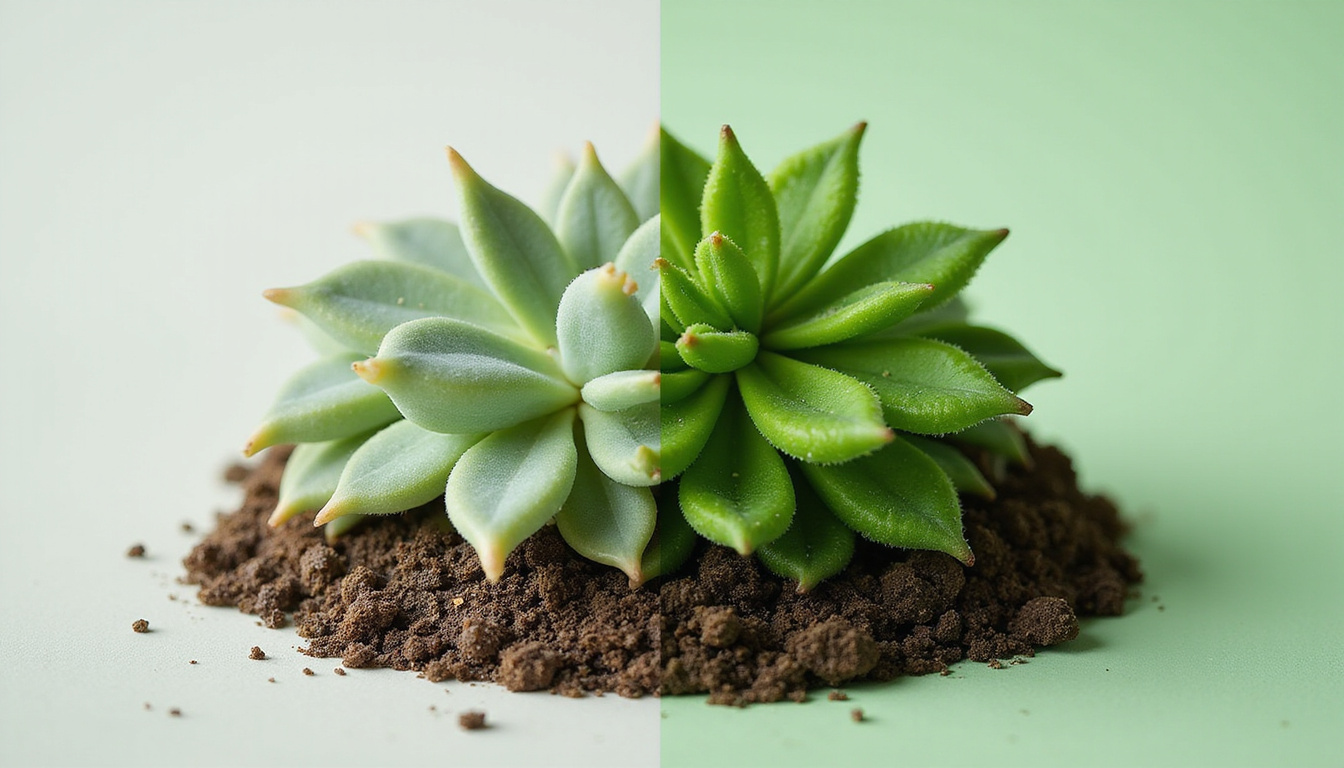
Pruning is where you can instantly transform how your jade plant looks. With a few careful cuts, a leggy, top-heavy plant can become compact and beautifully branched.
Pinch for Bushier Tops
On younger plants or new growth:
- Use clean fingers or scissors to pinch off the soft tip of a stem, just above a leaf pair.
- This encourages two or more new branches to form at the pinch point.
Do this regularly during the growing season for a dense, bonsai-like crown of foliage.
Hard Pruning to Correct Leggy Growth
For older, stretched plants:
- Identify bare, overly long stems.
- Cut back to a node (a point where leaves grow or used to grow).
- Leave at least a few sets of leaves on each stem so the plant can recover.
Your jade plant will push out new shoots lower down, filling in the structure over several weeks.
Use Cuttings to Propagate New Plants
Don’t toss what you prune:
- Let cut stems dry for 2–7 days until the cut end calluses.
- Plant in dry, gritty succulent mix.
- Mist lightly or water sparingly until roots form.
This gives you backup plants and lets you experiment with different training shapes.
6. Fertilizer and Nutrition Hacks for Vibrant Leaves
Jade plants are not heavy feeders, but a little nutrition goes a long way toward lush foliage and strong stems.
Light, Occasional Feeding Is Best
During the growing season (spring to early fall):
- Use a balanced, dilute liquid fertilizer (e.g., 10-10-10 or 3-1-2).
- Apply at ¼–½ the recommended strength once a month.
- Always fertilize on damp soil, not completely dry soil, to avoid root burn.
Avoid fertilizing in winter when growth naturally slows.
Watch for Nutrient Deficiency Clues
- Pale, washed-out leaves: Possible nitrogen deficiency.
- Weak, thin new stems: May need a bit more overall nutrition.
- Brown leaf tips with ample water and light: Could be fertilizer salt buildup—flush the soil with plain water or repot.
Allowing some fresh air (open windows when weather allows) can also help strengthen cell walls and overall plant vigor.
7. Environmental Hacks: Temperature, Humidity & Stress Color
Jade plant care is easier if you understand how environment affects growth and leaf color.
Ideal Temperature Ranges
- Active growth: 65–80°F (18–27°C)
- Tolerable lows: Down to about 45–50°F (7–10°C), but avoid frost.
- Avoid: Sudden drafts, heat blasts from radiators, or A/C vents.
Moderately cooler nights (around 55–65°F / 13–18°C) can encourage sturdier growth and, in some varieties, deeper leaf coloration.
Use Stress Wisely for Red Edges
Mild “stress” can enhance jade plant foliage:
- Brighter sun (introduced gradually) can bring out red leaf margins.
- Slightly cooler nights can intensify color.
Do this gently—crispy, bleached patches mean the stress was too intense or too sudden.
8. Fast Fixes for Common Jade Plant Problems
Transforming your jade plant’s foliage often means correcting small issues early.
Problem → Quick Hack
-
Leggy, stretched stems
→ Move to brighter light and prune tips to encourage branching. -
Yellowing, squishy leaves
→ Reduce watering, check roots for rot, and repot in gritty soil if needed. -
Wrinkled, thin leaves (but soil dry)
→ Water deeply and adjust your schedule to avoid overly long dry spells. -
Brown spots or scarring on leaves
→ Check for past sunburn or pests; improve light gradually and inspect under leaves. -
White, dusty film or cottony clusters
→ Likely mealybugs or powdery mildew. Dab pests with alcohol on a cotton swab, and increase air circulation.
For more detailed pest ID and treatment methods, university extension resources and the Royal Horticultural Society are reliable references (e.g., RHS advice – source).
9. Styling Hacks: Show Off Your Best Foliage
Once your jade plant is healthy, you can showcase it to make the foliage look even more impressive.
- Use simple pots: Neutral terracotta or white ceramic makes glossy green leaves pop.
- Group with contrasting plants: Pair with thin, grassy or trailing plants to emphasize your jade’s chunky structure.
- Clean leaves occasionally: Wipe gently with a soft, barely damp cloth to remove dust and reveal natural shine. Avoid leaf-shine products.
Elevating the pot on a stand near a bright window also helps you enjoy the thick canopy at eye level.
Quick Jade Plant Care Checklist
Use this list as a quick reference to keep foliage looking its best:
- Bright, direct or very bright indirect light (introduced gradually).
- Well-draining, gritty succulent mix.
- Terracotta pot with drainage, not oversized.
- Water only when the top 1–2 inches of soil are completely dry.
- Rotate the plant regularly for even growth.
- Light monthly feeding in spring–summer at reduced strength.
- Prune and pinch tips during growing season for bushy shape.
- Keep in moderate temperatures; avoid drafts and extreme heat.
- Inspect periodically for pests and clean leaves gently.
FAQ: Common Questions About Jade Plant Care
1. How often should I water a jade plant indoors?
There’s no fixed schedule; frequency depends on light, pot size, and season. As a rule, water your indoor jade plant only when the top 1–2 inches of soil are completely dry. In bright light during summer, that might be every 7–10 days; in winter, sometimes only every 2–4 weeks.
2. Why is my jade plant dropping leaves?
Leaf drop in a jade plant is often caused by overwatering, sudden changes in light, or cold drafts. Check that the soil is fast-draining, the pot has good drainage, and you’re not watering on a schedule. Gradually adjust the plant to brighter light and keep it away from heaters and A/C vents.
3. How do I make my jade plant bushy instead of tall and leggy?
To make a jade plant bushy, give it more light and prune actively. Place it in a bright window, then pinch or cut back stem tips above leaf pairs during the growing season. This encourages new side branches, resulting in a fuller, more compact plant.
Transforming your jade plant’s foliage doesn’t require specialized tools or years of experience—just a better match between its natural needs and your home environment. Start by fixing light and soil, then fine-tune watering and pruning. Within a few weeks, you’ll see tighter growth, richer color, and a more sculptural form.
If you’re ready to take your jade plant from “surviving” to “stunning,” pick one or two of these hacks and put them into practice today. Then, as you see results, layer in more changes. Your jade can become the standout centerpiece of your collection—dense, glossy, and full of character—starting with the next time you water and move its pot.
Throughout history, many plants and herbs have been associated with luck, protection, and prosperity. To explore their deeper spiritual, psychological, and scientific significance, visit SpiritualMindScience.com.