The honesty plant (Lunaria annua), also known as money plant, silver dollar plant, or moonwort, is a cottage-garden favorite prized for its purple or white spring flowers and shimmering, coin-like seed pods. With just a bit of know-how, you can enjoy months of color in the border and then harvest gorgeous dried stems for arrangements. This guide covers everything you need to grow, care for, and collect seeds from honesty so it thrives year after year.
What Is the Honesty Plant?
Honesty is a biennial or short-lived perennial from the mustard family (Brassicaceae). It’s native to Europe but now widely grown in temperate gardens.
Key characteristics:
- Height: 60–90 cm (2–3 ft)
- Habit: Bushy, branching plant
- Flowers: Four-petaled, purple-mauve or white, blooming in spring
- Seed pods: Flat, round or oval, papery discs that dry to a silvery “coin”
- Life cycle: Usually grown as a biennial (leafy growth first year, flowers and seed pods second year)
Gardeners love honesty for its old-fashioned charm and versatility: it works in borders, wildlife gardens, naturalized areas, and cutting gardens.
Where to Grow Honesty: Light, Soil, and Climate
Getting the site right is the foundation of good honesty plant care.
Light Requirements
Honesty is adaptable, but it performs best in:
- Full sun to light shade in cool climates
- Partial shade in hotter regions, especially afternoon shade
Too much deep shade will reduce flowering and seed set, but dappled light under deciduous trees often suits it perfectly.
Soil Preferences
The honesty plant isn’t fussy, which is part of its appeal. Aim for:
- Well-drained soil – it dislikes waterlogged conditions
- Moderate fertility – overly rich soil can produce lush foliage with fewer blooms
- pH – slightly acidic to neutral (around 6.0–7.5)
Improve poor soil by mixing in garden compost or well-rotted manure. Heavy clay can be lightened with organic matter and some grit to aid drainage.
Climate and Hardiness
- Hardy in roughly USDA zones 4–8 (varies slightly by source and cultivar)
- Tolerates light frosts and cold winters
- Prefers cool to mild conditions; extreme heat may shorten flowering
Because the honesty plant self-seeds, once it’s happy in your garden it often reappears year after year with minimal effort.
Planting Honesty: Seeds, Spacing, and Timing
Most gardeners grow the honesty plant from seed rather than buying transplants. Sowing is simple if you time it right.
When to Sow
You can sow honesty seeds at two main times:
-
Late spring to midsummer (May–July in many temperate regions)
- Plants form rosettes their first year
- Flower and set seed the following spring
-
Early autumn (where winters are mild)
- Young plants establish before winter
- Bloom the following spring
Direct sowing outdoors is easiest, but honesty also does well started in pots and transplanted carefully.
How to Sow Honesty Seeds
-
Prepare the soil
- Remove weeds and stones
- Rake to a fine, crumbly texture
-
Sow seeds thinly
- Either in short drills (shallow rows) about 0.5–1 cm deep
- Or broadcast lightly and cover with a fine layer of soil
-
Water gently
- Keep the soil moist but not saturated until germination
- Seeds usually sprout in 1–3 weeks, depending on temperature
-
Thin seedlings
- Final spacing of 25–30 cm (10–12 in) apart
- Crowding can reduce airflow and encourage disease
If sowing in trays or modules, transplant seedlings when they have several true leaves and handle them by the leaves, not the delicate stems.
Everyday Care for the Honesty Plant
Once established, honesty is low-maintenance. A few simple practices will keep plants healthy and productive.
Watering
- Keep soil evenly moist, especially in the first growing season and during dry spells
- Deep, infrequent watering is better than constant light sprinkling
- Mature plants are reasonably drought-tolerant but will flower better with consistent moisture
Avoid waterlogging; soggy roots can cause rot.
Feeding and Fertilizing
The honesty plant generally doesn’t need heavy feeding. Use:
- A light application of balanced organic fertilizer in early spring if your soil is poor
- Or work in compost around the plants as a spring mulch
Over-fertilizing with high-nitrogen products may produce lots of leaves at the expense of flowering and seed pods.
Mulching
Apply a 2–5 cm (1–2 in) layer of organic mulch (leaf mold, bark chips, compost) around plants to:
- Conserve soil moisture
- Suppress weeds
- Moderate soil temperature
- Improve soil over time as it breaks down
Keep mulch a couple of centimeters away from the main stem to prevent rot.
Growing Honesty for Flowers vs. Seed Pods
You can grow the honesty plant with different priorities: spring color, dried seed pods, or both.
Encouraging Abundant Blooms
To get plenty of flowers:
- Site plants in at least morning sun
- Avoid excessive nitrogen in fertilizer
- Ensure steady moisture in early spring
- Remove competing weeds around the plant
Deadheading (removing spent flowers) can slightly extend the bloom period, but if you remove all the seed heads you won’t get the decorative pods later.
Maximizing the Iconic “Silver Dollar” Pods
The real magic of the honesty plant lies in its seed pods, which mature after flowering:
- Allow flowers to fade naturally and pods to swell and turn from green to brownish
- Support plants if they’re in a windy spot; broken stems mean fewer usable pods
- Avoid heavy feeding late in the season; let plants direct energy into ripening pods
You can balance both goals by deadheading some stems for longer color and leaving others to form seeds.
Harvesting and Using Honesty Seed Pods
Those shimmering discs are what make honesty irresistible to many gardeners and florists.
When to Harvest
Harvest seed stems when:
- Pods are fully formed and firm
- Outer casings are dry and papery, often beige or brown
- The inner membrane (the “silver dollar”) feels solid
Cut too early and the pods may shrivel; too late and they may shatter and drop seeds.
How to Dry and Clean Pods
- Cut stems with sharp pruners on a dry day
- Strip leaves from the lower part of the stem
- Hang upside down in small bunches in a dry, airy, shaded place for 2–3 weeks
- Once fully dry, peel away the outer layers of each pod
- You’ll reveal the pearly, translucent central disc
- Shake or gently rub to remove the loose seeds
The dried stems last for months, even years, indoors and fit beautifully into rustic, minimalist, or contemporary arrangements.
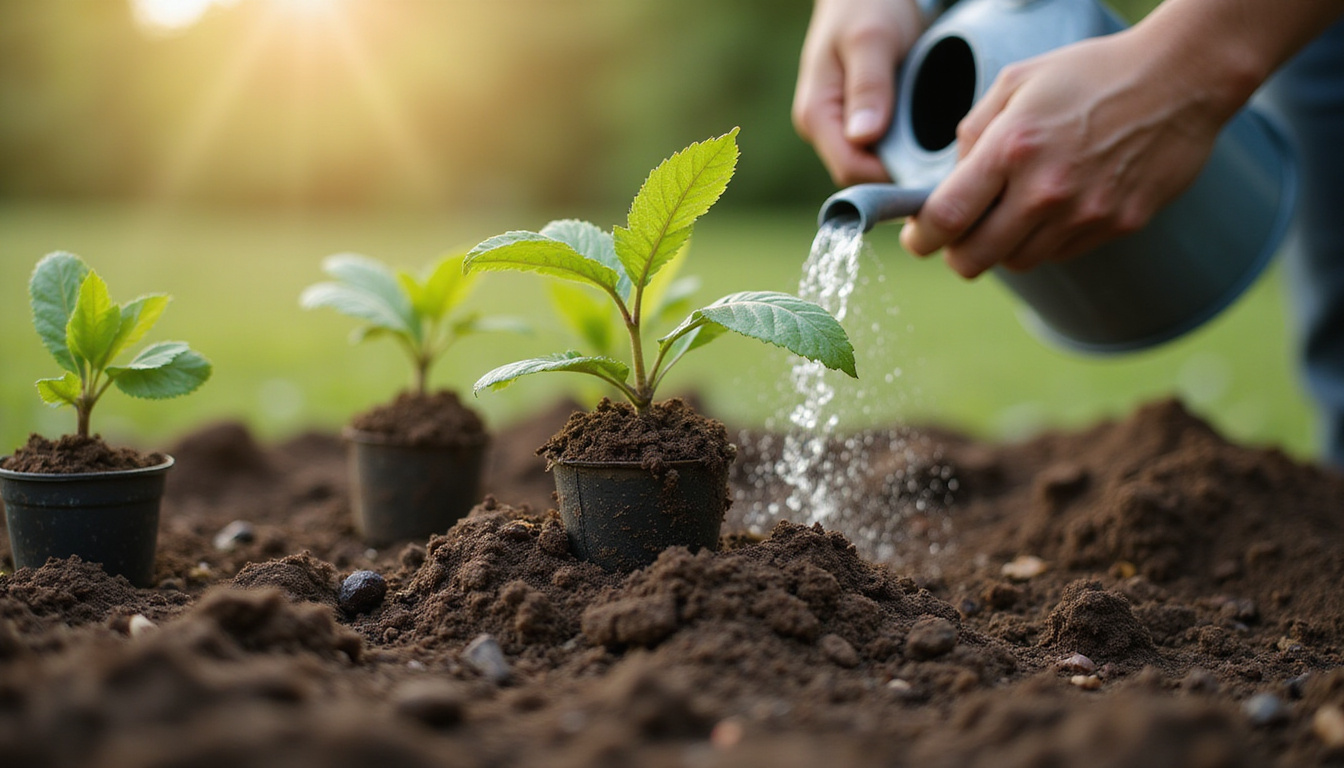
Saving and Sowing Honesty Seeds
Saving your own honesty plant seed is straightforward and lets you keep favorite colors going.
Collecting Seed
- After drying, collect seeds from inside the pods into labeled envelopes or paper bags
- Store in a cool, dry place away from direct light
- Seeds usually remain viable for several years
If you want controlled colors (for example, all-white honesty), collect seed only from those plants and remove other colors before they set seed.
Resowing for Continuous Displays
For a constant presence of honesty in the garden:
- Sow some seeds every year
- Let a portion of plants self-seed naturally by leaving pods on the plant until they shatter
Be aware: honesty self-seeds freely. If you prefer a tidier garden, harvest most pods before they drop seed and replant only where you want them.
Pests, Diseases, and Common Problems
The honesty plant is generally robust but can face a few issues.
Pests
- Slugs and snails
- May chew young seedlings and tender leaves
- Use physical barriers, hand-picking, or wildlife-friendly controls
- Cabbage white butterfly caterpillars (as honesty is in the mustard family)
- Check undersides of leaves for eggs and feed damage
- Remove by hand if numbers are small
Diseases
- Downy mildew / leaf spots
- Encouraged by crowding and poor air circulation
- Thin plants, avoid overhead watering, remove affected leaves
- Root rot
- From persistently waterlogged soil
- Improve drainage and avoid overwatering
Growth Problems
- No flowers the first year
- Normal for a biennial; blooms usually appear the second year
- Lots of leaves but few flowers
- Too much shade or nitrogen
- Plants disappearing after flowering
- Honesty is short-lived; rely on seedlings for future displays
The Royal Horticultural Society offers general guidance on biennial care and self-seeding ornamentals for further reading (source: RHS Gardening).
Design Ideas: Using the Honesty Plant in Your Garden
Honesty has a timeless look that fits many garden styles.
Consider these ideas:
- Cottage borders: Mix with foxgloves, columbines, and hardy geraniums
- Woodland edges: Plant under deciduous trees with hellebores and spring bulbs
- Wildlife gardens: Its flowers attract bees and other pollinators
- Cutting beds: Grow rows for both fresh flowers and dried stems
- Naturalized drifts: Let the honesty plant self-seed to create a relaxed, informal display
Varieties like white honesty (Lunaria annua ‘Alba’) give a luminous effect in part shade, while purple types add rich color.
Quick Care Checklist for Honesty
Use this as a handy reference:
- Choose a spot with sun to partial shade
- Ensure well-drained, moderately fertile soil
- Sow seeds in late spring to mid-summer (or early autumn where mild)
- Space plants 25–30 cm apart
- Keep soil moist but not soggy, especially while establishing
- Feed lightly in spring if soil is poor
- Allow some stems to set seed for pods and future plants
- Harvest and dry stems when pods are fully formed and papery
- Save seed from favorite plants to maintain preferred colors
FAQ: Honesty Plant Growing and Care
Q1: How do you grow an honesty plant from seed successfully?
Sow honesty seeds in loose, well-drained soil in late spring to mid-summer, covering them lightly with soil. Keep the area evenly moist until germination. Thin seedlings to about 25–30 cm apart. Expect leafy rosettes in the first year and flowers plus seed pods the following year.
Q2: Is the honesty plant perennial or biennial, and will it come back?
Honesty is technically a biennial or short-lived perennial, but most gardeners treat it as a biennial. Individual plants may not persist long, but it self-seeds readily, so it often returns year after year in the same area if you allow some seed pods to ripen and shatter.
Q3: How do I dry honesty seed pods for decoration without them falling apart?
Cut stems when pods are fully developed and turning dry and papery. Hang the stems upside down in a dry, shaded area with good air circulation for a couple of weeks. Once dry, gently rub or peel away the outer layers of each pod to reveal the silvery inner disc, shaking out the seeds as you go.
Bring Honesty’s Shimmer and Charm Into Your Garden
With its vibrant spring blooms and unforgettable silver seed pods, the honesty plant offers beauty in two seasons and lasting value indoors as dried décor. It asks for little—reasonable light, decent soil, and a bit of space—and rewards you with a self-sustaining display that can become a signature feature of your garden.
If you’re ready to add this classic favorite to your beds and borders, start by choosing a sunny or lightly shaded spot and sowing a packet of seeds this season. Nurture those first rosettes, let some stalks ripen to coin-like pods, and within a couple of years you’ll have a natural cycle of honesty plants returning on their own. Begin now, and you’ll soon be cutting armfuls of glistening “silver dollars” for vases, wreaths, and arrangements all year long.
Throughout history, many plants and herbs have been associated with luck, protection, and prosperity. To explore their deeper spiritual, psychological, and scientific significance, visit SpiritualMindScience.com.