The Psalter has shaped the worship life of God’s people for thousands of years. Far more than an old hymnbook, it’s a Spirit-breathed guide for prayer, praise, lament, and everyday discipleship. Whether you’re a pastor, worship leader, or individual believer, rediscovering the Psalter can transform how you relate to God—personally and in community.
This guide will walk you through what the Psalter is, why it matters today, and practical ways to weave its timeless practices into modern worship.
What Is the Psalter?
The term Psalter traditionally refers to the Book of Psalms, especially when arranged for liturgical or devotional use. Historically, “psalter” could mean:
- A copy of the biblical Psalms (often in Latin, Greek, or a vernacular translation)
- A liturgical book containing the Psalms divided for daily or weekly recitation
- A musical adaptation of the Psalms for congregational singing
At its core, the Psalter is:
- A prayer book – teaching you how to speak honestly to God in every emotional season
- A songbook – shaping the content and tone of congregational worship
- A theological manual – revealing who God is, what He loves, and how He acts
- A spiritual formation tool – training your heart over time through repeated use
The Psalter remains central in Jewish, Catholic, Orthodox, Anglican, Reformed, and many Protestant traditions because it gives God’s people inspired words to pray and sing back to Him.
Why the Psalter Still Matters in Modern Worship
Some see the Psalms as “Old Testament hymns” and assume they’re less relevant than contemporary worship songs. In reality, the Psalter addresses precisely what today’s church often struggles with.
1. Emotional Honesty Before God
The Psalms are brutally honest. You’ll find:
- Joy and exuberant praise
- Doubt, confusion, and questioning
- Anger, grief, and cries for justice
- Repentance, trust, and quiet hope
Using the Psalter regularly teaches communities that God can handle real emotions—not just “Sunday best” piety. This is especially vital in a cultural moment marked by anxiety, despair, and polarization.
2. A Balanced, God-Centered Worship Diet
Left to ourselves, we tend to sing about what feels good or culturally comfortable. The Psalter pulls worship back into balance, emphasizing:
- God’s character and faithfulness
- His righteousness and justice
- The reality of sin and repentance
- The hope of God’s kingdom and ultimate victory
Researchers and church historians note that regular psalm use strengthens biblical literacy and theological depth in congregations (source: Bible Project – Psalms overview).
3. Connection With the Historic Church
From early Jewish synagogues to the early church, monasteries, Reformation-era churches, and modern liturgical traditions, the Psalter has been the backbone of worship. When you pray or sing the Psalms, you join a global and historical chorus of believers who have found these prayers sufficient in every age.
Understanding the Structure and Flow of the Psalter
The Psalter is not a random collection of poems. It’s a carefully shaped book of 150 psalms arranged into five “books” (Psalms 1–41, 42–72, 73–89, 90–106, 107–150). Seeing this structure can deepen your worship.
The Five-Book Shape
Many scholars see the five books of the Psalter as echoing the five books of Moses (Genesis–Deuteronomy). Broadly:
- Book I (Psalms 1–41) – Focus on individual lament and trust in the Lord
- Book II (Psalms 42–72) – Communal struggles and the kingship of God
- Book III (Psalms 73–89) – Crisis: the fall of Davidic kingship and national suffering
- Book IV (Psalms 90–106) – Re-centering on God as true King and dwelling place
- Book V (Psalms 107–150) – Renewed hope, praise, and anticipation of God’s kingdom
This movement guides worshipers through realism (suffering, doubt) to renewed praise rooted in God’s character, not circumstances.
An Entryway: Psalms 1 and 2
Psalms 1 and 2 function like doors into the Psalter:
- Psalm 1 – The blessed person delights in God’s Torah (instruction) and meditates day and night.
- Psalm 2 – The nations rage, but God’s King rules and will be established forever.
Together they say: if you want to use the Psalter rightly, you must be shaped by God’s Word and hope in God’s King.
Key Types of Psalms and How to Use Them
To transform your worship with the Psalter, it helps to recognize different types of psalms. Each serves a distinct role in spiritual life.
1. Psalms of Praise
These psalms explode with adoration for who God is and what He has done.
- Examples: Psalms 8, 19, 29, 65, 96, 98, 145–150
- Themes: God’s power, creation, covenant faithfulness, salvation, kingship
How to use them:
Open services, personal prayers, or small group gatherings with a verse or whole psalm of praise to orient hearts Godward.
2. Psalms of Lament
Lament psalms are cries from the pit of suffering, injustice, or spiritual darkness.
- Examples: Psalms 3, 6, 13, 22, 42, 88
- Structure often includes: complaint, request for help, confession of trust
How to use them:
- In times of tragedy or communal grief
- To give words to those wrestling with depression, illness, or unanswered prayer
- As part of pastoral care, counseling, or healing services
3. Psalms of Thanksgiving
These emerge after deliverance, thanking God for answered prayer.
- Examples: Psalms 30, 34, 40, 116, 118
How to use them:
Invite people to pray or recite them after specific testimonies, healings, or seasons of answered prayer.
4. Royal and Messianic Psalms
These focus on the king of Israel, who points forward to the Messiah.
- Examples: Psalms 2, 45, 72, 89, 110
How to use them:
In Christian worship, these are rich for Advent, Christmas, Easter, Ascension, and preaching on Christ’s kingship.
5. Wisdom Psalms
Wisdom psalms teach the way of righteous living.
- Examples: Psalms 1, 37, 73, 119, 127, 128
How to use them:
For discipleship, retreats, and teaching series on Christian ethics, spiritual habits, or Scripture meditation.
Practical Ways to Integrate the Psalter into Worship
You don’t need to overhaul your entire service to benefit from the Psalter. Start with small, intentional practices and build over time.
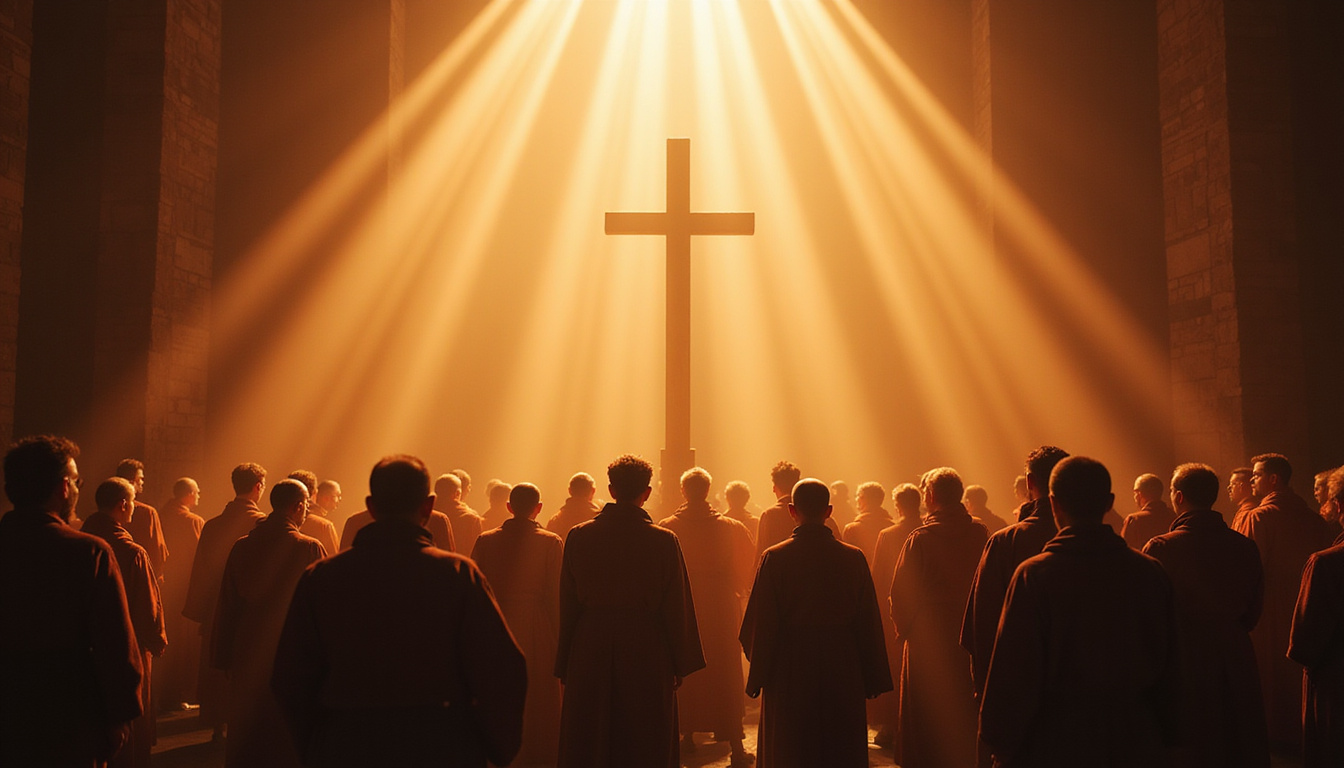
For Congregational Worship
-
A Psalm of the Day
Read one psalm (or part of a psalm) aloud each service. Rotate types: lament, praise, thanksgiving, wisdom. -
Responsorial Reading
- Leader reads a verse or two
- Congregation responds with a repeated line (e.g., “His steadfast love endures forever” – Psalm 136)
-
Singing the Psalms
Use metrical psalms (psalms paraphrased in regular meter) or modern musical settings. Many churches sing Psalm 23, 46, 51, and 103 regularly. -
Prayers Shaped by Psalms
Begin pastoral prayer with psalm lines:- “Lord, You are our refuge and strength, a very present help in trouble (Psalm 46)…”
-
Seasonal Use
- Lent: Psalms 32, 38, 51 (penitence)
- Holy Week: Psalms 22, 31, 69 (suffering and trust)
- Easter: Psalms 16, 118 (resurrection and victory)
- Advent/Christmas: Psalms 2, 72, 96–98
For Personal Devotion
-
Daily Psalm Practice
Read one psalm daily, slowly. Ask:- What does this show me about God?
- Which lines express my heart today?
- How can I pray this psalm personally?
-
Praying Through Emotions
Pick psalms that match your state:- Fear/anxiety: Psalms 27, 46, 91
- Guilt/shame: Psalms 32, 51
- Joy/gratitude: Psalms 30, 103, 145
-
Memorization
Start with short psalms: 23, 121, 131, 133. Recite during walks, commutes, or before sleep. -
Journaling the Psalter
Rewrite a psalm in your own words, line by line, while staying faithful to its meaning.
For Small Groups and Families
- Read a psalm aloud and let each person share one line that stands out.
- Use a psalm as the opening or closing prayer each meeting.
- With children, sing simple, repetitive psalm choruses (“Give thanks to the Lord, for He is good” – Psalm 107:1).
A Simple Plan to Journey Through the Psalter
If the Psalter feels overwhelming, a structured approach can help. Here’s a manageable, flexible plan:
-
Start With “Gateway Psalms” (2–4 weeks)
- Psalms 1, 2, 8, 19, 23, 46, 51, 73, 91, 103, 139, 145
-
Move to “Prayer Essentials” (4–8 weeks)
- Lament and trust psalms: 3, 13, 22, 27, 42–43, 62, 88, 130
- Praise and thanksgiving psalms: 30, 34, 100, 111–113, 118, 136, 150
-
Read One Psalm a Day (150 days)
Don’t rush. Some days, linger on a single verse. Other days, read two psalms if one is very short. -
Repeat and Go Deeper
The power of the Psalter comes through repetition over years, not a single pass. Notice how the same psalm speaks differently in different seasons.
Common Obstacles and How to Overcome Them
Many who want to use the Psalter regularly hit similar roadblocks.
“Some Psalms Sound Harsh or Violent”
Imprecatory psalms (calling for judgment) can be difficult. Rather than skipping them:
- See them as honest cries against real evil and injustice
- Let them train you to bring anger and desire for justice to God, not to vengeance
- In Christian perspective, read them through the lens of Christ’s final judgment and the call to love enemies
“The Language Feels Distant or Ancient”
If archaic translations feel like a barrier:
- Try multiple translations and paraphrases
- Read aloud slowly; poetry often needs to be heard, not just seen
- Learn a few key Hebrew terms (like hesed—God’s steadfast love) to deepen appreciation
“Our Church Already Has a Music Style”
Integrating the Psalter isn’t about abandoning your style; it’s about enriching your content.
- Blend psalm-based lyrics with your existing musical genre
- Introduce short refrains from psalms between songs
- Use spoken psalm readings within contemporary sets
FAQ: Psalter, Psalmody, and Modern Worship
1. What is a Psalter in Christian worship today?
A modern Psalter is often a printed or digital collection of the biblical Psalms arranged for congregational or personal use—sometimes with musical settings, responsive readings, or topical indexes to make psalm-based worship easier.
2. How is a Psalter different from regular psalm reading?
Using a Psalter usually implies a pattern: psalms assigned for certain days, hours, or occasions (morning prayer, evening prayer, feasts, funerals, etc.). Regular reading is flexible; a Psalter structures your engagement so you encounter the full range of praise, lament, and wisdom over time.
3. What is psalmody and why pair it with a Psalter?
“Psalmody” means the singing or chanting of psalms. When you combine a thoughtfully arranged Psalter with regular psalmody, you ensure that sung worship is saturated with Scripture itself, not just humanly composed lyrics, while still allowing musical creativity.
Let the Psalter Re-Shape Your Worship Life
You don’t have to become a scholar or change traditions to let the Psalter renew your worship. Start by choosing one psalm to pray each day, or one to include in every service. Let its language of praise, lament, trust, and hope slowly become your own.
As you do, you’ll find that:
- Your prayers grow deeper and more honest
- Your worship becomes more theologically rich and emotionally real
- Your community is better equipped to face both joy and suffering with faith
Begin today: open the Psalms, choose one, and speak it aloud as your own prayer. If you’re a leader, plan this coming week’s gathering around a single psalm. Allow the ancient voice of the Psalter to guide your next step—and watch how God uses these timeless songs to transform the way you worship.
Sacred objects often carry deep cultural and spiritual meaning. Learn how these symbols relate to history, spirituality, and the human mind by exploring more articles at SpiritualMindScience.com.