Cultivating a healthy, flowering plum blossom tree is one of the most rewarding experiences for any gardener. Whether you’re drawn to their clouds of pastel petals, their delicate perfume, or their deep cultural symbolism, mastering plum blooms is absolutely achievable with the right guidance.
Below you’ll find practical, experience-based tips on choosing, planting, and caring for plum trees so you can enjoy vibrant, fragrant blossoms year after year.
Understanding Plum Blossoms: Ornamental vs. Fruiting
Before you plant, it helps to understand exactly what you’re growing. Not all plum trees behave the same way.
Ornamental Plum Blossoms
Ornamental plums are grown primarily for their flowers and foliage, not their fruit. Common traits:
- Abundant spring blossoms, often white or pink
- Purple or reddish foliage on some varieties
- Minimal or inedible fruit
- Compact sizes suitable for small gardens
These are perfect if your main goal is a spectacular, flower-filled display every spring.
Fruiting Plum Trees with Beautiful Blossoms
Many fruiting plums also deliver spectacular blooms:
- White or pale pink flowers in early to mid-spring
- Sweet, edible fruit in summer
- Ideal for gardens where both beauty and harvest matter
When choosing a plum, decide whether your priority is maximum bloom display, fruit production, or a balanced mix of both.
Choosing the Right Plum Blossom Variety for Your Climate
Your success with plum blossom trees starts with matching the variety to your local conditions.
Consider Chilling Hours
Plums need a certain number of winter chilling hours (time spent between 32–45°F / 0–7°C) to flower properly. Varieties are often labeled:
- Low-chill: 150–400 hours – better for warm climates with mild winters
- Medium-chill: 400–700 hours – suitable for many temperate regions
- High-chill: 700+ hours – best for colder climates with reliable winters
Check your region’s average chilling hours and select plum trees accordingly (your local extension service often lists these details).
Popular Plum Blossom Types to Consider
-
Prunus mume (Japanese apricot / plum blossom)
Famous in East Asia. Highly fragrant, cold-hardy, and blooms very early—often when snow is still on the ground. -
Flowering plum (Prunus cerasifera)
A widely planted ornamental. Varieties like ‘Thundercloud’ and ‘Nigra’ have purple foliage and soft pink blossoms. -
European plums (Prunus domestica)
Great for both fruit and flowers; typically need more winter chill. -
Japanese plums (Prunus salicina)
Often more vigorous, with showy spring blossoms and juicy fruits; many cultivars suit milder climates.
Choosing a variety adapted to your region dramatically increases your odds of heavy bloom.
Ideal Site Conditions for Abundant Plum Blossoms
Where and how you plant your plum tree has a major impact on bloom quality.
Sunlight Needs
Plums are sun-lovers. For the best plum blossom display:
- Aim for at least 6–8 hours of full sun daily.
- Avoid deep shade from buildings or large trees.
- Morning sun is especially valuable because it dries dew and reduces disease.
Trees grown in too much shade often become leggy and flower poorly.
Soil Requirements
Plums are not extremely fussy, but a few soil basics matter:
- Well-drained soil is critical; avoid waterlogged sites.
- Loamy soils (mix of sand, silt, and clay) are ideal.
- A slightly acidic to neutral pH (about 6.0–7.0) is usually best.
If your soil is heavy clay, mix in organic matter and consider planting on a slight mound to improve drainage.
Air Circulation and Frost Pockets
To protect your plum blossom display:
- Avoid low-lying frost pockets where cold air settles.
- Allow good air movement around the tree to minimize fungal issues.
- In very windy sites, provide a windbreak (hedge, fence, or structure) without shading the tree.
Planting Plum Trees the Right Way
Proper planting sets the foundation for strong bloom performance in future years.
When to Plant
- Bare-root trees: Late winter to very early spring, while still dormant.
- Container-grown trees: Spring or fall, when extremes of heat or cold are not an issue.
Step-by-Step Planting Guide
-
Prepare the hole
- Dig a hole about twice as wide as the root system and just as deep.
- Roughen the sides of the hole to help roots penetrate.
-
Assess the roots
- For bare-root trees, spread out the roots and trim any broken pieces.
- For potted trees, gently tease apart circling roots.
-
Position the tree
- Place the tree so the graft union (the swollen area above the rootstock) sits a few inches above the final soil line.
- Make sure it is straight from all angles.
-
Backfill with native soil
- Refill using the soil you removed, breaking clods as you go.
- Firm gently to remove air pockets, but don’t compact heavily.
-
Water deeply
- Thoroughly soak the planting area after planting.
- Add more soil if it settles.
-
Mulch correctly
- Apply 2–3 inches of organic mulch, keeping it 3–4 inches away from the trunk.
- Mulch helps conserve moisture and regulate soil temperature.
Proper planting helps your young tree establish quickly so it can devote energy to future plum blossom displays.
Watering and Feeding for Strong Blooming
Plum trees need balanced water and nutrients to support lush flowering.
Watering Guidelines
- First year: Keep the root zone consistently moist, but not soggy. Water deeply once or twice a week in dry spells.
- Established trees: A deep soak every 7–14 days during dry weather is usually sufficient.
- Focus water at the dripline (under the outer edge of the canopy), where active feeder roots live.
Inconsistent watering—especially severe drought—can reduce bloom and cause stress-related disease issues.
Fertilizing for Plum Blossoms
Over-fertilizing, especially with too much nitrogen, promotes leaves over flowers.
- In late winter or very early spring, apply a balanced fertilizer (e.g., 10-10-10) based on soil test recommendations.
- Avoid heavy nitrogen sources like lawn fertilizers near the root zone.
- If growth is excessive (long, whippy shoots), reduce or skip nitrogen for a year.
If possible, perform a soil test every few years to fine-tune your nutrient program (many agricultural extensions offer testing) (source: USDA NRCS).
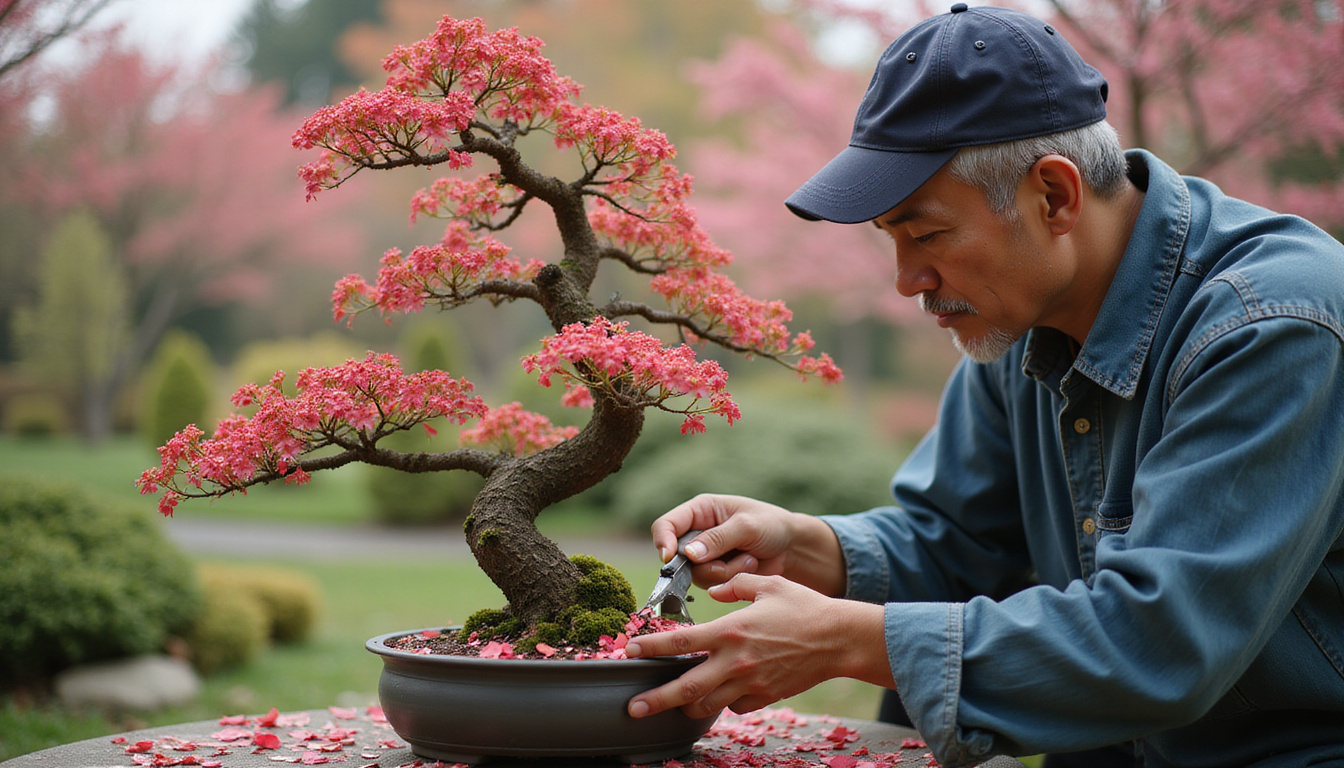
Pruning Techniques to Maximize Plum Blossom Displays
Thoughtful pruning shapes your tree and increases flower production.
Why Pruning Matters for Blossoms
- Encourages new, fruiting and flowering wood
- Opens the canopy so light penetrates, triggering more buds
- Improves airflow and reduces disease
When to Prune
- Structural pruning: Late winter while the tree is dormant.
- Light thinning and deadwood removal: After flowering or harvest.
Avoid heavy pruning in late summer or fall; it can stimulate tender new growth that may be damaged by winter cold.
Basic Pruning Principles
-
Remove dead, diseased, or crossing branches
This protects tree health and opens the structure. -
Open the center (for many plum types)
- Aim for a vase-like shape with 3–5 main scaffold branches.
- This lets sunlight reach inner branches, boosting plum blossom production.
-
Shorten overly long branches
- Cut back to an outward-facing bud or side branch.
- This encourages side shoots where more blossoms will form.
-
Avoid over-pruning
Removing more than about 25–30% of the canopy in a year can stress the tree and reduce flowering.
Proper pruning may seem intimidating at first, but consistent, light pruning each year is more effective (and safer) than severe pruning every few years.
Protecting Plum Blossoms from Pests and Diseases
Healthy trees are far more likely to produce abundant, long-lasting blooms.
Common Issues Affecting Plum Blossoms
- Brown rot: Causes flower blight and fruit rot; blossoms may turn brown and cling to branches.
- Leaf curl and spots: Some fungal diseases weaken trees, indirectly reducing flowering.
- Aphids and scale: Suck sap, causing stress that can reduce blossom vigor.
Preventive Care Strategies
- Sanitation: Remove and dispose of fallen leaves and “mummified” fruit to reduce disease carryover.
- Pruning: Maintain an open canopy so leaves and flowers dry quickly.
- Monitoring: Check buds and young shoots regularly in spring for insects or unusual discoloration.
Use disease-resistant cultivars where available, and follow local guidance for any necessary treatments.
Seasonal Care Calendar for Reliable Plum Blossoms
A simple annual rhythm helps ensure your plum blossom display improves year after year.
-
Late Winter
- Prune for structure and remove dead/diseased wood.
- Apply balanced fertilizer based on soil needs.
- Check for overwintering pests.
-
Early to Mid-Spring
- Enjoy and monitor blossoms.
- Ensure consistent watering if rainfall is low.
- Note any frost damage on buds and flowers.
-
Summer
- Water deeply during dry periods.
- Harvest fruit (if applicable).
- Remove watersprouts and small problem branches.
-
Fall
- Clean up fallen leaves and fruit.
- Refresh mulch layer.
- Avoid heavy pruning or high-nitrogen feeding.
Following this cycle encourages healthy growth and plentiful plum blossoms each spring.
Design Ideas: Showcasing Your Plum Blossom Tree
Plum blossoms can become the star of your late-winter or early-spring garden.
Consider these placement ideas:
-
Entryway focal point
Plant near a front path or doorway where early blooms can be appreciated up close. -
Framed views
Position a plum tree to be visible from key windows—kitchen, living room, or home office—for a seasonal “living painting.” -
Mixed flowering grove
Combine plum blossom trees with cherries, pears, and ornamental crabapples for a staggered sequence of spring flowers. -
Small-space gardens
Choose dwarf or semi-dwarf varieties and prune to maintain a compact, flowering silhouette.
FAQ: Common Questions About Plum Blossoms
1. Why doesn’t my plum tree produce many flowers?
Sparse plum blossoms can result from:
- Insufficient sunlight (less than 6 hours/day)
- Excessive nitrogen fertilizer
- Pruning at the wrong time (removing flower buds)
- Frost damage to buds
- Variety not suited to your climate’s chilling hours
Evaluate each factor and adjust—often, correcting light and pruning timing makes a big difference.
2. How can I make my plum tree flower more heavily?
To encourage more plum tree blossoms:
- Ensure full sun and good air circulation.
- Prune lightly in late winter to open the canopy and encourage new spur growth.
- Avoid overfeeding with nitrogen; focus on balanced nutrition.
- Provide regular, deep watering during dry spells.
Over 2–3 seasons, these habits usually lead to noticeably fuller bloom.
3. When do plum trees typically bloom?
Plum flowering time varies with species, variety, and climate, but generally:
- Prunus mume: Very early, often late winter
- Ornamental flowering plums: Late winter to early spring
- Fruit-bearing plums: Early to mid-spring
Local microclimate, winter temperatures, and late frosts can shift bloom time by several weeks.
A well-chosen, well-cared-for plum tree can reward you with decades of breathtaking plum blossom displays—sheets of delicate petals, soft fragrance on cool spring air, and, if you wish, a harvest of sweet fruit later in the season.
If you’re ready to enjoy those early-spring clouds of color in your own garden, start by selecting a variety suited to your climate and site, then follow the planting, pruning, and care steps outlined above. With just a bit of yearly attention, your plum blossom show will become one of the most anticipated highlights of your gardening year.
Now is the perfect time to plan and plant: choose your ideal plum blossom variety, mark out the best sunny spot in your yard, and take the first step toward a spectacular spring display that only gets better with time.
Throughout history, many plants and herbs have been associated with luck, protection, and prosperity. To explore their deeper spiritual, psychological, and scientific significance, visit SpiritualMindScience.com.