A vigil lamp is much more than a small container of oil and flame—it’s a symbol, an atmosphere-maker, and a powerful design accent in your home or prayer corner. Whether you’re using a vigil lamp for religious devotion, meditation, or simple ambiance, knowing how to choose, care for, and style it can turn a simple object into a meaningful focal point.
Below you’ll find practical, people-focused tips on selecting the right lamp, keeping it burning safely and cleanly, and integrating it beautifully into your space.
What Is a Vigil Lamp—and Why It Matters
Traditionally, a vigil lamp is a small lamp—often glass or metal—kept burning continuously or regularly in front of an icon, altar, or sacred space. Today, many people also use them:
- As a gentle light for evening prayer or meditation
- To symbolize remembrance of loved ones
- As an intimate ambient light source in living spaces
- As a centerpiece in seasonal or holiday décor
Its soft, steady flame can instantly shift the mood of a room, inviting reflection, calm, and a sense of presence.
How to Choose the Right Vigil Lamp
Choosing a vigil lamp is part aesthetic, part practical, and part spiritual. Consider these key factors.
1. Purpose: Devotion, Ambiance, or Both?
First decide how you’ll primarily use your vigil lamp:
- Liturgical/devotional use – You may want a traditional hanging lamp or a sturdy standing lamp placed before icons, statues, or a prayer corner.
- Home ambiance – Simple tabletop vigil lamps or decorative glass oil lamps work well on side tables, mantels, or shelves.
- Memorial/remembrance – A small, understated lamp that can be placed by a photo or memorial spot is often best.
Knowing your purpose helps narrow down size, style, and how often it needs to burn.
2. Style and Material
Vigil lamps come in everything from minimalist glass to ornate metalwork:
- Glass lamps – Clear or colored, simple or patterned. Great for watching the flame and for color effects on the wall.
- Metal lamps – Brass, bronze, silver-tone, or gold-tone with filigree, engraving, or enamel. These feel traditional and substantial.
- Mixed-material – Glass insert inside a metal frame or hanging structure.
Match your lamp style to your overall décor:
- Classic/traditional interiors often suit brass, bronze, or deep ruby-blue glass.
- Modern interiors favor clean lines, clear or frosted glass, and simple forms.
- Boho/eclectic spaces work well with colorful glass, mosaic, or antique-style metalwork.
3. Size and Placement
Ask yourself where the vigil lamp will live long-term:
- Small lamps (tea light–scale or small glass cups) are perfect for desks, bedside tables, and compact prayer corners.
- Medium lamps suit small tables, shelves, and mantels.
- Large or hanging lamps work best where you have vertical space—above a home altar, in an entryway niche, or near a stair landing.
Ensure there is:
- Non-flammable surface beneath
- At least several inches of clearance from shelves, frames, or icons
- No loose fabric (curtains, scarves) nearby
4. Fuel and Wick Type
The ideal fuel for a vigil lamp is typically pure olive oil or specially prepared lamp oil designed for indoor use. Many Christian traditions have long used olive oil, as referenced in historical and religious texts (source: Encyclopaedia Britannica).
Common options:
- Olive oil – Traditional, burns with a soft, warm flame, low smoke when wick is trimmed properly.
- High-quality liquid paraffin lamp oil – Clean-burning if used as directed, often unscented and clear.
- Beeswax floaters/ candles in oil – A hybrid approach that keeps the candle stable and can be beautiful.
Wick types:
- Cotton wicks – Most common; affordable and easy to trim.
- Floating wicks & corks – For open glass bowls or cups filled with oil.
- Pre-made wick assemblies – Metal or ceramic holders that keep the wick at the right height.
Choose a fuel and wick combination that’s easy for you to source and to maintain.
Setting Up Your Vigil Lamp Safely
Before lighting your new vigil lamp, set it up with care.
- Position the lamp on a stable, level, heat-resistant surface or hang it securely from an anchored hook or chain.
- Fill 2/3–3/4 full with your chosen oil, leaving space at the top to avoid spills.
- Insert and prime the wick:
- Let the wick soak in oil for a few minutes before lighting.
- Trim the wick to about 3–5 mm (⅛–¼ inch) above the holder or oil surface.
- Test-burn for 15–20 minutes while you’re nearby:
- Check for smoke: too much might mean the wick is too long.
- Check for flickering: drafts or poor wick positioning can be the cause.
Always keep a small snuffer or non-flammable object handy to extinguish the flame quickly if needed.
How to Clean Your Vigil Lamp (Without Damaging It)
A clean vigil lamp burns brighter, smells better, and lasts longer. Soot, old oil, and dust can build up over time; routine maintenance is essential.
Routine Cleaning: After Every Few Uses
For frequently used lamps (several times a week), follow this routine every 1–2 weeks:
-
Extinguish and cool
Let the lamp cool completely before touching the glass or metal. -
Dispose of old oil
- Do not pour large quantities down the sink; it can clog drains.
- Pour into a container designated for old oil and discard with household waste, or check local disposal guidelines.
-
Wipe interior surfaces
- Use a soft cloth or paper towel to wipe out remaining oil and soot.
- For glass, a bit of warm, soapy water cuts oil well; rinse and dry thoroughly.
-
Trim or replace the wick
- Remove charred ends with scissors.
- If the wick is stiff, brittle, or very short, replace it.
-
Polish metal components
- Use a gentle metal polish or a mixture of mild soap and water.
- Avoid harsh abrasives that scratch or remove plating or patina.
Deep Cleaning: When the Lamp Looks Cloudy or Stained
Over time, your vigil lamp may develop cloudy glass or heavier soot buildup.
- Soak removable glass parts in warm soapy water for 15–30 minutes.
- For stubborn residue, use a mixture of equal parts white vinegar and water.
- Use a soft brush (like a toothbrush) on detailed metalwork.
- Rinse thoroughly and allow everything to dry before refilling with oil.
Never submerge electrical components if you use any hybrid electric–oil designs.
Styling Your Vigil Lamp in Different Spaces
A vigil lamp can be both sacred object and design element. Here are ways to style it thoughtfully.
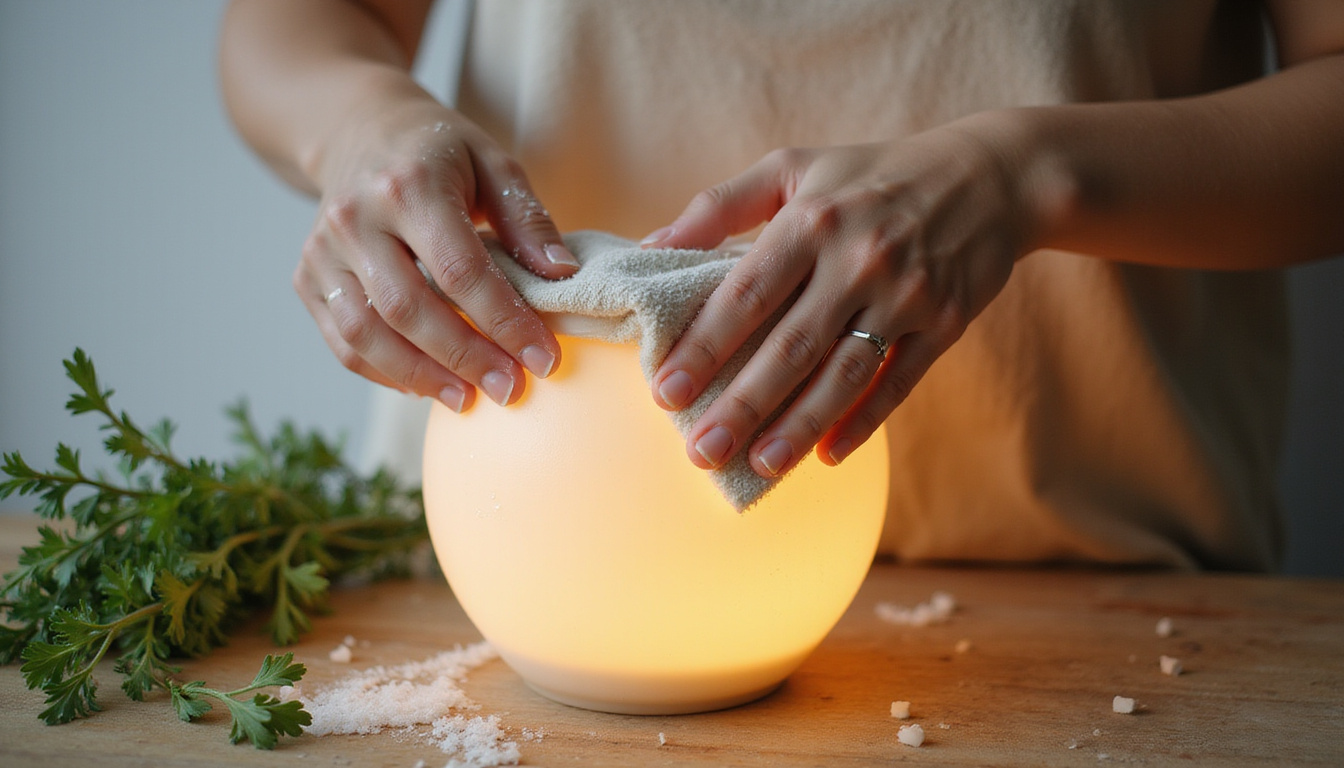
In a Prayer Corner or Home Altar
- Place the lamp in front of or slightly below icons, statues, or sacred art, not blocking them.
- Use a natural stone, wood board, or metal tray beneath to protect the surface and frame the space.
- Surround with a small number of meaningful objects: prayer books, rosary or komboskini, a small vase of flowers.
Balance is key: enough visual interest without clutter.
In the Living Room or Common Areas
- Pair your vigil lamp with low-level lighting such as a floor lamp or salt lamp for layered warmth.
- Place near framed art, but with several inches of clearance to avoid heat damage.
- For movie nights or quiet evenings, use the lamp as the main ambient light source for a cozy, contemplative feel.
At a Memorial or Remembrance Spot
- Position the vigil lamp near a framed photo, keepsake box, or simple floral arrangement.
- Choose subdued colors—clear, deep blue, amber, or frosted glass feel particularly calm.
- Keep it accessible so you can light it easily on special dates or during times of remembrance.
Seasonal or Festive Styling
Change the surroundings, not the lamp itself:
- Add greenery or branches (kept safely away from the flame).
- Use seasonal cloths or runners under the lamp.
- Add a single decorative accent—like a star ornament or small figurine—rather than many small items.
Safety Best Practices for Using a Vigil Lamp
A real flame always requires mindfulness. Keep these rules non-negotiable:
- Never leave an actively burning vigil lamp completely unattended.
- Keep out of reach of children and pets.
- Place at least 12 inches from curtains, books, paper, or decorations.
- Avoid placing directly under shelves or cabinets without adequate space.
- Extinguish the flame before moving the lamp or adding oil.
- Use proper indoor lamp oil or olive oil—no gasoline, alcohol, or improvised fuels.
Following these guidelines allows you to enjoy the beauty and meaning of your vigil lamp with peace of mind.
Troubleshooting Common Vigil Lamp Problems
If your vigil lamp isn’t behaving as it should, it’s usually easy to fix.
Flame Too High or Smoky
- Wick is likely too long: trim in small increments.
- Oil quality may be low: switch to a cleaner olive oil or high-quality lamp oil.
- Check for drafts that cause uneven burning.
Flame Too Small or Going Out
- Wick may be too short or not fully soaked.
- Oil level might be low; keep at least 1–2 cm above the wick base.
- If you’re using floating wicks, ensure they’re stable and not waterlogged.
Strong Odor
- Poor-quality or scented oils can smell when burned.
- Soot buildup on the glass or metal can overheat and smell; clean more frequently.
- Check for contaminants (dust, pieces of wick) floating in the oil.
Simple Vigil Lamp Care Checklist
To keep things straightforward, use this basic checklist:
- [ ] Place on a stable, heat-resistant, draft-free surface
- [ ] Fill with clean olive oil or lamp oil up to 2/3–3/4 full
- [ ] Soak and trim wick before first lighting
- [ ] Inspect weekly for soot, low oil, or wick issues
- [ ] Clean glass and trim wick every 1–2 weeks with regular use
- [ ] Deep clean and fully replace oil every 1–4 weeks, depending on use
- [ ] Always extinguish before refilling or moving
FAQ About Vigil Lamps
What oil is best for an Orthodox vigil lamp or devotional lamp?
For an Orthodox vigil lamp, pure olive oil is traditionally preferred. It burns with a warm, symbolic flame and, when paired with a properly trimmed cotton wick, produces minimal smoke. High-quality, unscented lamp oil is a secondary option if olive oil is unavailable or impractical.
How long can a vigil oil lamp safely burn?
A vigil oil lamp can burn for many hours as long as it’s kept on a stable, heat-proof surface with sufficient oil and wick. In many homes, people let a small vigil lamp burn through the evening and extinguish it before sleep. If you plan to let it burn longer, ensure all safety guidelines are met and that the lamp design is intended for extended use.
Can I use a hanging vigil candle lamp in a small apartment?
Yes, you can use a hanging vigil lamp in a small apartment if it’s anchored securely, hung away from curtains or shelves, and has enough vertical clearance. Choose a compact design, use clean-burning fuel, and make sure you can access it easily for lighting, extinguishing, and cleaning.
A well-chosen, well-cared-for vigil lamp can become one of the most meaningful elements in your home—quietly radiating light, beauty, and focus. Whether you’re building a prayer corner, creating a peaceful reading nook, or honoring a loved one, the right lamp transforms ordinary moments into something deeper.
If you’re ready to bring that gentle, steady flame into your life, start by choosing a vigil lamp that matches your space and purpose, gather quality oil and wicks, and set aside a few minutes each week for mindful care. With just a little attention, your vigil lamp will reward you with years of warmth, calm, and quiet beauty.
Sacred objects often carry deep cultural and spiritual meaning. Learn how these symbols relate to history, spirituality, and the human mind by exploring more articles at SpiritualMindScience.com.