Nandina is one of those rare landscape plants that delivers multi-season color, thrives on neglect, and works in everything from foundation beds to containers. Often called “heavenly bamboo” (though it’s not a bamboo at all), nandina offers lacy foliage, white spring flowers, red fall berries, and striking winter color—all on a compact, easy-care shrub.
Below, you’ll find practical nandina care secrets that focus on real-world success: how to plant, water, feed, prune, and use nandina smartly in your landscape while avoiding common pitfalls.
What Makes Nandina So Special?
Nandina domestica is an evergreen to semi-evergreen shrub native to Asia. It’s prized for:
- Fine, lacy foliage that emerges bronze or red, then matures to green.
- Year-round color: spring flowers, summer foliage, fall foliage and berries, and winter stems.
- High adaptability: tolerates heat, some drought, and a range of soils.
- Low maintenance: once established, nandina needs minimal care.
Most nandina varieties stay between 2–8 feet tall, with upright, cane-like stems and airy foliage that looks great as a specimen, hedge, or mixed into perennial borders.
Best Growing Conditions for Nandina
Getting the site right is the biggest “secret” to long-term nandina success.
Sunlight Requirements
Nandina handles a range of light levels:
- Full sun (6+ hours): Best for strong leaf color and maximum berry production.
- Partial shade (3–5 hours or dappled light): Still grows well, but foliage may be more green and fewer berries.
- Full shade: Survives in many climates, but becomes lanky, sparse, and less colorful.
If you want vivid red fall and winter foliage, aim for at least half a day of sun.
Soil and Drainage
Nandina is not picky about soil, but it does have one non-negotiable: good drainage.
Ideal soil conditions:
- Texture: loam or sandy loam; it will tolerate clay if drainage is improved.
- pH: slightly acidic to neutral (about 6.0–7.0), though it’s fairly adaptable.
- Moisture: moist but not waterlogged.
If you have heavy clay, amend the planting area with compost and/or plant on a slight mound to prevent soggy roots.
How to Plant Nandina the Right Way
Proper planting sets your shrub up for long-term low maintenance.
When to Plant
- Best time: Early spring or early fall, when temperatures are moderate.
- Warm climates (Zones 8–10): Fall planting helps roots establish before summer heat.
- Cold climates (Zones 6–7): Spring planting is generally safer.
Step-by-Step Planting Guide
-
Choose your spot
Full sun to partial shade, away from spots that stay waterlogged after rain. -
Dig the hole
- Twice as wide as the root ball.
- Just as deep—or slightly shallower—than the root ball height so the crown isn’t buried.
-
Prepare the soil
Mix native soil with 25–30% compost to improve structure and fertility if needed. -
Loosen the roots
Gently tease apart any circling roots from container-grown nandina to encourage outward growth. -
Set the plant
- Place it in the hole so the top of the root ball is level with or just above the surrounding soil.
- Rotate the shrub so its best side faces your main viewing angle.
-
Backfill and firm
Fill the hole halfway, firm lightly, water to settle, then finish filling and firm again. -
Water deeply
Give a slow, thorough soak right after planting. -
Mulch
Apply 2–3 inches of mulch around the base, keeping it a couple of inches away from the stems.
Watering: How Much Does Nandina Need?
Once established, nandina is fairly drought-tolerant, but it needs consistent moisture until its roots spread.
Watering Schedule
-
Newly planted (first 1–2 months):
Water 1–2 times per week, depending on rainfall and temperature. The top 6–8 inches of soil should stay slightly moist, not soggy. -
Establishing phase (months 3–12):
Deeply water every 7–10 days in the absence of rain. -
Established plants (after year 1):
In most climates, nandina only needs supplemental water during extended dry or hot spells—about every 10–14 days if no rain.
Signs of Water Stress
- Underwatering: Drooping, dry, or crispy leaf tips, premature leaf drop.
- Overwatering: Yellowing leaves, soft stems, or persistent wet soil.
Use your fingers or a moisture meter to check soil moisture before watering.
Fertilizing Nandina: How Much Is Enough?
Nandina is not a heavy feeder. Over-fertilizing can encourage weak, overly lush growth that is more susceptible to cold damage.
Simple Fertilizer Plan
-
Once a year in early spring:
Apply a balanced, slow-release fertilizer (for example, 10-10-10 or 12-4-8) following label instructions. -
Optional light feeding in midsummer:
Only in very poor soils or if growth seems weak. -
Organic approach:
- Top-dress yearly with 1–2 inches of compost around the root zone.
- This feeds slowly and improves soil without risking fertilizer burn.
Avoid high-nitrogen lawn fertilizers drifting into nandina beds; they can push excessive leafy growth.
Pruning Nandina for Shape, Color, and Health
Pruning is where many gardeners either do too much or too little. The good news: nandina is very forgiving.
When to Prune
- Late winter to early spring is ideal, just before new growth starts.
- Light touch-ups (removing wayward stems or dead growth) can be done any time.
How to Prune Nandina
Instead of shearing the top, use selective cane removal:
- Identify the tallest, oldest stems (often thicker and more woody).
- Cut 1/3 of these canes down to 4–8 inches above the ground.
- The shrub will push fresh, dense growth from the base, maintaining a natural, full shape.
Every 2–3 years, repeat this renewal pruning to keep nandina compact and vibrant. Remove dead, damaged, or crossing stems whenever you see them.
Controlling Height and Spread
Compact varieties often need minimal pruning. Taller, older types can be kept in check by:
- Removing the tallest canes yearly.
- Thinning out the center to prevent crowding and improve airflow.
Avoid “meatball” shearing; nandina looks best with a graceful, natural form.
Nandina Varieties Worth Knowing
There are many nandina cultivars, including dwarf and berryless forms. Some popular choices:
- ‘Firepower’ – Compact (2–3 ft), brilliant red fall and winter foliage, great for borders and containers.
- ‘Gulf Stream’ – Upright, dense, 3–4 ft tall, with colorful new growth and good cold tolerance.
- ‘Obsession’ – Intense red new growth, stays dense and bushy, perfect for hedges.
- ‘Harbor Dwarf’ – Low-growing, spreading, useful as a groundcover in mild climates.
- Sterile or berryless varieties – Increasingly recommended where nandina berries pose an ecological concern.
Choose a cultivar that fits your available space and design goals to minimize pruning and maintenance.
Using Nandina Wisely: Design, Wildlife, and Safety
Nandina has huge landscape value, but you should be aware of a few important considerations.
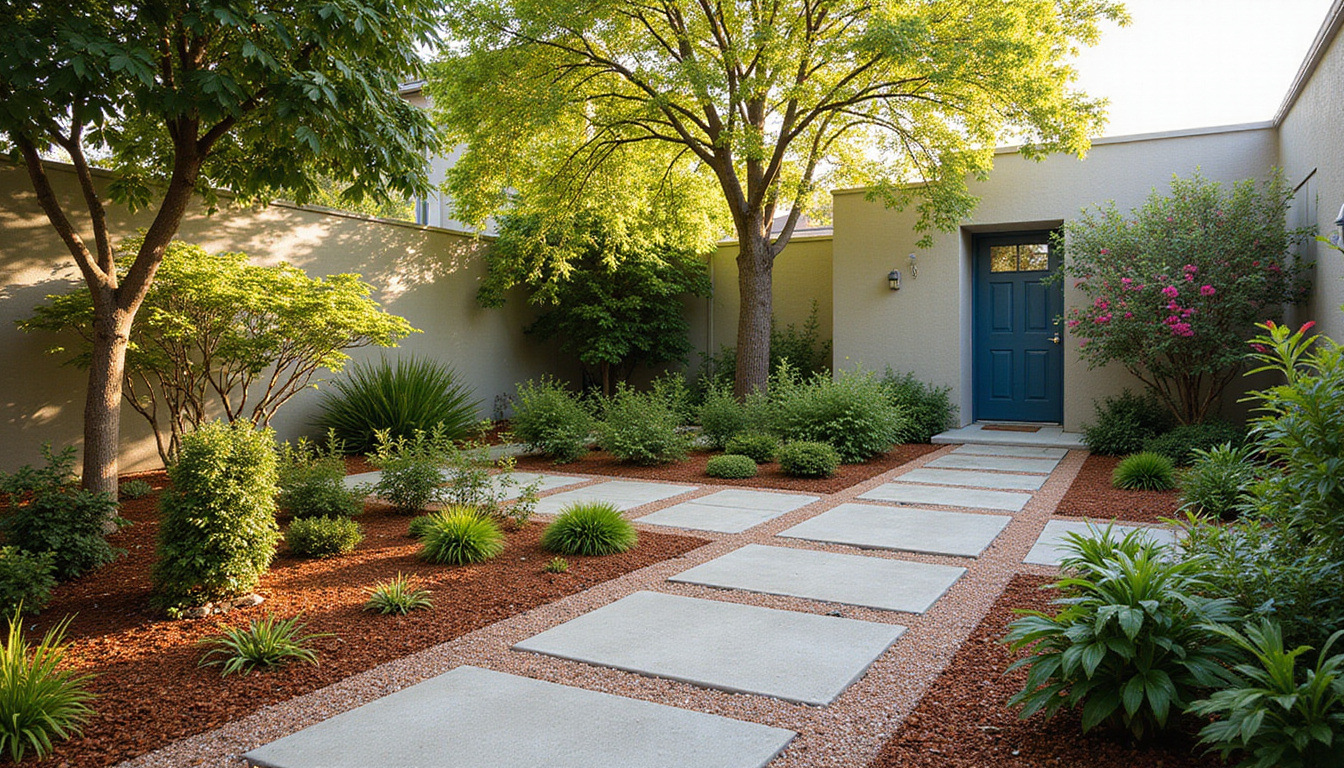
Landscape and Design Uses
Nandina is extremely versatile:
- Low hedges along walks and driveways
- Foundation plantings in front of porches and windows
- Accent plants in mixed shrub borders
- Mass plantings for fall/winter color
- Container plantings (especially dwarf varieties)
Its fine texture pairs well with broad-leaved shrubs and perennials like hydrangeas, hostas, loropetalum, and ornamental grasses.
Invasiveness Considerations
In some regions (especially parts of the southeastern United States), nandina has naturalized and is considered invasive, largely because of its prolific seeding and bird-dispersed berries. Check your local extension service or invasive species list to see if traditional nandina is a concern in your area (for example, USDA and state invasive species councils provide guidance (source: USDA Plants Database)).
To be a responsible gardener:
- Prefer sterile or low-fruit cultivars, particularly if you live in a region where nandina is known to spread.
- Deadhead or cut off berry clusters before birds eat them if you grow seeding types.
Toxicity to Pets and Wildlife
Nandina berries contain cyanogenic glycosides and have been associated with bird poisoning when consumed in large quantities. They are also considered toxic to pets if ingested in significant amounts.
Practical tips:
- Don’t plant heavy-fruiting varieties next to poultry runs or bird feeding stations.
- Teach children not to eat the berries.
- Contact a vet if you suspect a pet has eaten a large quantity of berries or foliage.
Troubleshooting: Common Nandina Problems
Nandina is generally tough and low-maintenance, but a few issues can crop up.
Foliage Turning Red or Purple “Out of Season”
- Cool temperatures, drought, or nutrient deficiency can all shift foliage color.
- In many cases, this is normal seasonal color change.
- If leaves are also wilting or dropping, check water and soil conditions.
Yellow Leaves
Possible causes:
- Overwatering and poor drainage.
- Root damage from recent planting or construction.
- Nutrient issues (rare with nandina unless soil is very poor).
Adjust watering first; if the problem persists, consider a soil test.
Sparse or Leggy Growth
- Usually due to too much shade or lack of pruning.
- Move to a sunnier spot (if feasible) or gradually rejuvenate by cutting back older canes over 1–2 seasons.
Quick Care Checklist for Nandina
Use this as a handy reference:
- Light: Full sun to partial shade; more sun = better color.
- Soil: Well-draining; amend heavy clay.
- Water: Regular moisture first year; then water deeply during dry spells.
- Fertilizer: Light annual feeding in early spring, or compost top-dress.
- Pruning: Late winter; remove oldest canes to base for renewal.
- Spacing: Follow variety size recommendations to avoid crowding.
- Safety: Consider sterile varieties and keep berries away from pets and poultry.
FAQ About Nandina Shrubs
Q1: How big does a nandina bush get, and how fast does it grow?
Most nandina grow at a moderate rate, adding 6–12 inches per year once established. Traditional nandina domestica can reach 6–8 feet tall, while dwarf cultivars like ‘Firepower’ stay around 2–3 feet. Check the specific mature size on the plant tag and space accordingly.
Q2: Can nandina grow in pots or containers?
Yes, dwarf nandina varieties are excellent container plants. Use a high-quality, well-draining potting mix and a container with drainage holes. Water more frequently than in-ground plants, and feed lightly in spring. In colder climates, protect the pot in winter or move it to a sheltered spot.
Q3: Is heavenly bamboo the same as nandina, and is it invasive?
“Heavenly bamboo” is a common name for nandina domestica. In some warm regions, seeding varieties are considered invasive because birds spread the berries. To minimize risk, choose non-fruiting or sterile nandina cultivars, remove berry clusters, and follow local recommendations on invasive plants.
A well-placed nandina can become a four-season star that asks for very little in return. By choosing the right variety, siting it properly, and following a light-touch approach to water, fertilizer, and pruning, you’ll enjoy graceful form, rich foliage color, and (when appropriate) ornamental berries with minimal effort.
If you’re ready to refresh your landscape with reliable, low-maintenance color, start by picking one nandina variety that fits your space and planting it this season. With just an afternoon of work and a bit of early care, you’ll have a vibrant, easy-care shrub that rewards you year after year.
Throughout history, many plants and herbs have been associated with luck, protection, and prosperity. To explore their deeper spiritual, psychological, and scientific significance, visit SpiritualMindScience.com.