Animal Worship: Exploring Ancient Rituals, Symbolism, and Cultural Impact
Animal worship has shaped religions, rituals, and social values for thousands of years. From the sacred bulls of Mesopotamia to the revered cows of India, humans have consistently looked to animals as symbols of power, divinity, protection, and identity. Understanding animal worship reveals not only how past societies saw the natural world, but also how their beliefs still echo through modern cultures.
In this article, we’ll explore how animal worship emerged, the rituals it inspired, the symbolism behind specific creatures, and its lasting cultural impact across civilizations.
What Is Animal Worship?
Animal worship is the religious or spiritual veneration of animals, whether as deities themselves, sacred symbols of gods, or powerful spiritual beings. It can take many forms:
- Treating certain animals as incarnations or messengers of gods
- Honoring animal spirits through offerings, prayers, or festivals
- Protecting specific species as sacred and untouchable
- Using animal symbolism in temples, art, and storytelling
Importantly, animal worship does not always mean people literally believed an animal was a god. Often, the animal served as a visible, living representation of a divine force, such as strength, fertility, wisdom, or protection.
Ancient Origins: Why Did Humans Worship Animals?
To early human societies, animals were central to survival and imagination. They provided food, clothing, labor, and even threats. It’s no surprise they came to embody supernatural forces.
Several factors helped give rise to animal worship:
-
Dependence on Nature
Hunter-gatherers and early farmers relied heavily on animals. Their lives were tightly bound to seasonal migrations, herds, and predators. Rituals honoring animal spirits were a way to secure success in hunting, protect livestock, and maintain balance with the natural world. -
Observation of Animal Behavior
Animals often appeared to possess traits humans admired or feared:- Lions and eagles as symbols of strength and power
- Snakes as symbols of rebirth (shedding skin) or danger (venom)
- Cows and bulls as symbols of fertility and abundance
These traits made animals natural candidates to represent unseen divine forces.
-
Myth-making and Storytelling
Myths helped early societies explain the cosmos. Animals became characters in creation stories, guardians of the underworld, or companions of gods. Over generations, these stories formalized into religious systems where animal worship was a core element. -
Totemism and Group Identity
In many cultures, clans or tribes identified with a specific animal—its “totem.” The totem animal served as a spiritual ancestor, protector, or symbol of group identity. This form of animal worship reinforced social cohesion and cultural boundaries.
Anthropologists and historians have documented such practices globally, from the totemic systems of Indigenous Australians and Native American nations to the animal deities of Egypt and Mesopotamia (source: Encyclopaedia Britannica).
Animal Worship in Ancient Civilizations
1. Egypt: A Complex Pantheon of Animal Deities
Ancient Egypt is one of the most famous examples of animal worship. Many Egyptian gods were either depicted as animals or as human figures with animal heads:
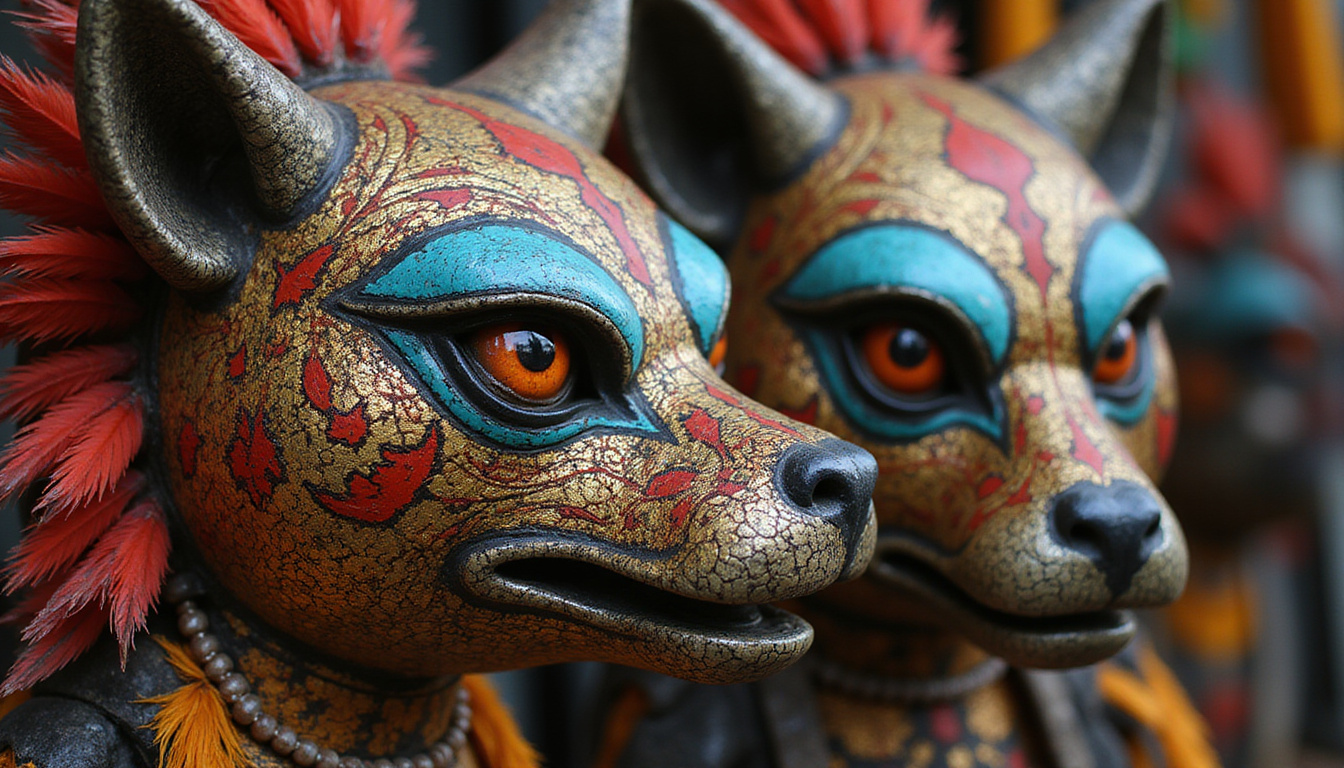
- Anubis – jackal-headed god of mummification and the afterlife
- Horus – falcon-headed sky god, symbol of kingship and protection
- Bastet – cat-headed goddess of home, fertility, and protection
- Sobek – crocodile god associated with the Nile and military power
Cats, in particular, were revered. They protected grain from rodents and became symbols of protection and grace. Killing a cat, even accidentally, could be seen as a serious offense. Temples kept sacred animals, and elaborate burials—including animal mummies—show how deeply animal worship was woven into Egyptian religious life.
2. Mesopotamia and the Near East: Bulls, Lions, and Hybrid Guardians
In ancient Mesopotamia, powerful animals were linked to royal authority and divine protection:
- Bulls symbolized virility, agriculture, and kingship. Sacred bulls appeared in myths and temple art.
- Lions were associated with goddesses like Ishtar/Inanna, symbolizing war, love, and power.
- Hybrid creatures, like the human-headed winged bull (lamassu), guarded palaces and temples, blending human intelligence with animal strength.
Though full animal deities were less common than in Egypt, animal worship here centered on symbolic roles—guardianship, rulership, and cosmic order.
3. India: Sacred Animals in Hinduism
In Hinduism, animal worship continues in living religious practice:
- Cows are among the most revered animals, symbolizing non-violence, motherhood, and abundance. They are associated with deities like Krishna and are often protected and fed in many regions.
- Monkeys are connected to Hanuman, the monkey god of strength, loyalty, and devotion. Temples dedicated to Hanuman may shelter large monkey populations.
- Snakes (Nāgas) are semi-divine beings associated with water, fertility, and protection. Nag Panchami is a festival where serpents are honored.
- Elephants are linked to Ganesha, the remover of obstacles, and symbolize wisdom and good fortune.
Here, animal worship does not exist in isolation; it is integrated into a broader theological system where animals are vehicles (vāhanas), companions, or embodiments of divine qualities.
4. Greece and Rome: Sacred Animals and Divine Associations
Ancient Greek and Roman religions did not typically treat animals as full gods, but animal worship was present through association:
- Zeus was linked with the eagle and the bull.
- Athena with the owl, symbolizing wisdom.
- Artemis with deer and wild animals, reflecting her role as goddess of the hunt.
- Apollo with dolphins and ravens.
Sacrificial rituals, omens, and oracles often relied on animals. Augurs interpreted the behavior of birds to discern the will of the gods, showing how animals functioned as divine messengers.
Rituals and Practices of Animal Worship
Forms of animal worship varied widely, but some recurring patterns appear across cultures:
-
Offerings and Sacrifices
People offered food, flowers, incense, or in some traditions, other animals, to honor sacred creatures or the gods they represented. While animal sacrifice was common in many ancient religions, other cultures emphasized feeding or caring for animals instead. -
Sacred Enclosures and Temples
Certain animals lived in temple complexes as divine representatives. Priests cared for these sacred creatures and conducted rituals on their behalf. -
Festivals and Processions
Communities celebrated animals through public festivals. Sacred animals were paraded, adorned with garlands, or featured in dances, music, and storytelling. -
Taboos and Protections
Some species could not be killed, eaten, or harmed. These taboos were both religious rules and early forms of species protection. -
Burial and Mummification
In Egypt and elsewhere, animals were buried with ritual care—sometimes mummified, sometimes placed in special cemeteries—reflecting beliefs in their spiritual significance and afterlife roles.
Symbolism: What Animals Represented
Animal worship was never random; specific animals carried symbolic meanings that shaped how they were revered.
- Strength and Power – Lions, bulls, eagles
- Fertility and Abundance – Cows, pigs, fish, rabbits
- Wisdom and Knowledge – Owls, snakes, ravens
- Protection and Guardianship – Dogs, crocodiles, hybrid beasts
- Transformation and Rebirth – Snakes (shedding skin), butterflies, frogs
- Mystery and the Underworld – Cats, bats, wolves in some cultures
These symbolic meanings often overlapped with practical experience—e.g., strong animals used in farming embodied prosperity; nocturnal animals became linked with mystery or the supernatural.
Cultural Impact of Animal Worship
Shaping Social and Moral Values
Animal worship often reinforced societal norms and ethics:
-
Non-violence and Reverence for Life
In traditions where animals were sacred, people were encouraged to show restraint, compassion, or ritual respect. For example, the reverence for cows in parts of India forms part of a broader ethic of ahimsa (non-harm). -
Hierarchy and Authority
Kings and leaders sometimes associated themselves with sacred animals to legitimize power. Pharaohs linked themselves to Horus the falcon; emblems like lions or eagles on royal seals and flags signaled divine sanction.
Influence on Law and Custom
Religious rules surrounding animal worship could become law:
- Dietary restrictions (e.g., avoiding certain sacred animals)
- Bans on killing or trading particular species
- Ritual requirements for handling, herding, or sacrificing animals
These laws had economic and environmental consequences—sometimes protecting species, other times driving rituals like mass sacrifice.
Art, Architecture, and Literature
Animal worship left a profound artistic legacy:
- Temples adorned with sacred animal carvings and statues
- Myths and epics centered on animal companions or adversaries
- National and regional symbols (like the Garuda in Southeast Asia, or dragons in East Asia) rooted in older cults and beliefs
Even in secular contexts today, sports teams, brands, and national flags borrow from animal symbolism that traces back to religious reverence.
Is Animal Worship Still Practiced Today?
While large polytheistic systems of animal gods are less common in many parts of the world, forms of animal worship continue:
- Ongoing veneration of cows, snakes, monkeys, and elephants in South Asia
- Shinto practices in Japan that honor fox spirits (kitsune) and other creatures as messengers of kami (spirits)
- Totemic and ceremonial animal traditions among Indigenous peoples in the Americas, Africa, and Oceania
- Neo-pagan and spiritual movements that work with “spirit animals” or animal guides
Additionally, modern animal rights and conservation movements, though secular, can reflect a similar deep respect for animals as beings with intrinsic value, echoing older religious attitudes in a new ethical framework.
Common Misunderstandings About Animal Worship
-
“They believed animals were literally gods in every case.”
Often, animals were symbols, avatars, or companions, not standalone gods. -
“Animal worship was primitive or irrational.”
These systems were sophisticated, tied to ecology, social order, and philosophical ideas about life, death, and the cosmos. -
“Monotheistic religions rejected animal worship entirely.”
While many monotheistic traditions criticized direct animal veneration, symbolic use of animals (like the dove, lamb, or lion) remained powerful and enduring.
FAQ: Animal Worship, Animal Deities, and Sacred Animals
1. What is animal worship in religion?
Animal worship in religion is the practice of treating animals as sacred—either as deities, embodiments of gods, or spiritually powerful beings. It can involve rituals like offerings, processions, taboos against killing certain species, and incorporating animal figures into myths and temple art.
2. Why were animal deities so common in ancient cultures?
Animal deities were common because animals were central to daily life and symbolized important forces—fertility, war, wisdom, protection, and the afterlife. People used animal forms to make abstract divine powers more understandable and visible, turning complex ideas into tangible images.
3. Are there still sacred animals and forms of animal veneration today?
Yes. Sacred animals and animal veneration remain active in many cultures, especially in Hinduism, Indigenous traditions, and folk practices worldwide. Cows, elephants, snakes, and monkeys, among others, continue to be honored through festivals, temple rituals, and everyday customs.
Conclusion: Why Animal Worship Still Matters
Studying animal worship is more than an exploration of exotic rituals; it’s a window into how humans understand their place in the natural world. Our ancestors saw animals not just as resources or threats, but as partners, teachers, and symbols of the divine. Their beliefs guided laws, inspired art, shaped ethics, and still influence modern societies.
If you’re fascinated by the intersection of religion, culture, and nature, consider diving deeper into specific traditions—Egyptian animal cults, Hindu sacred animals, or Indigenous totemic systems. These stories can enrich your understanding of both history and contemporary spiritual life.
Explore more, read widely, and let the legacy of animal worship challenge how you see the animals around you today—not just as creatures, but as enduring symbols in humanity’s long search for meaning.
Animals have inspired symbols and beliefs across cultures for centuries. Discover how these traditions connect with psychology, spirituality, and human consciousness at SpiritualMindScience.com.